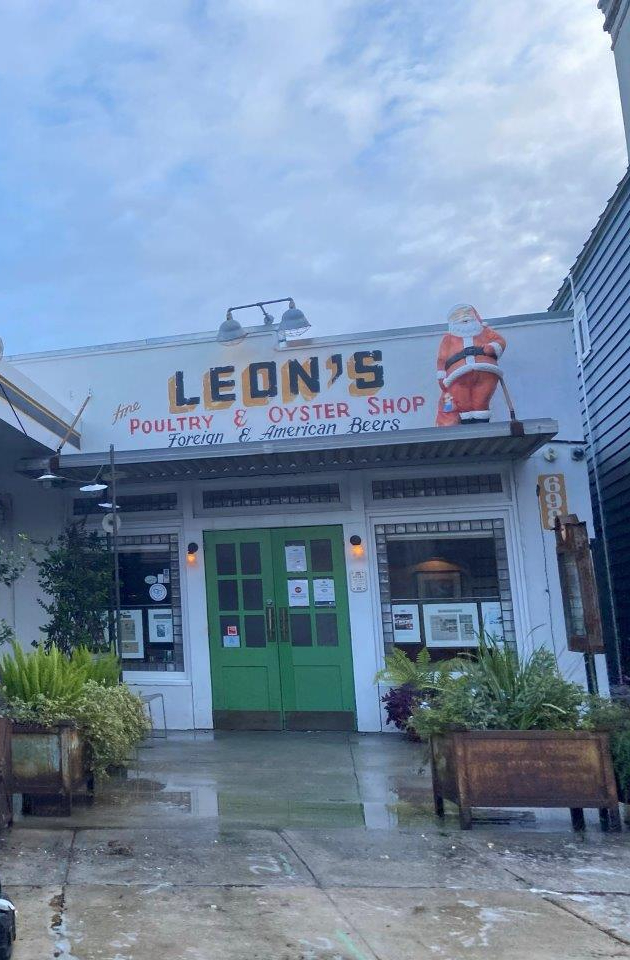
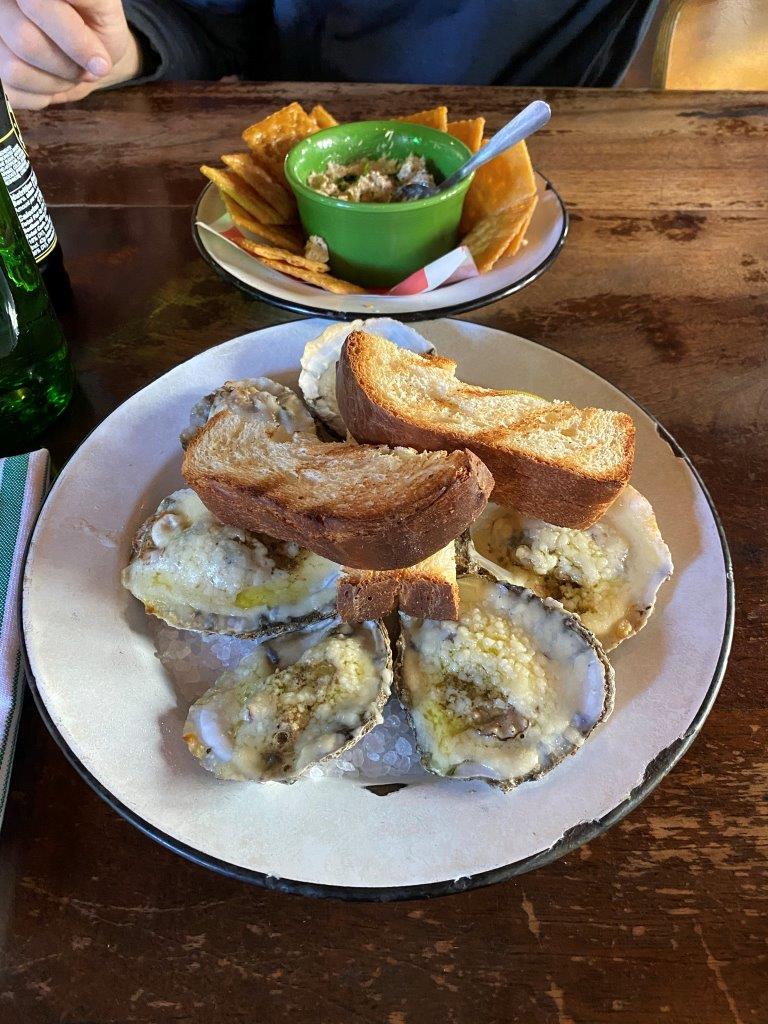
We flew out of Nashville on Saturday and arrived in Charleston that afternoon. After picking up our red Toyota Camry from Avis car rental, we decided to grab a late lunch / afternoon snack at Leon’s Oyster Shop. We ate their world famous char-grilled oysters and the smoked mahi dip. Neither of us had ever tried oysters before and these were quite good.
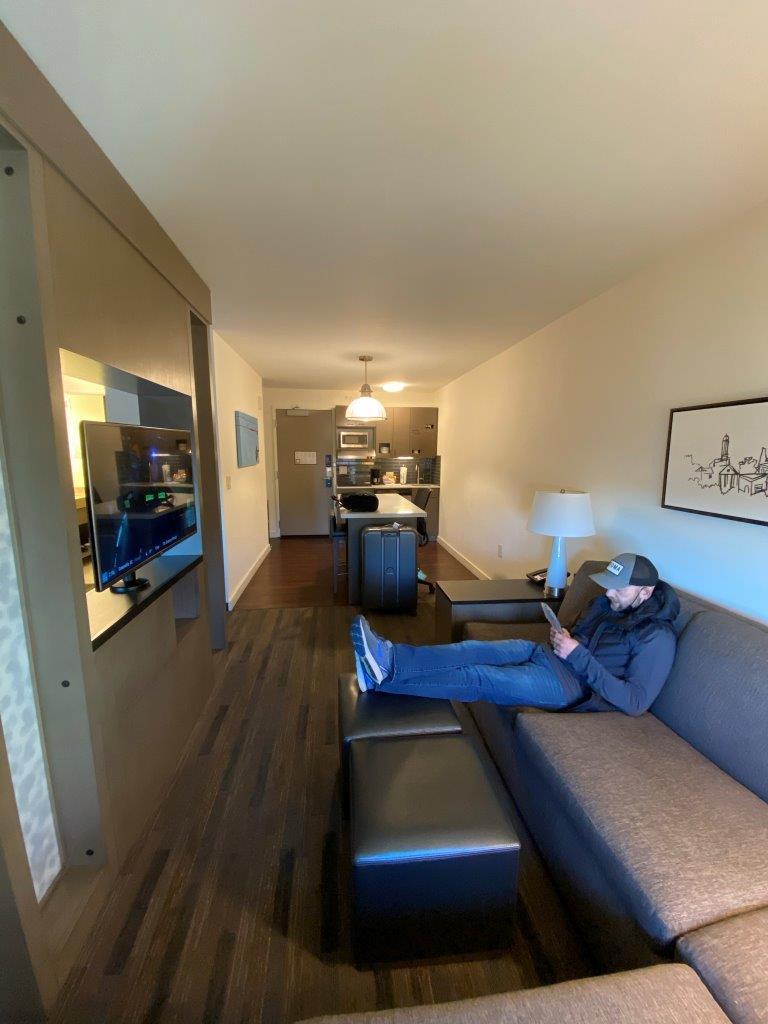
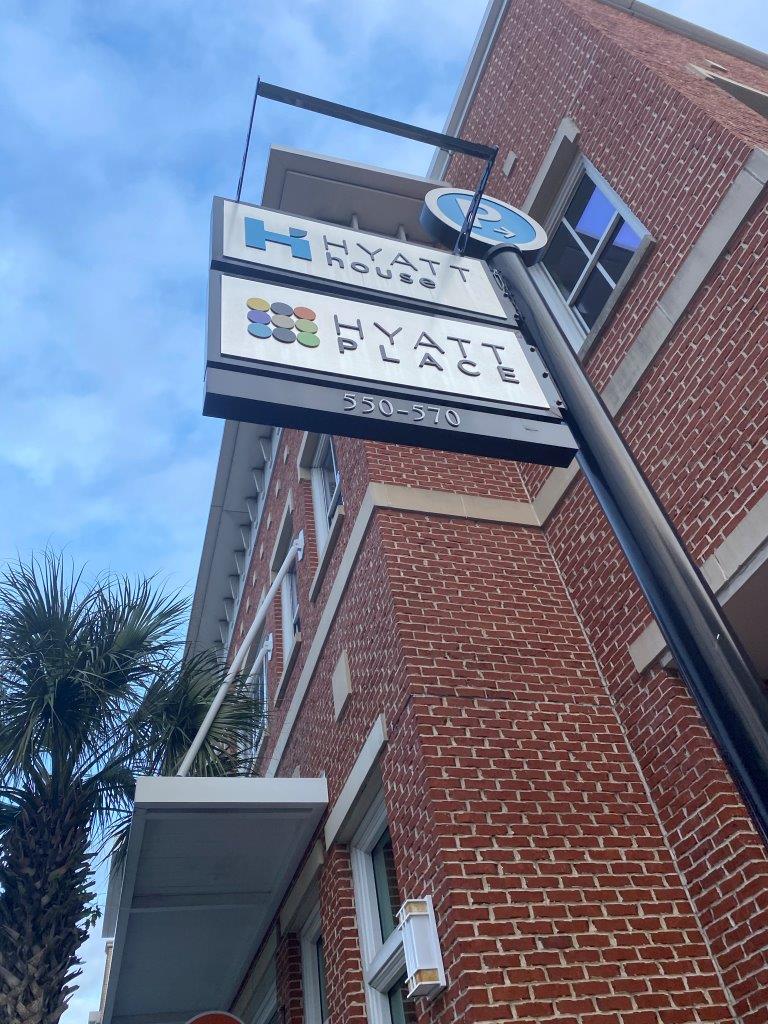
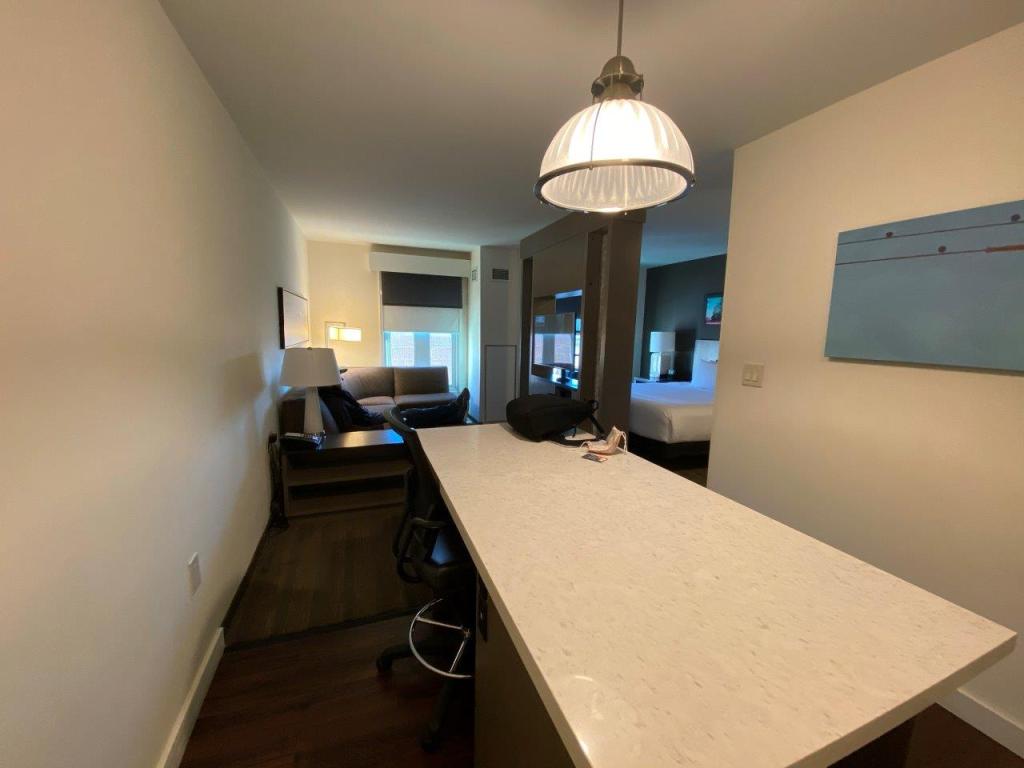
We checked into our room at the Hyatt House which was located at the north end of King Street in the Historic District.
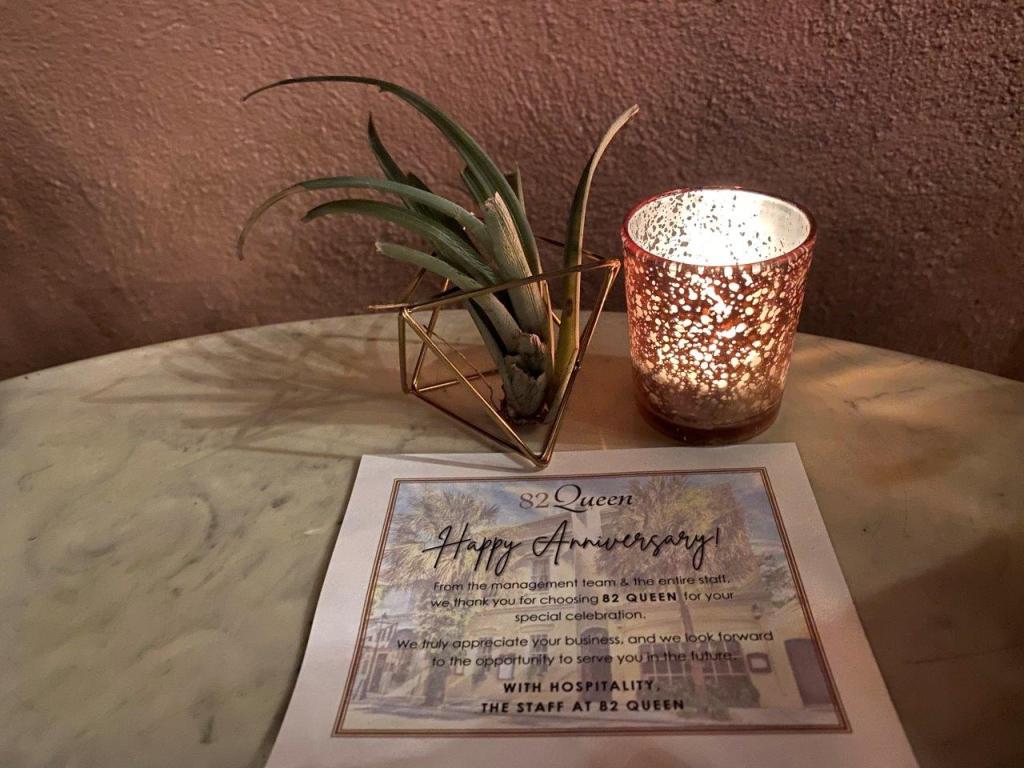
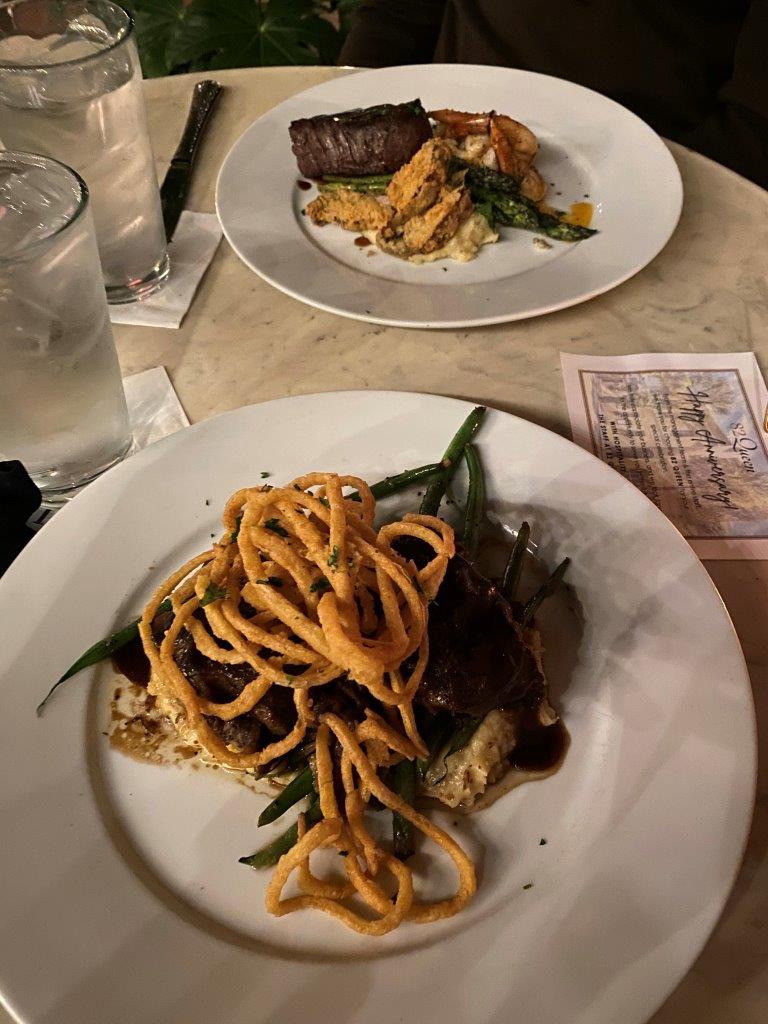
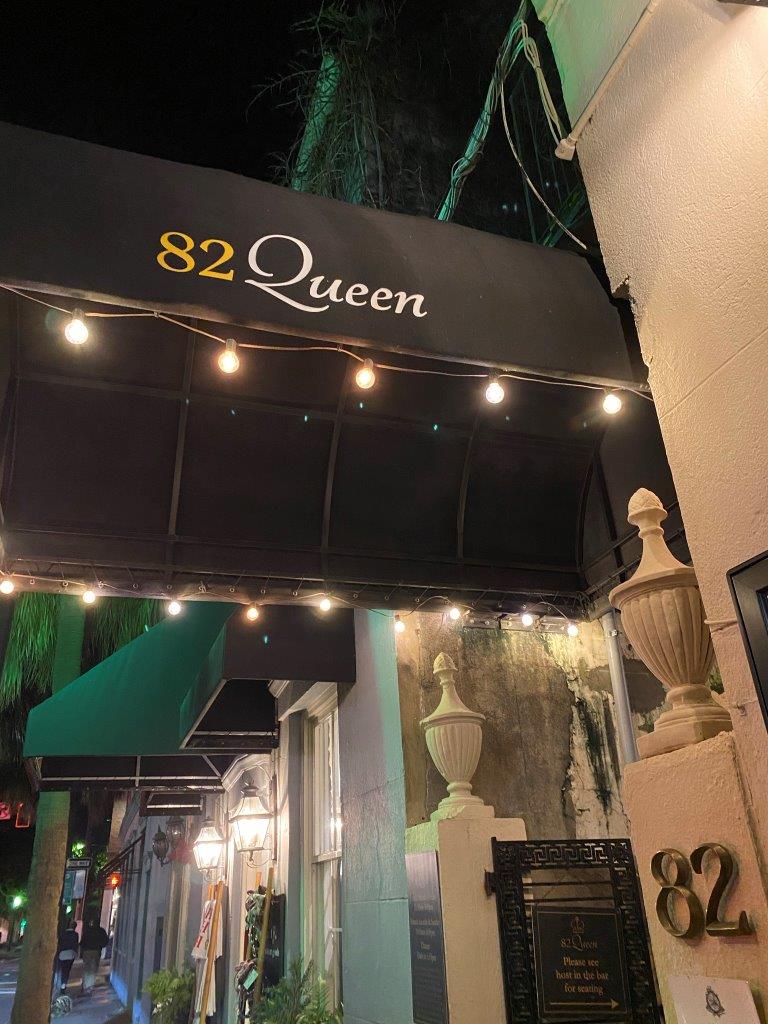
For dinner Saturday night, we had reservations at 82 Queen. We both had the she crab soup. Jonathan had the filet and shrimp, and I had the braised beef short rib. Everything was delicious!
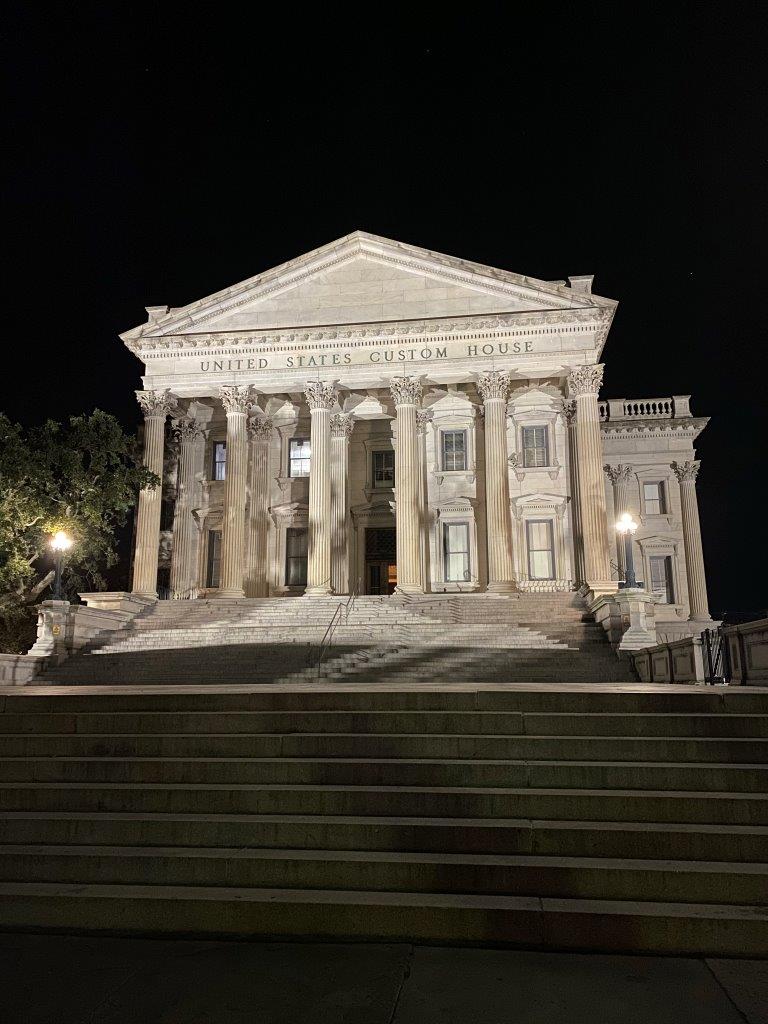
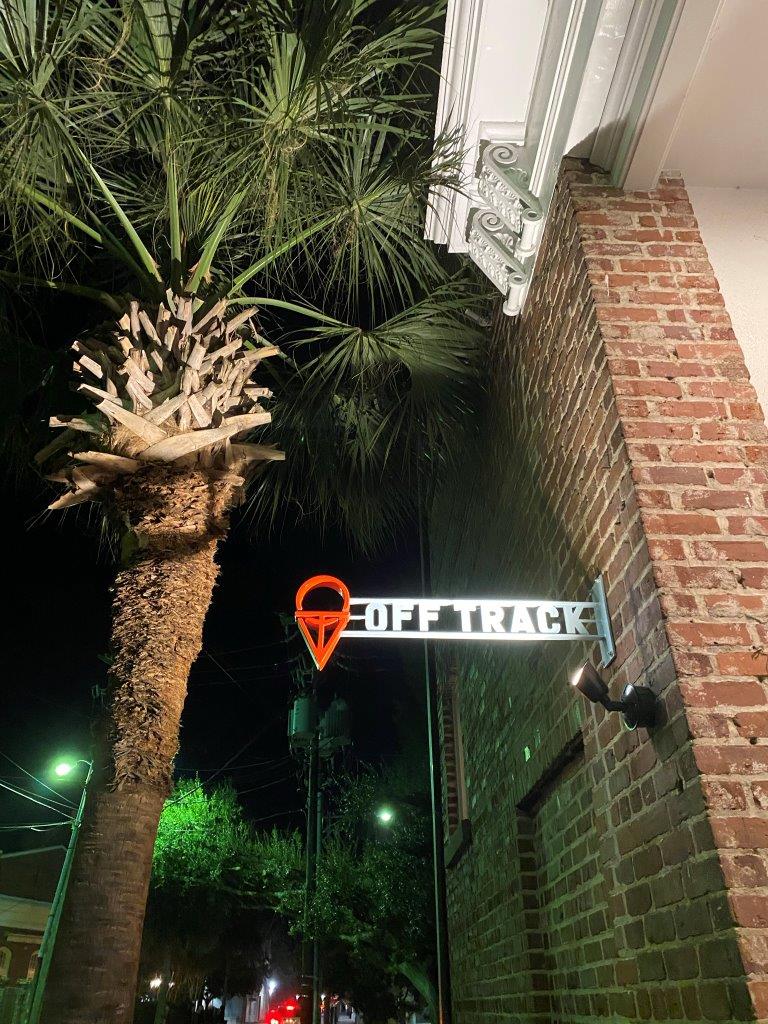
Later that evening we went on a ghost tour with Bulldog Tours. Unfortunately, the original ghost tour I had booked with another company (which had fantastic reviews) was cancelled and the one we ended up going on was rather disappointing. However, it was nice to see the city at night and we ended the evening with an a 4 flavor ice cream sampler tray at Off Track.
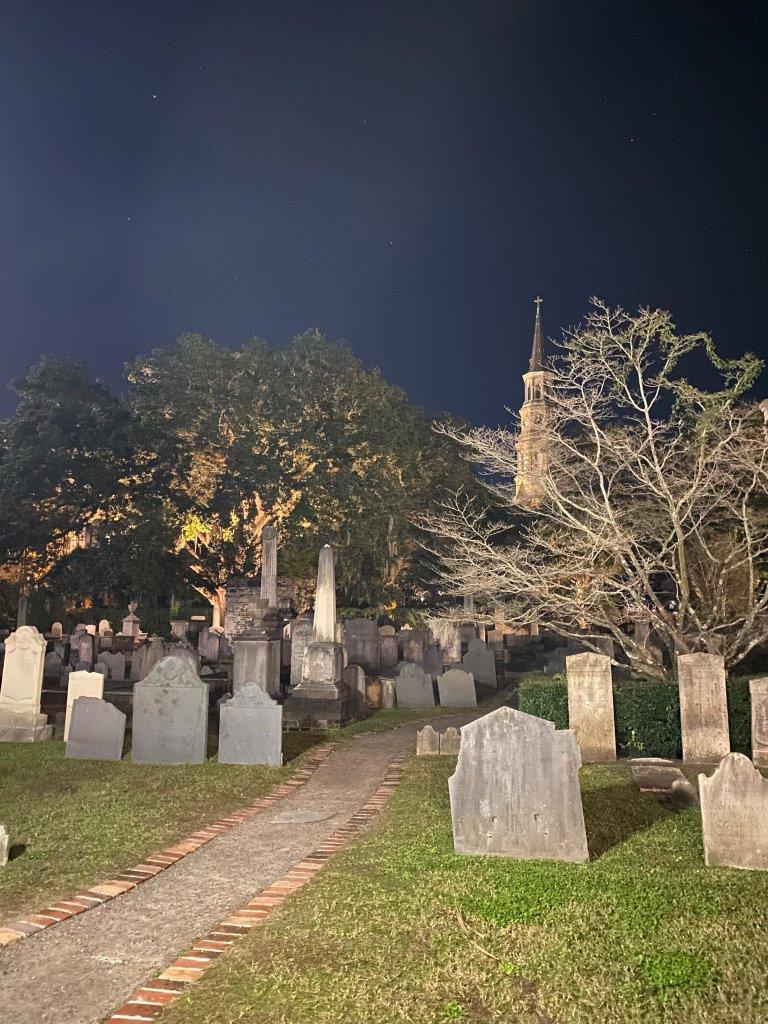
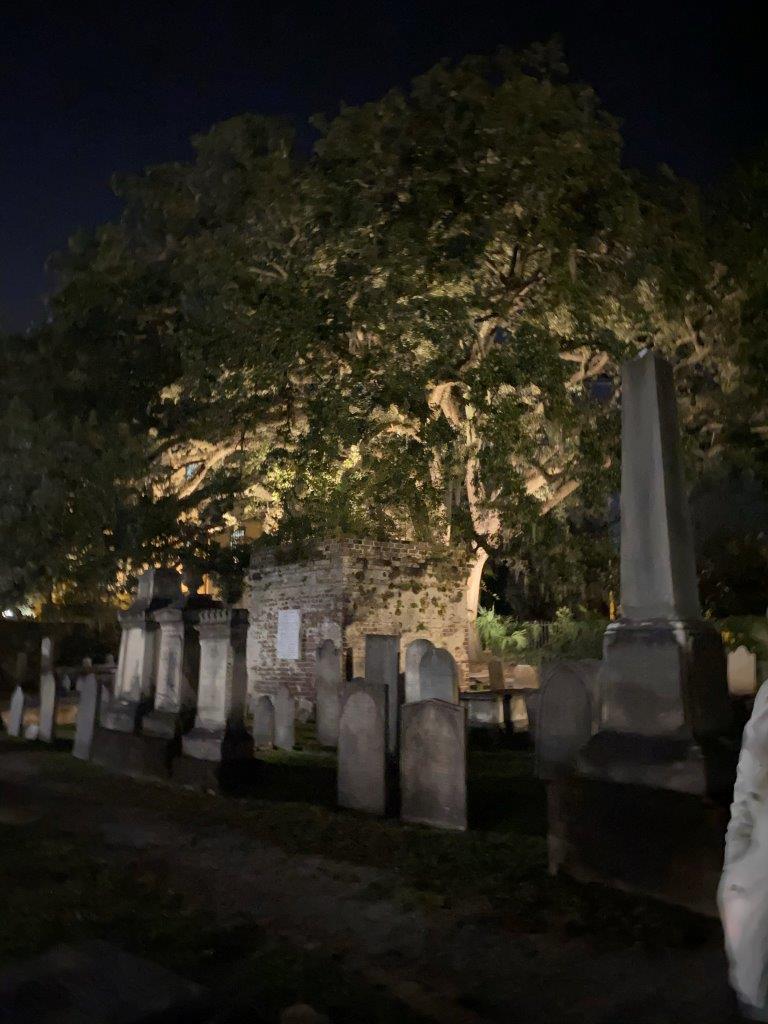
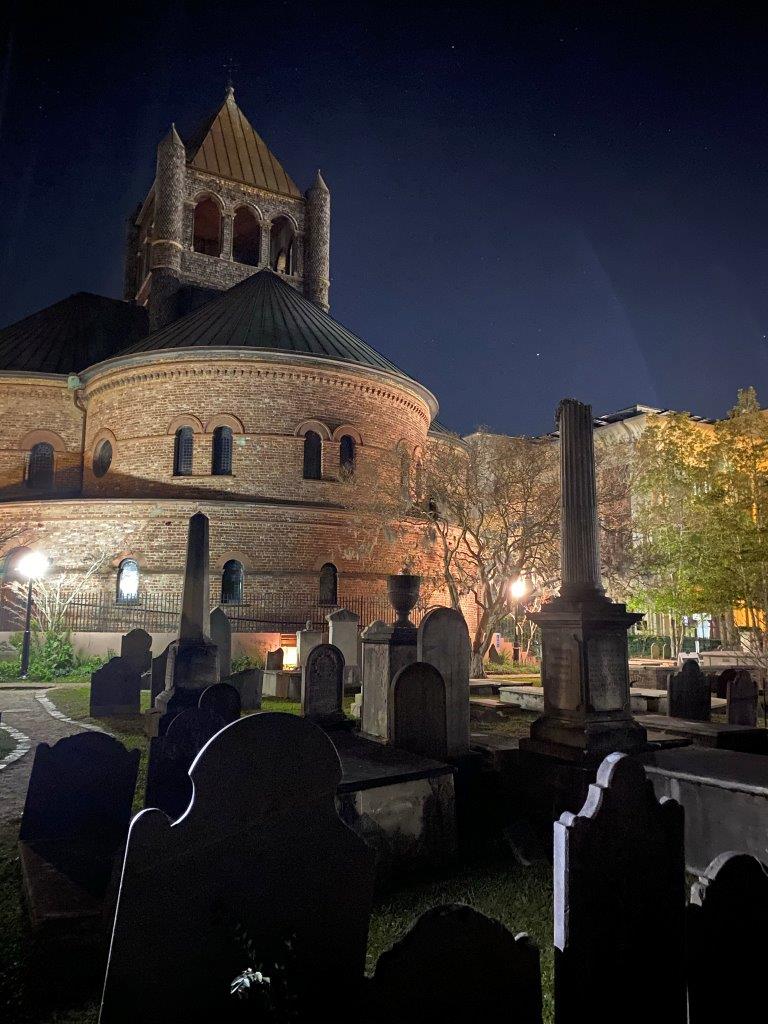
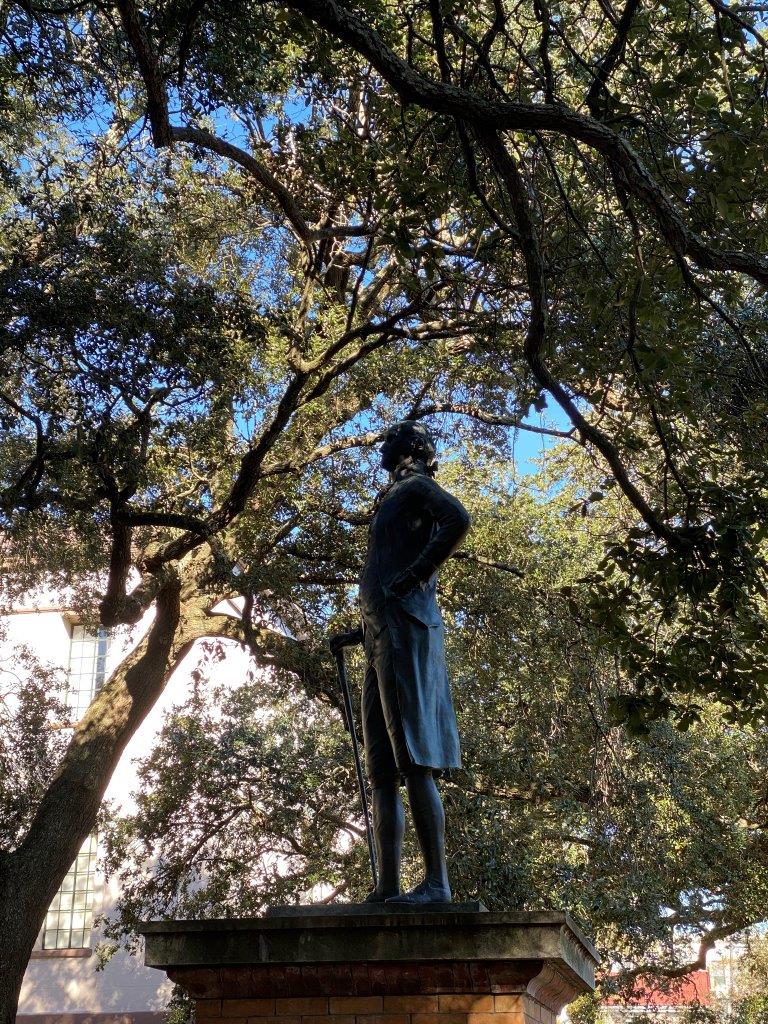
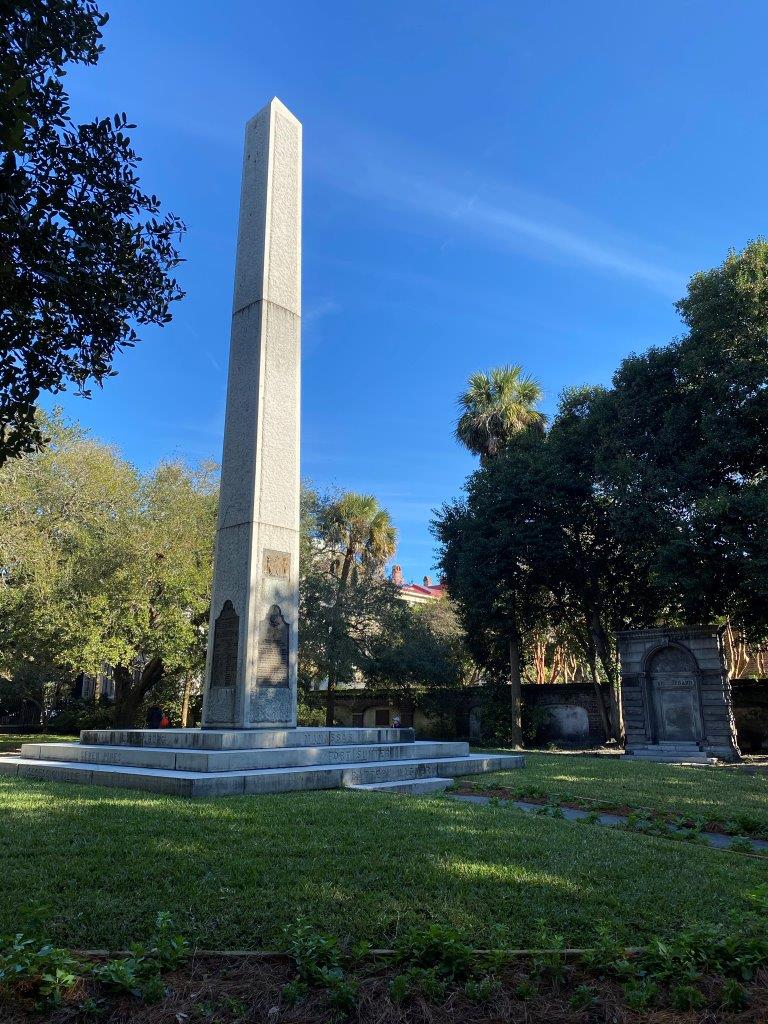
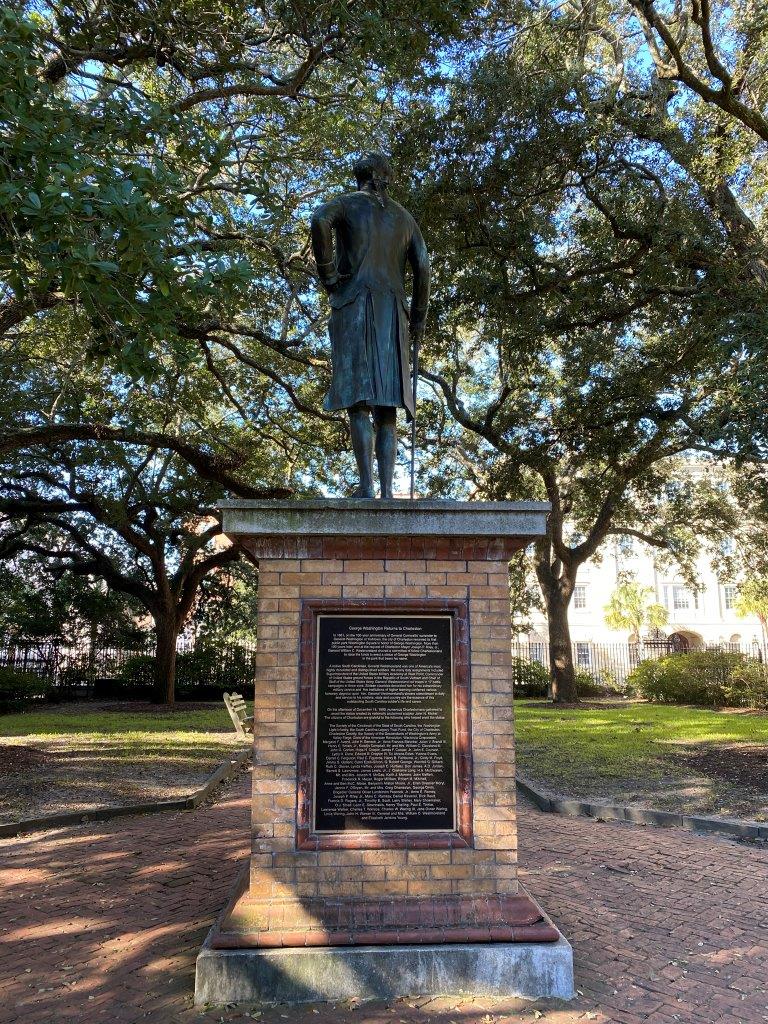
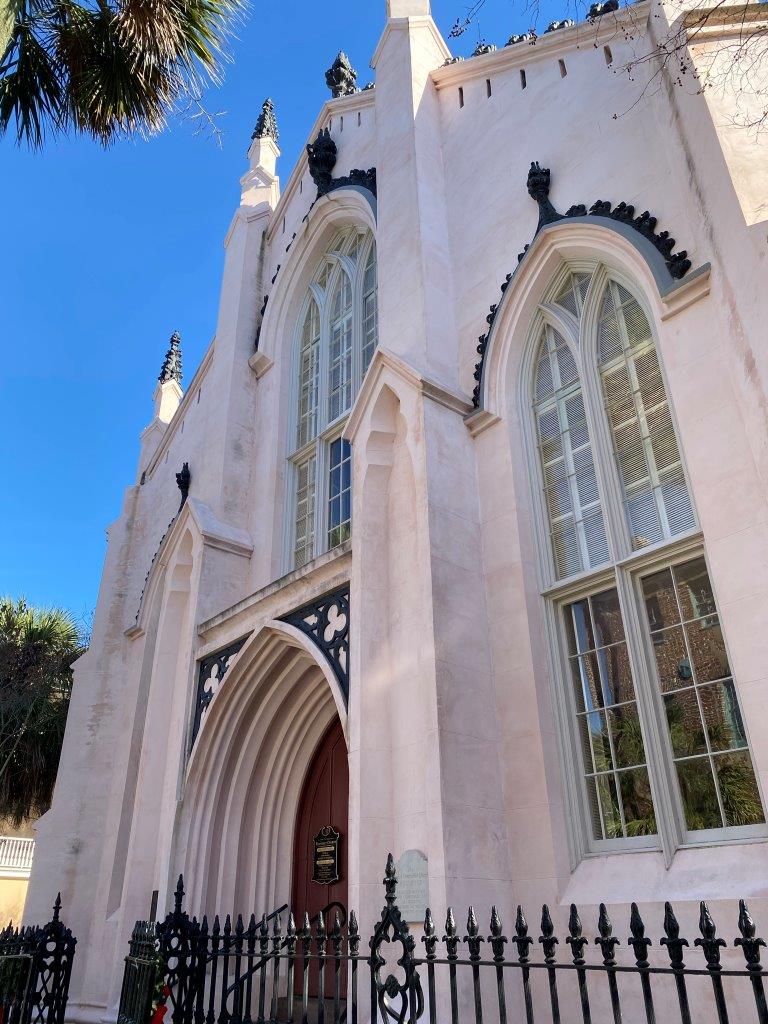
The Circular Church (top right picture) congregation was founded by English Congregationalists, Scottish Presbyterians and French Huguenots. The congregation was formed in 1681. The church cemetery (seen in the other pictures above) is likely the oldest English burial ground still in existence in Charleston with the oldest grave having a date of 1695.
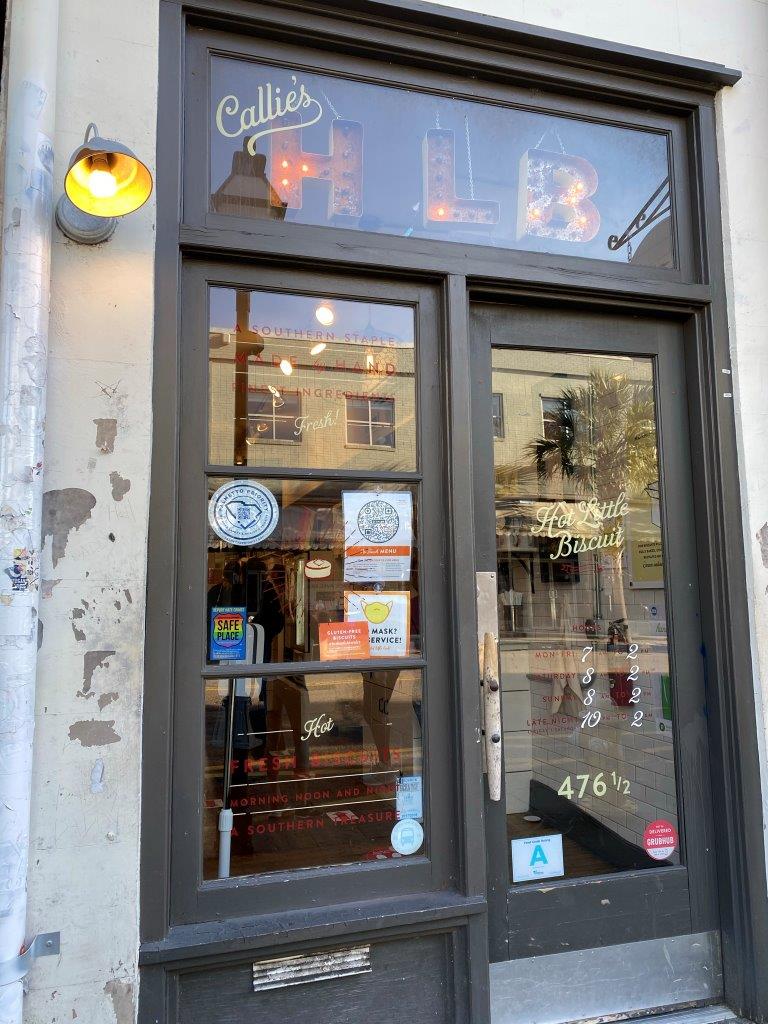
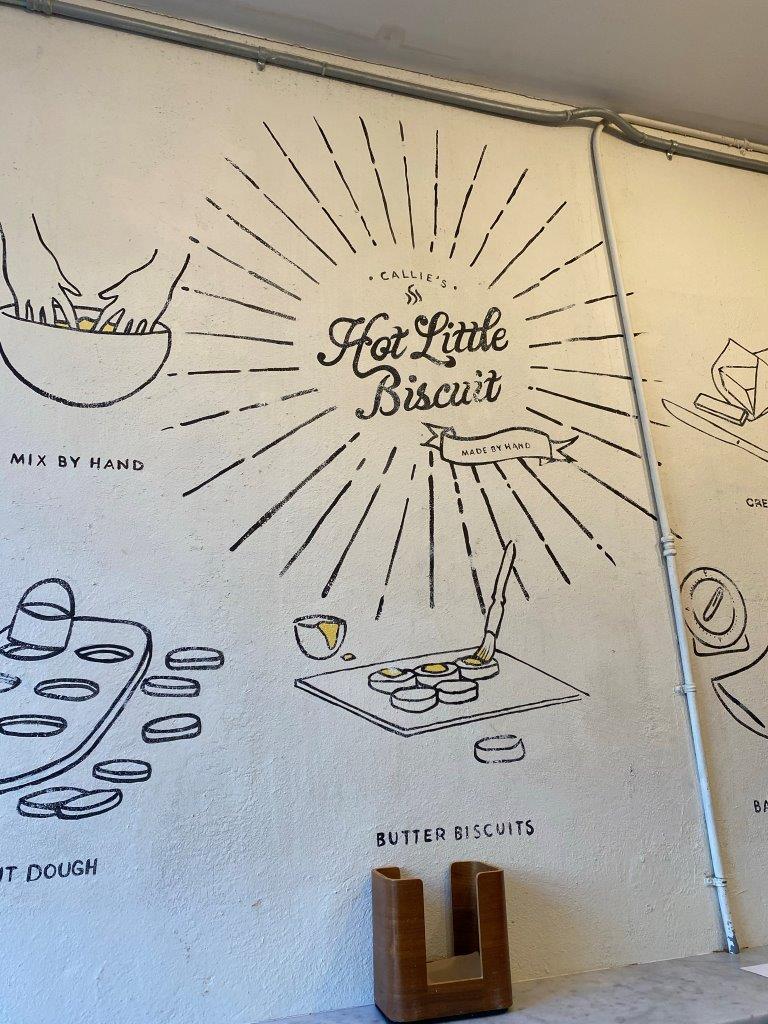
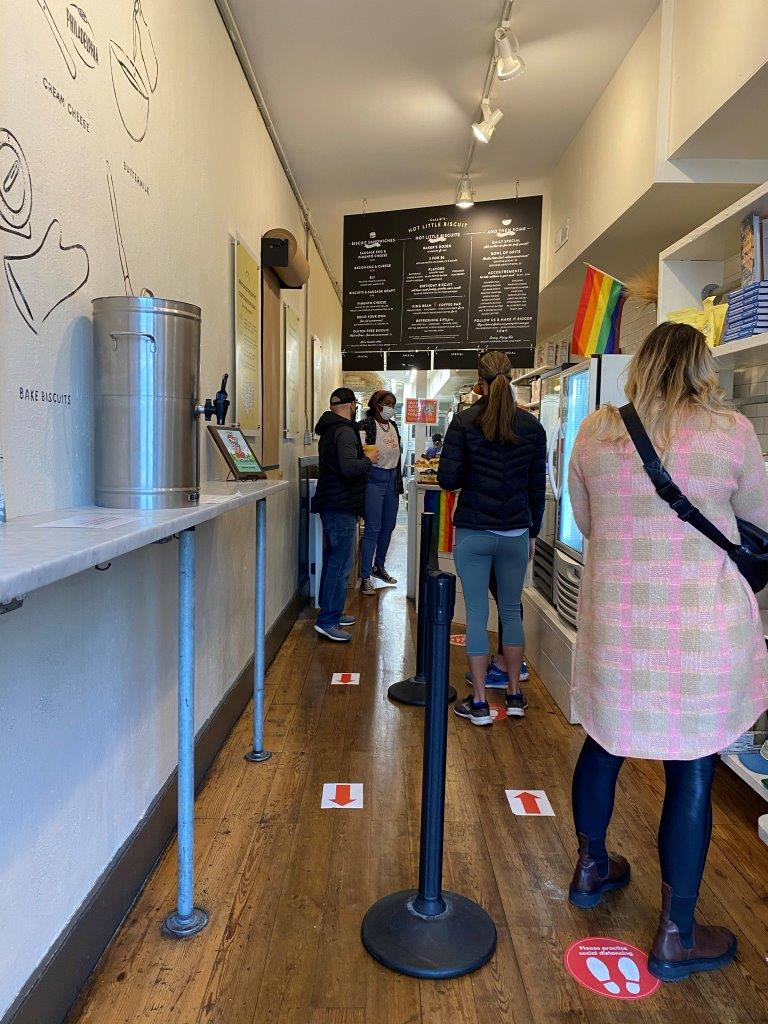
The next morning we had breakfast at the King Street location of Callie’s Hot Little Biscuit. We both got the “mix and match” three biscuits so we could try several flavors and coffees. I think we both had the country ham, cinnamon and the cheese & chive. The were so good I forgot to take a picture of them!
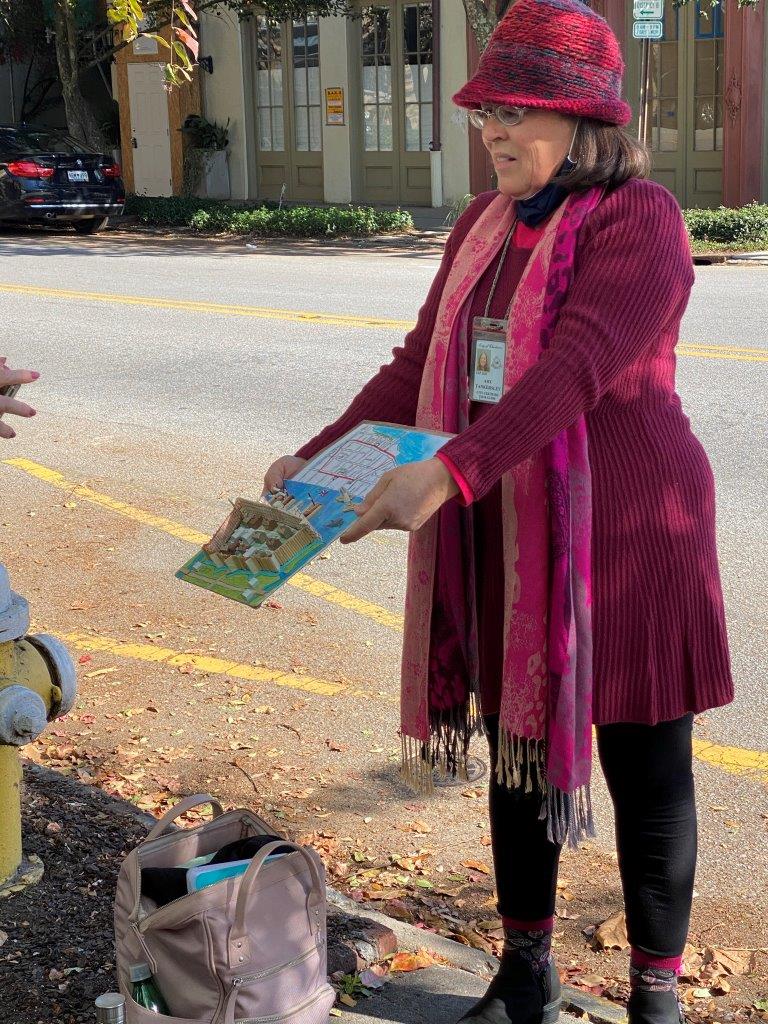
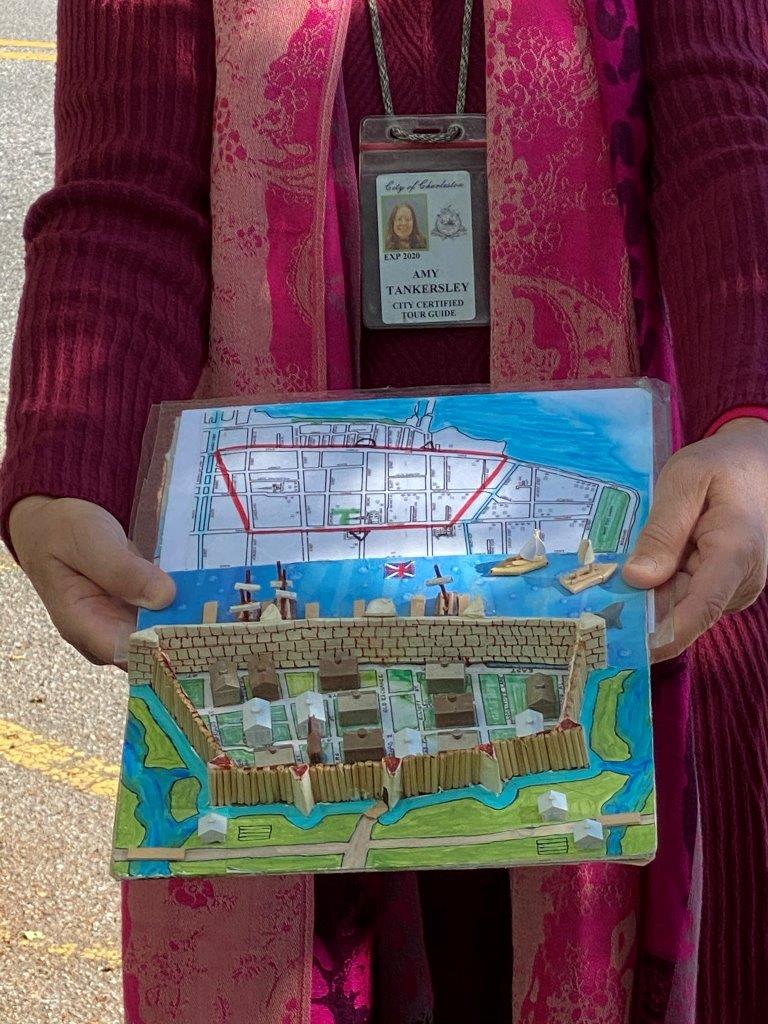
After breakfast, we met our walking tour guide Amy for the Walks of Charleston tour (we went on the Charleston History Tour). Amy was a fantastic tour guide and was very knowledgeable of the history of the city. She even carries a diorama she made to show what the city would have originally looked like! We definitely learned a lot on our two hour walk through the city.
A few quick facts about the “Holy City”…
- Charleston was founded in 1670 as “Charles Town”, honoring King Charles II and became the 5th largest city in North American within ten years.
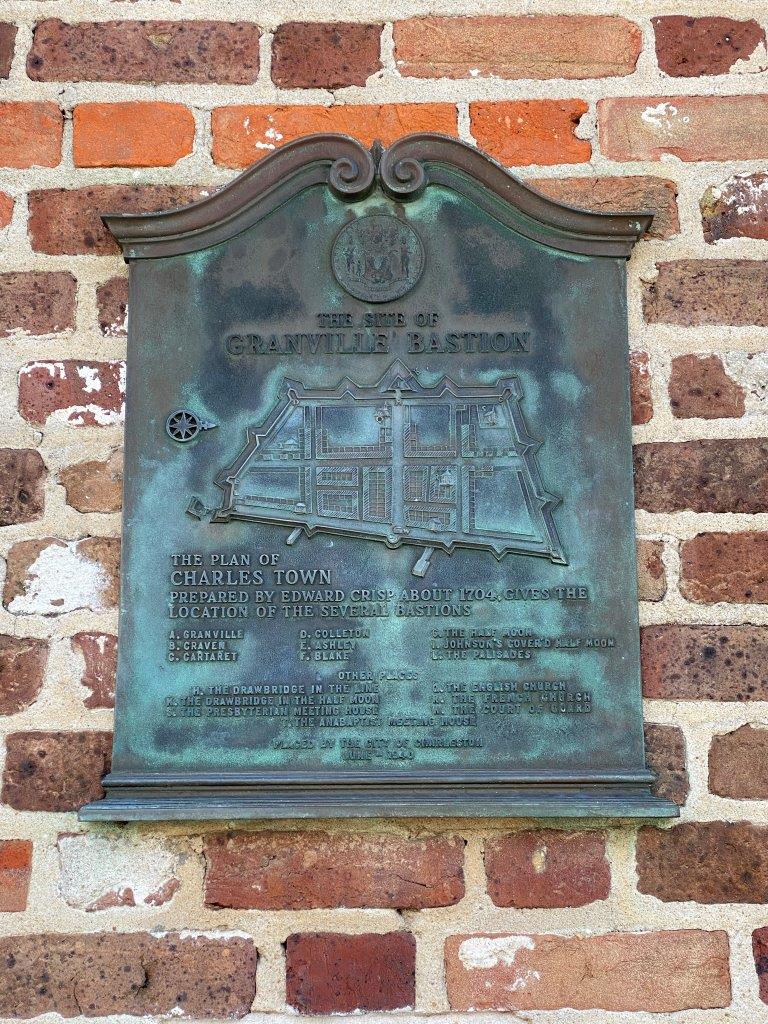
- The colonists built a wall around their small settlement to aid in its defense (see Amy’s diorama below and a portion of the wall can be seen in the Provost Dungeon a few paragraphs down).
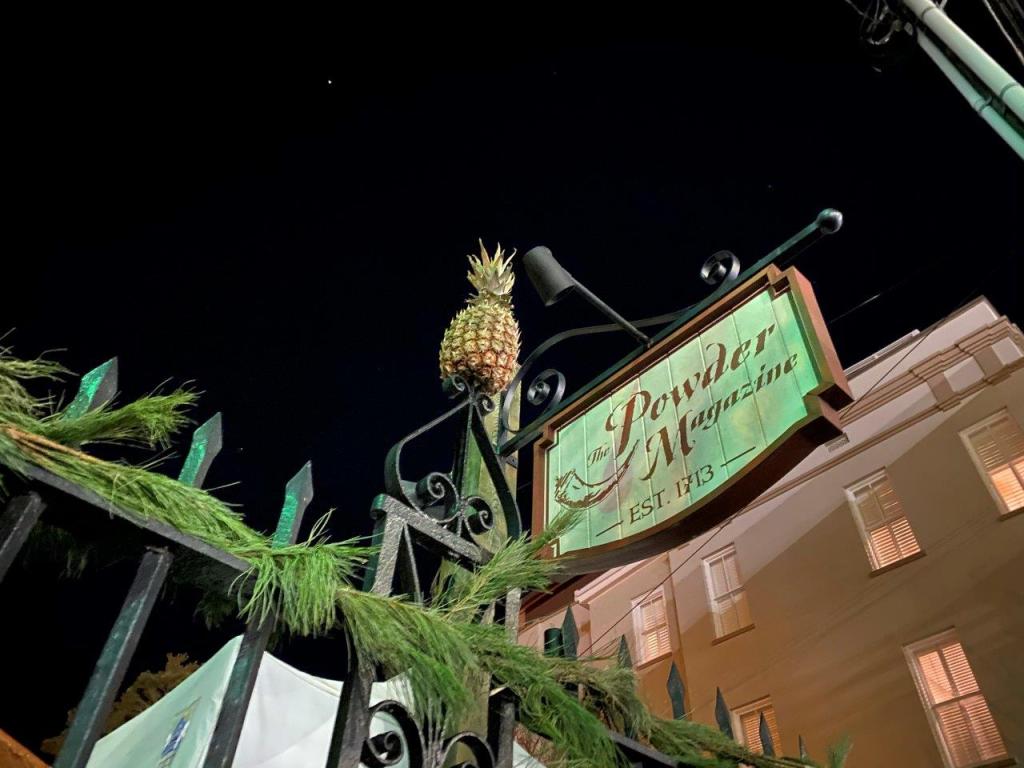
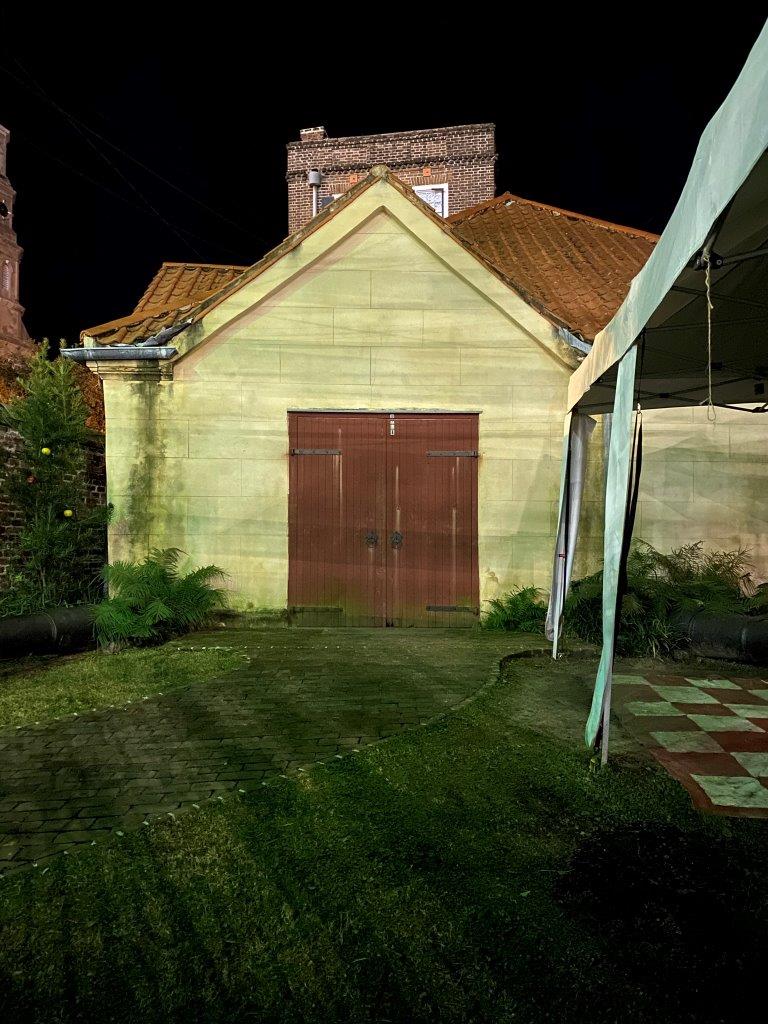
- One of two remaining buildings from this time is the Powder Magazine (in one of the pictures above from our ghost tour). In 1750, it was the 4th largest port in colonies exporting rice, cotton and indigo.
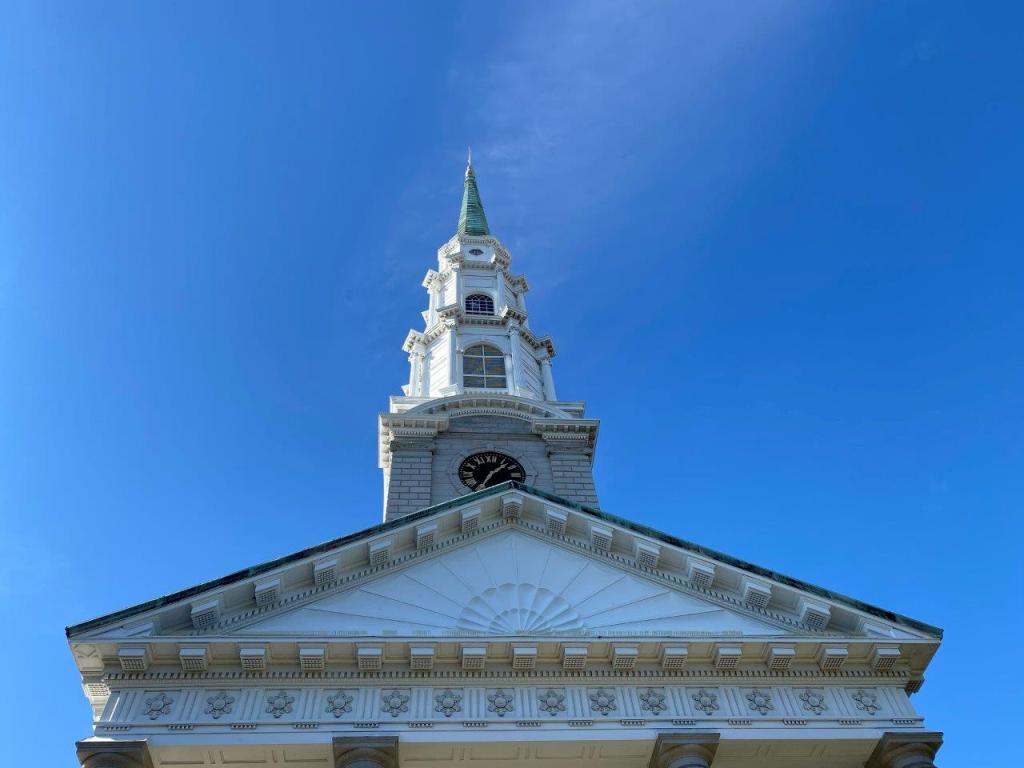
- Its nickname of the “Holy City” is due to all the church steeples that are across the city’s skyline. Also in its past Charleston was known for its religious diversity and freedom.
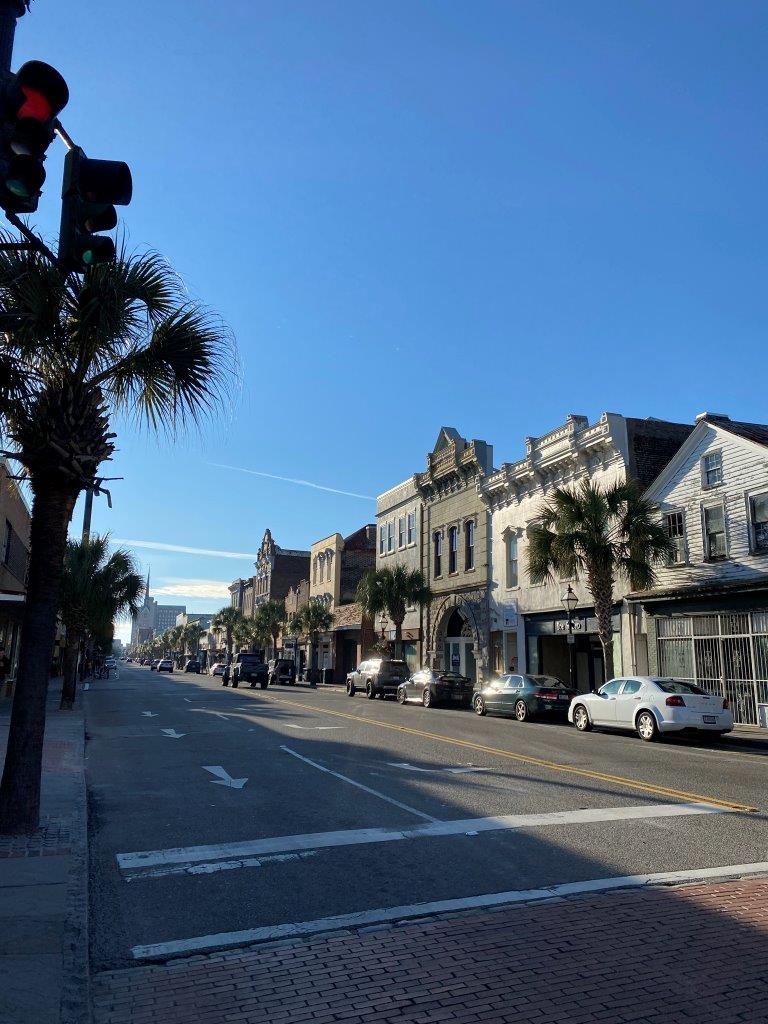
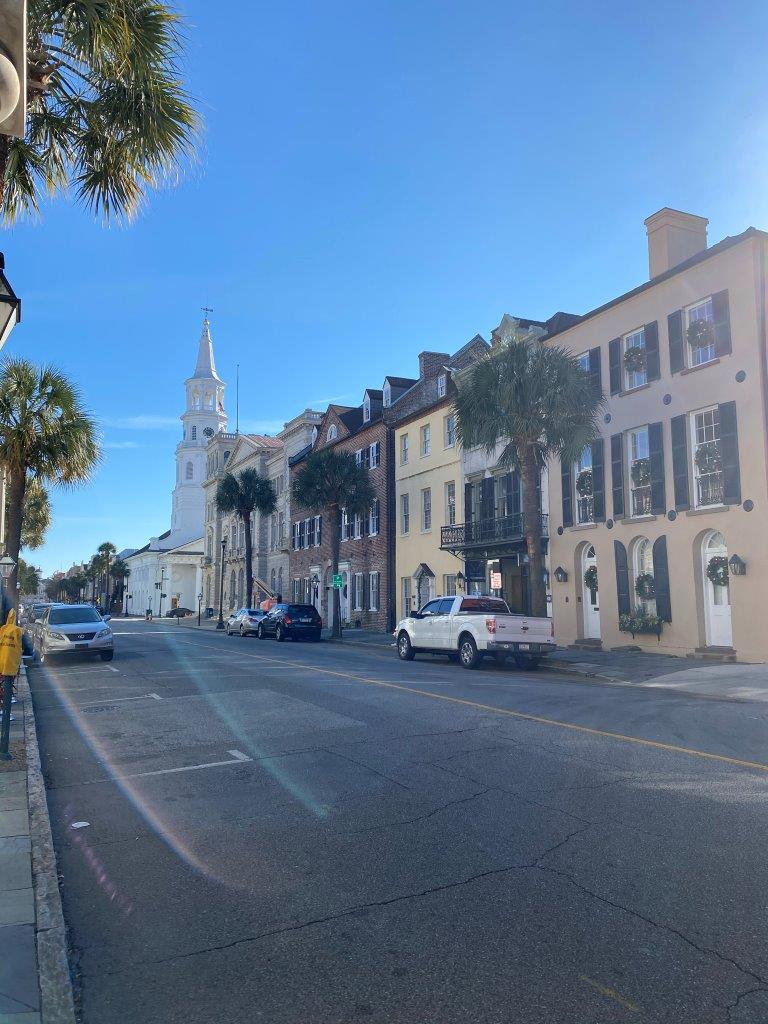
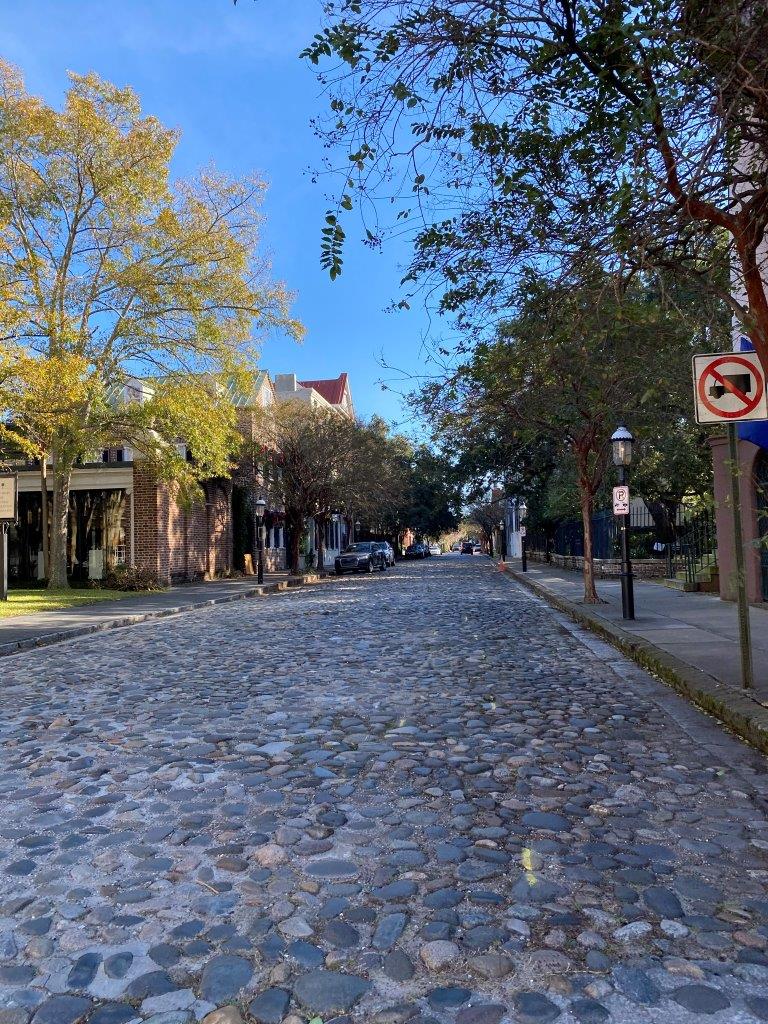
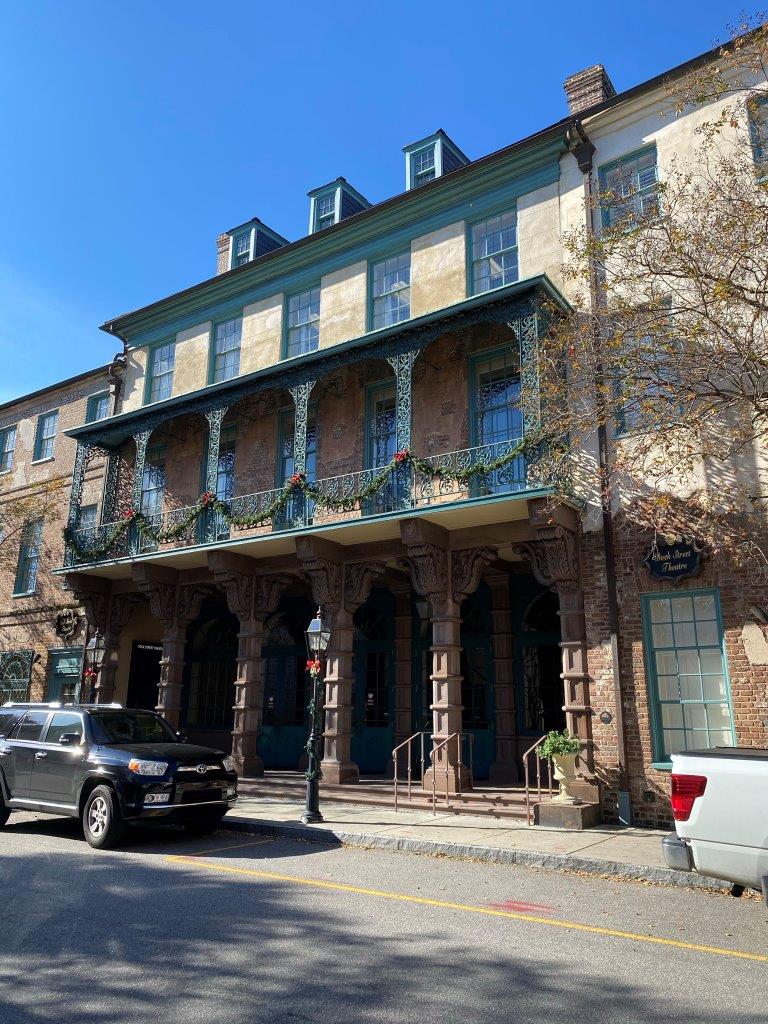
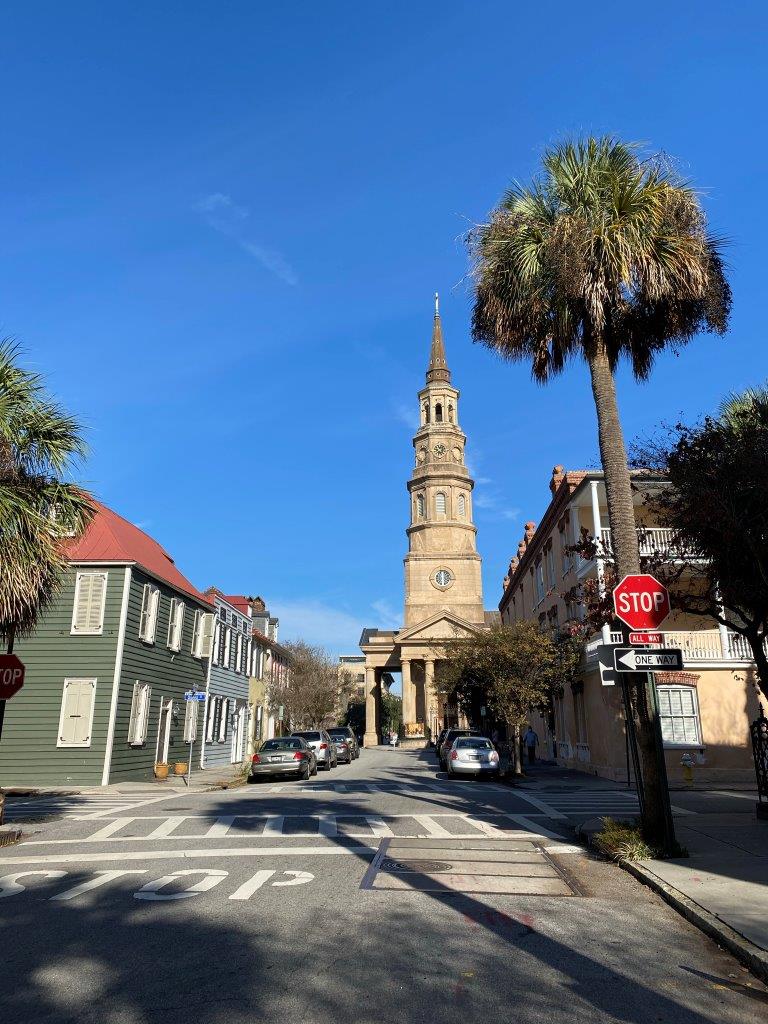
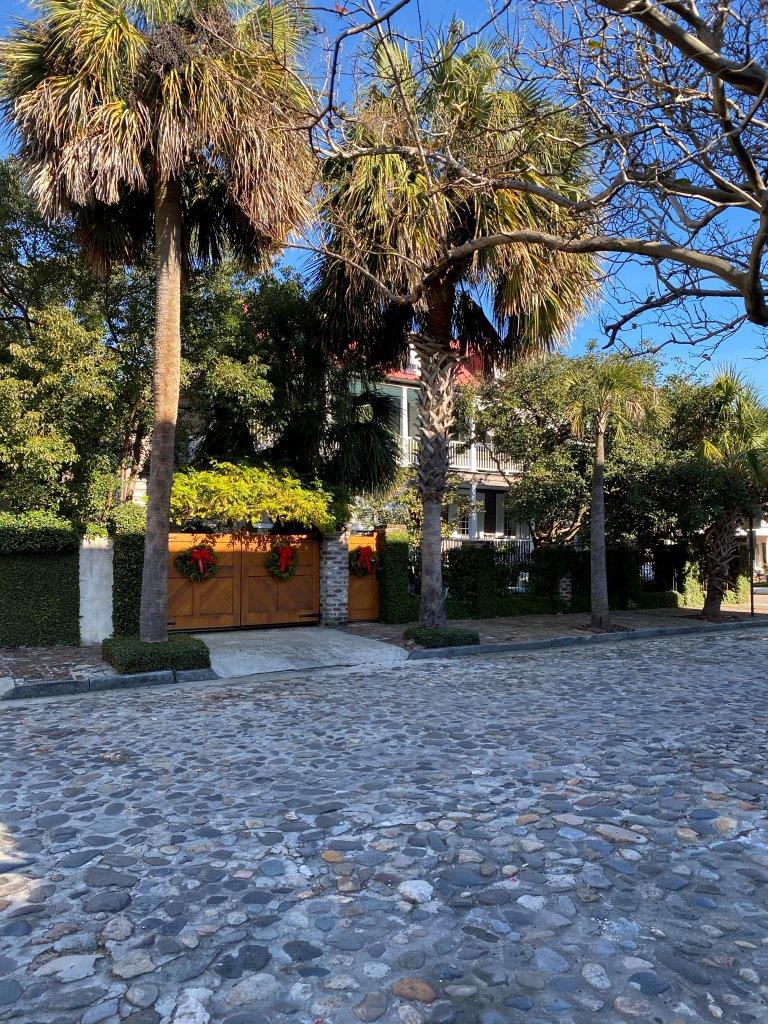
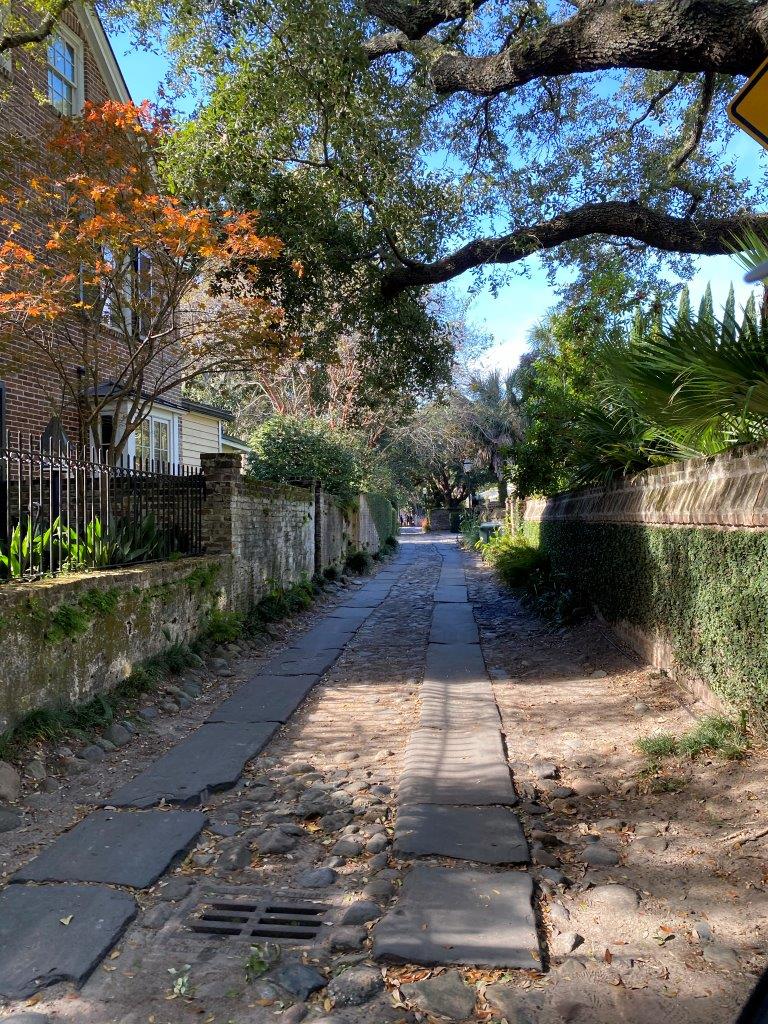
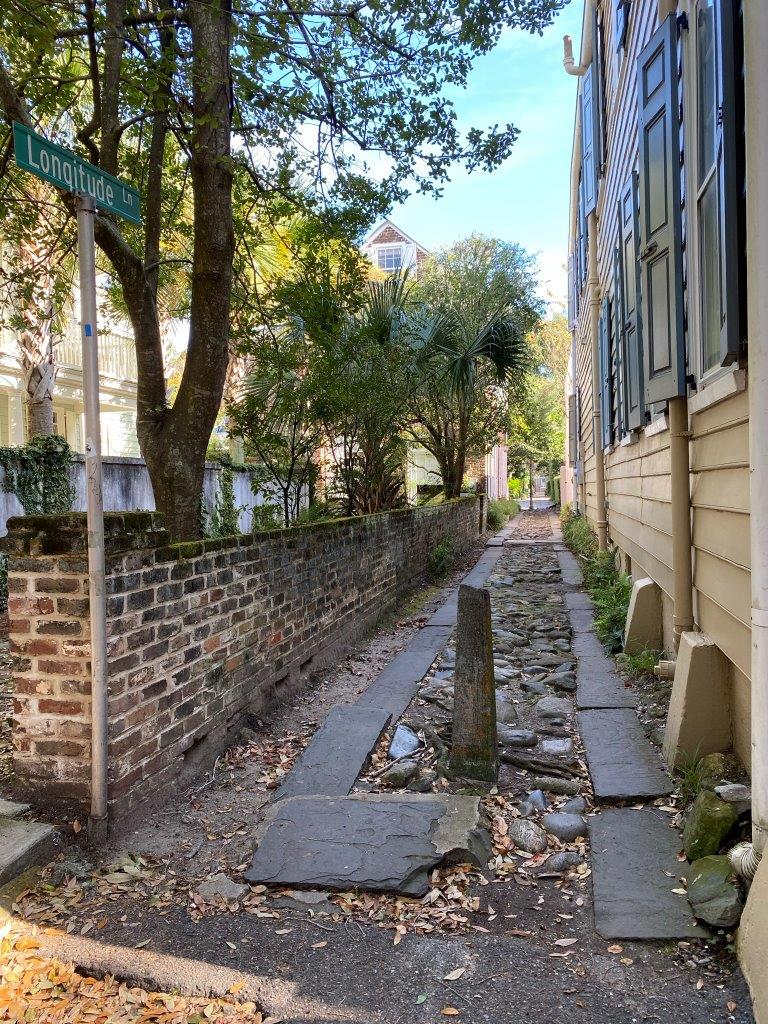
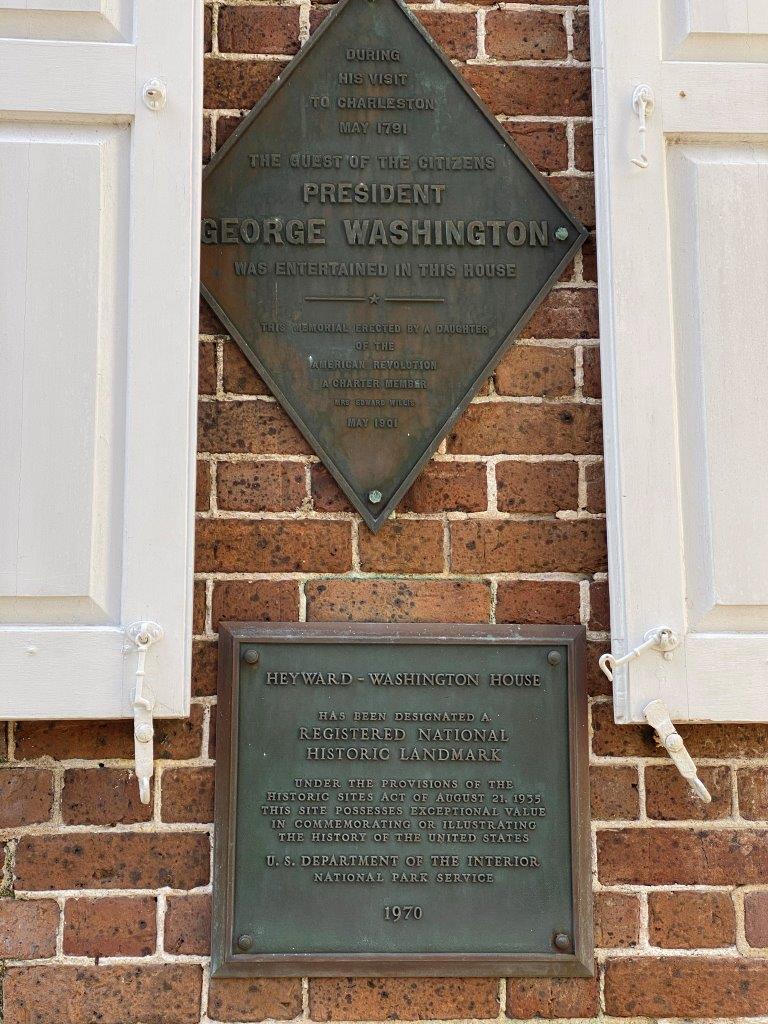
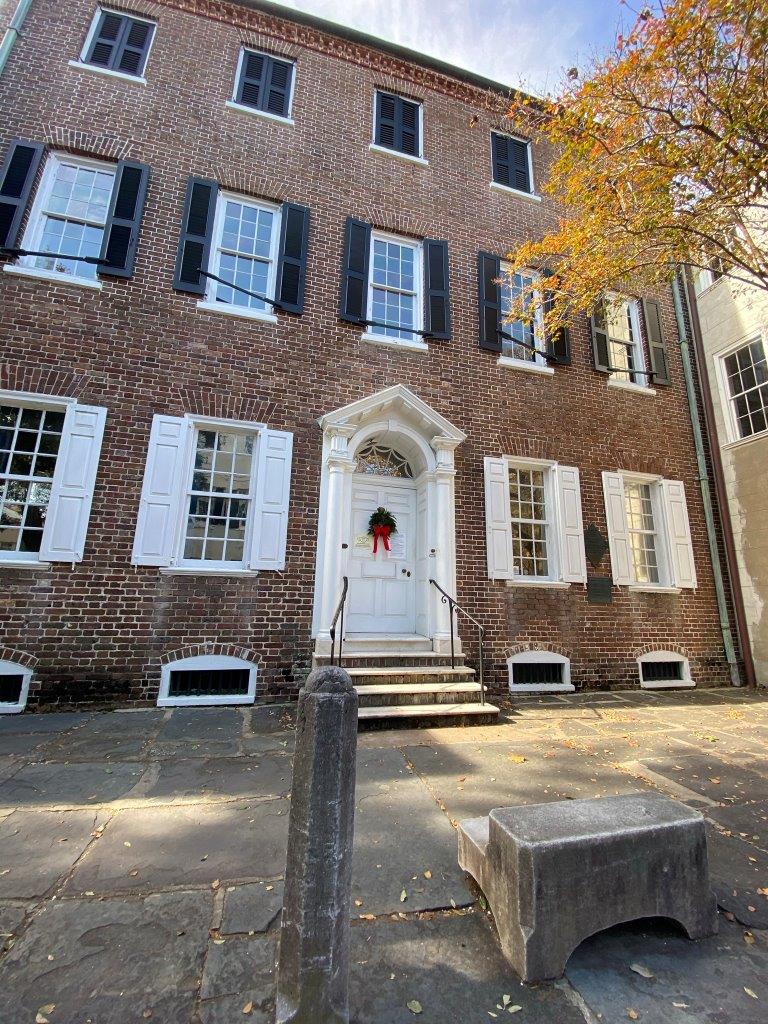
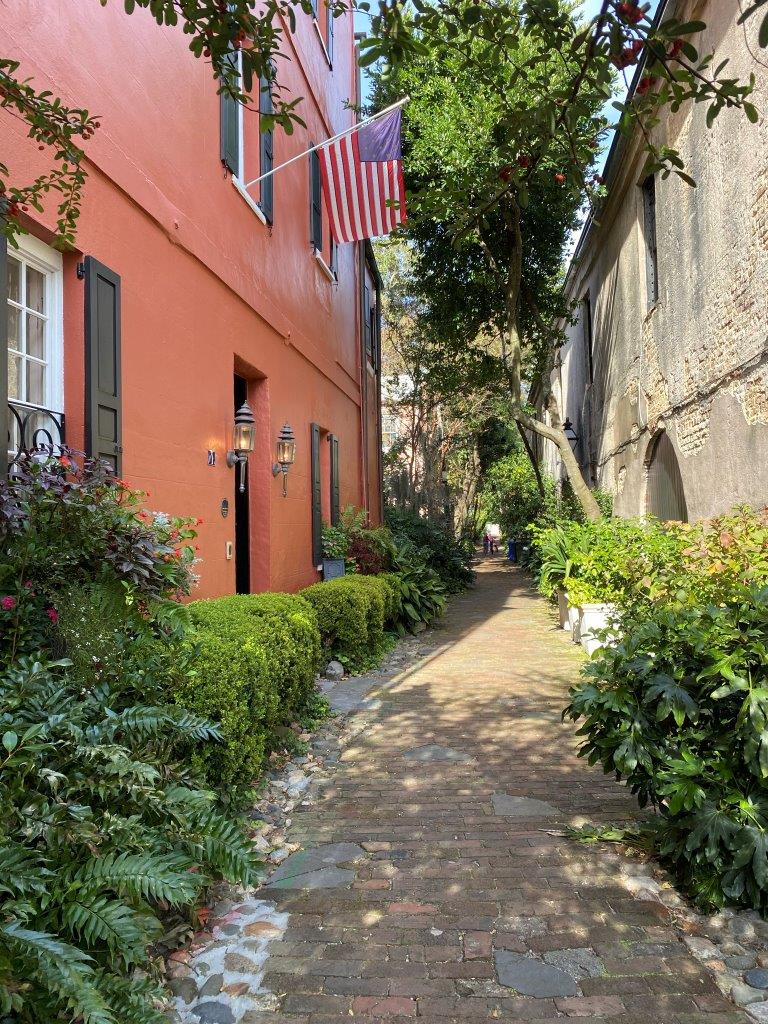
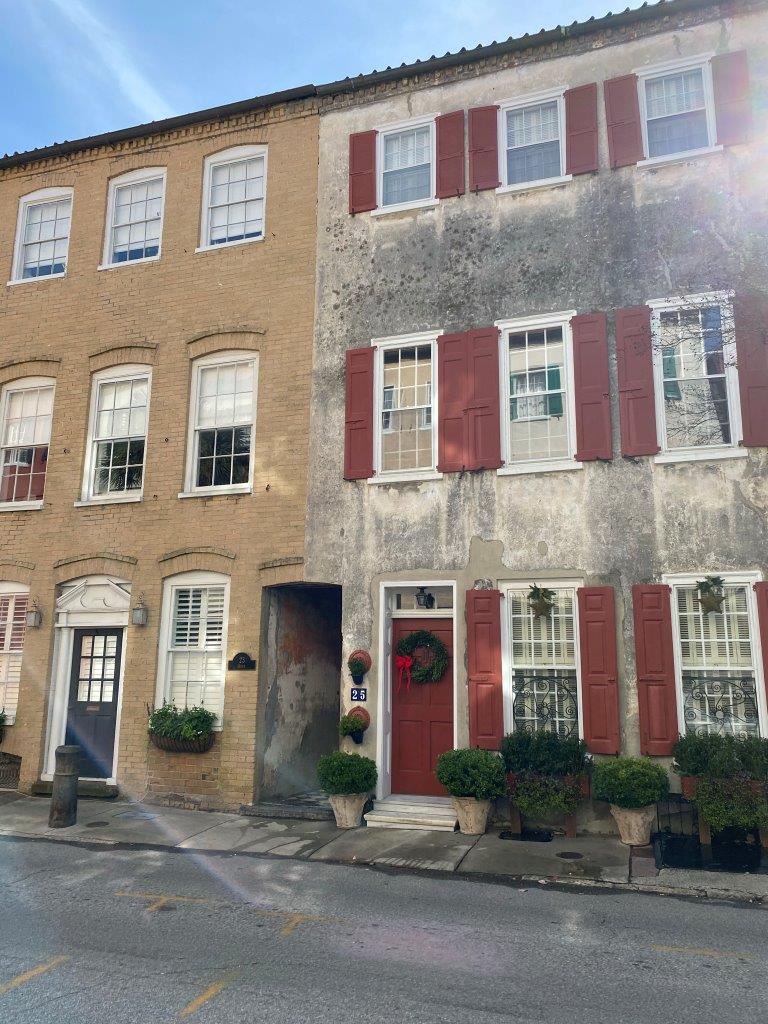
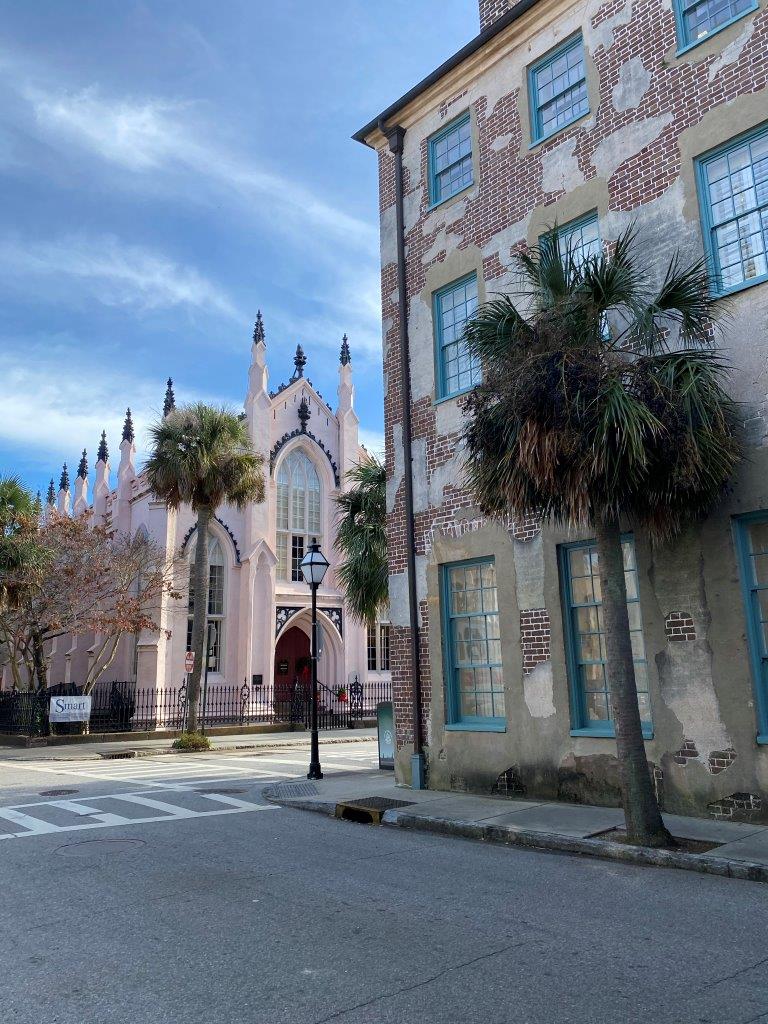
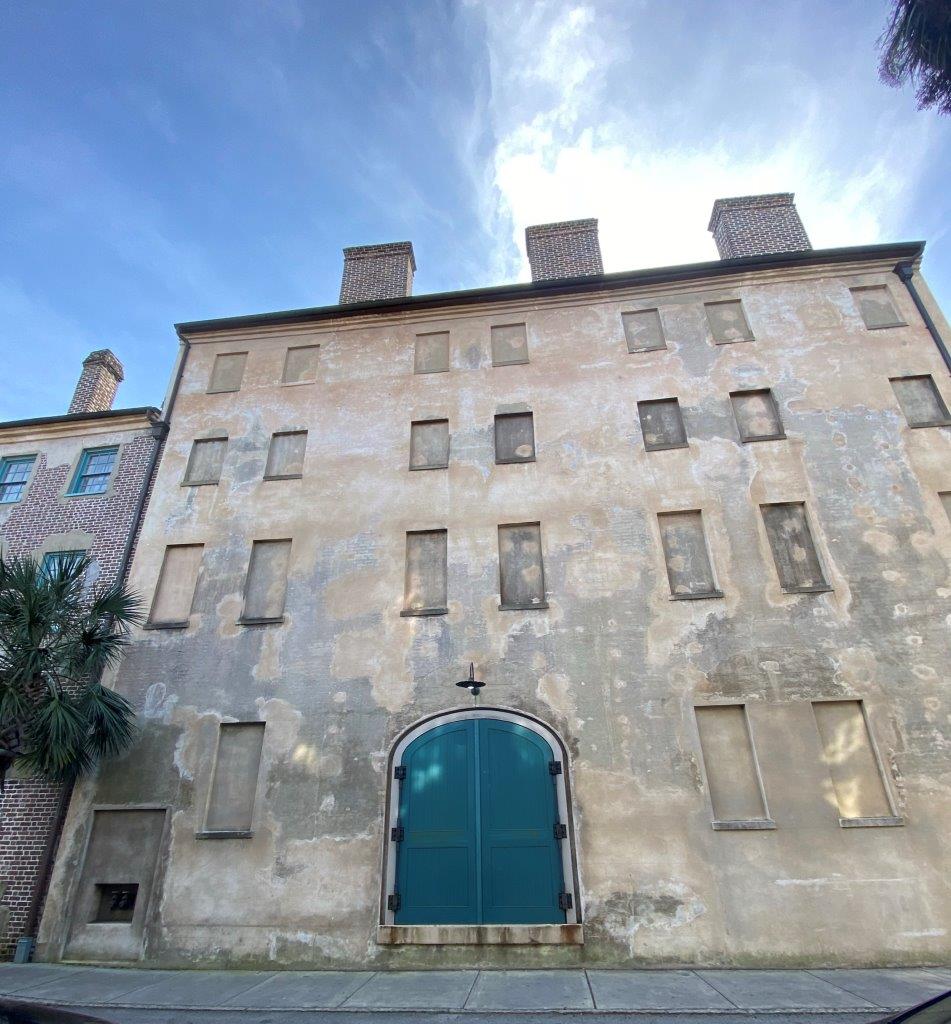
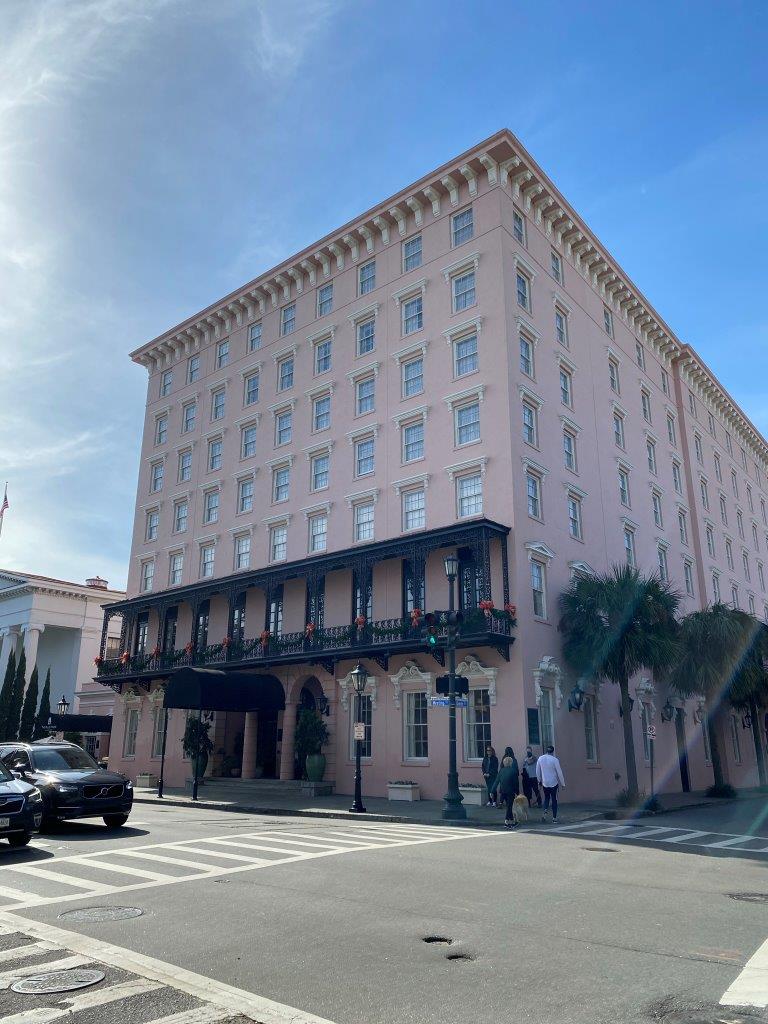
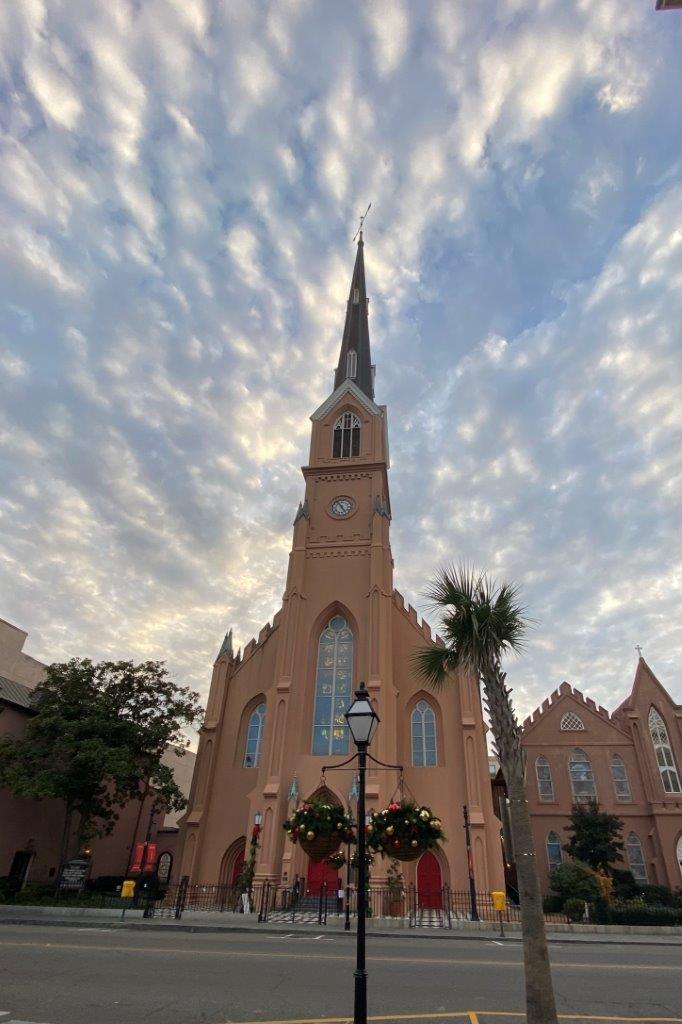
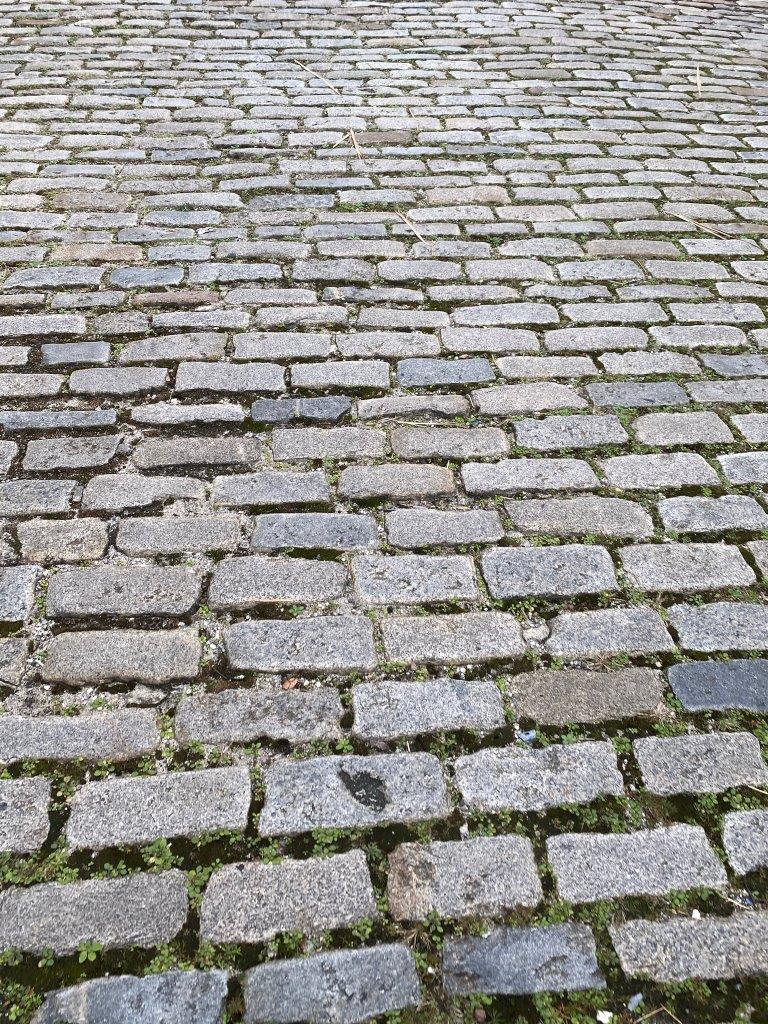
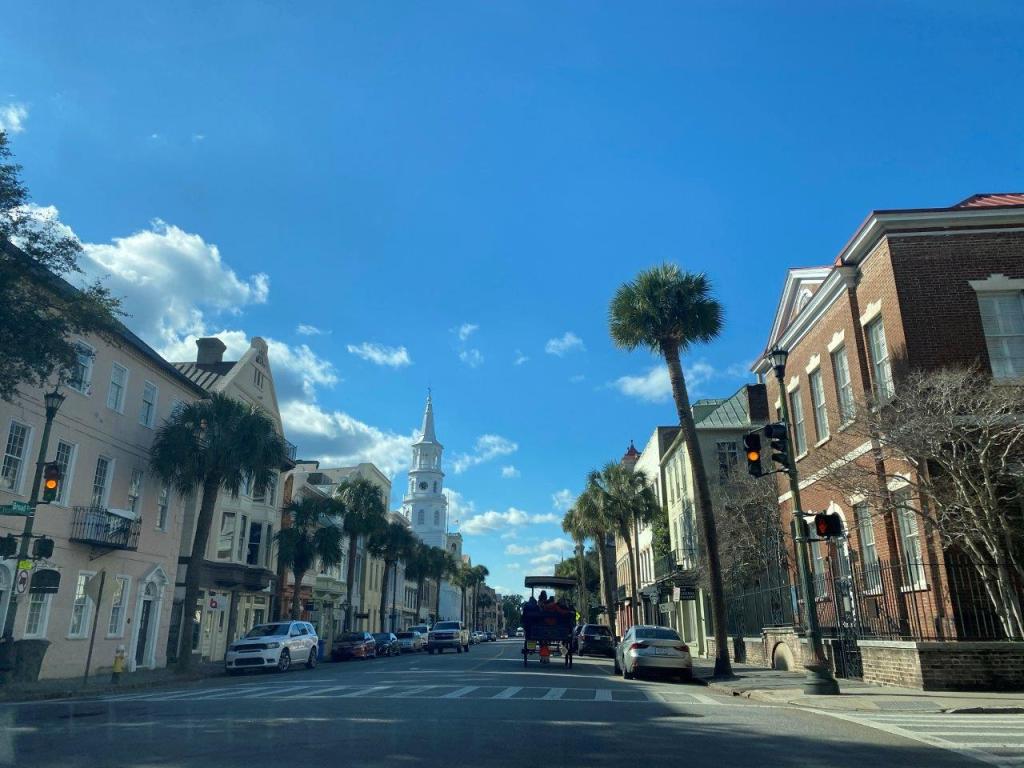
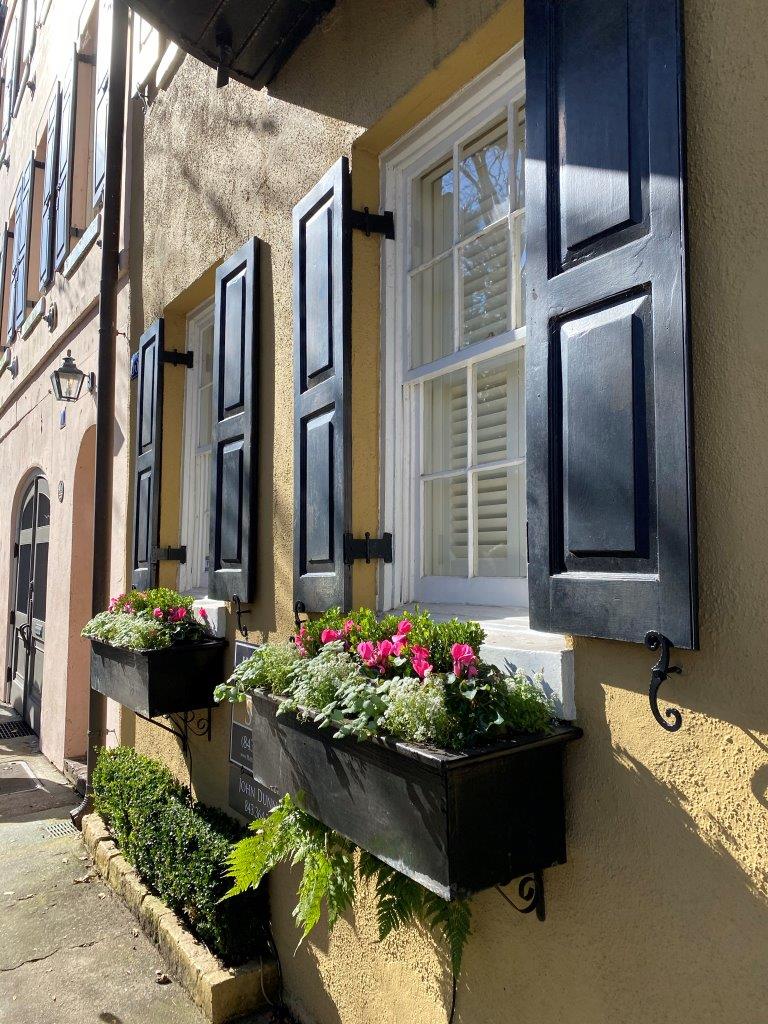
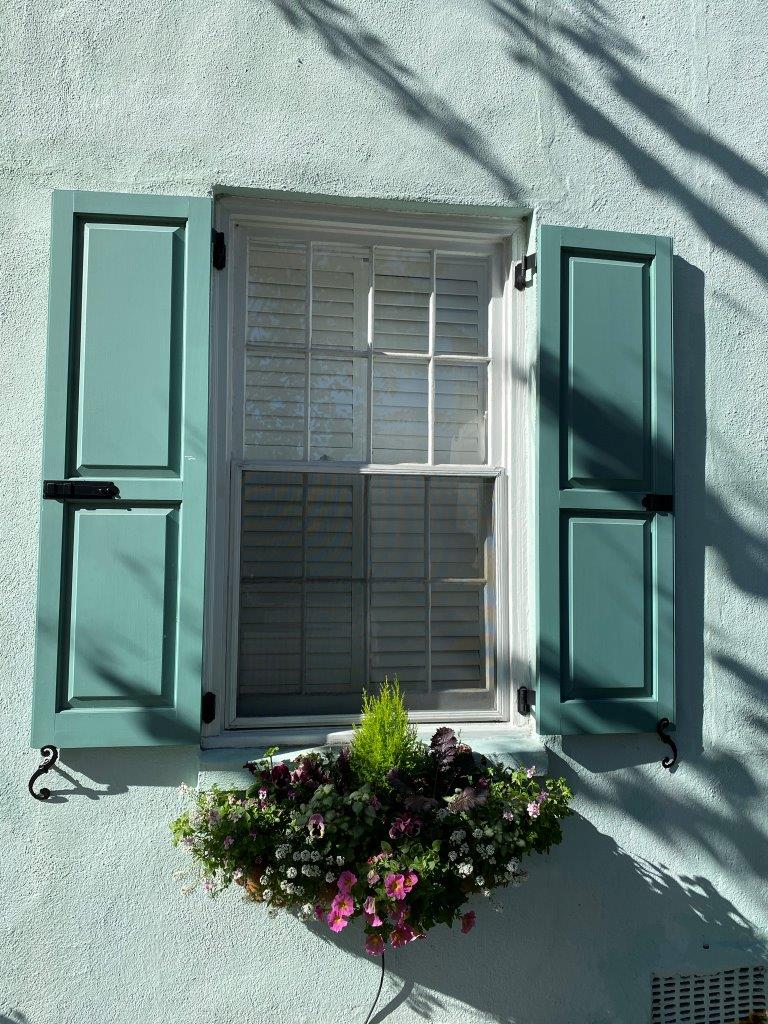
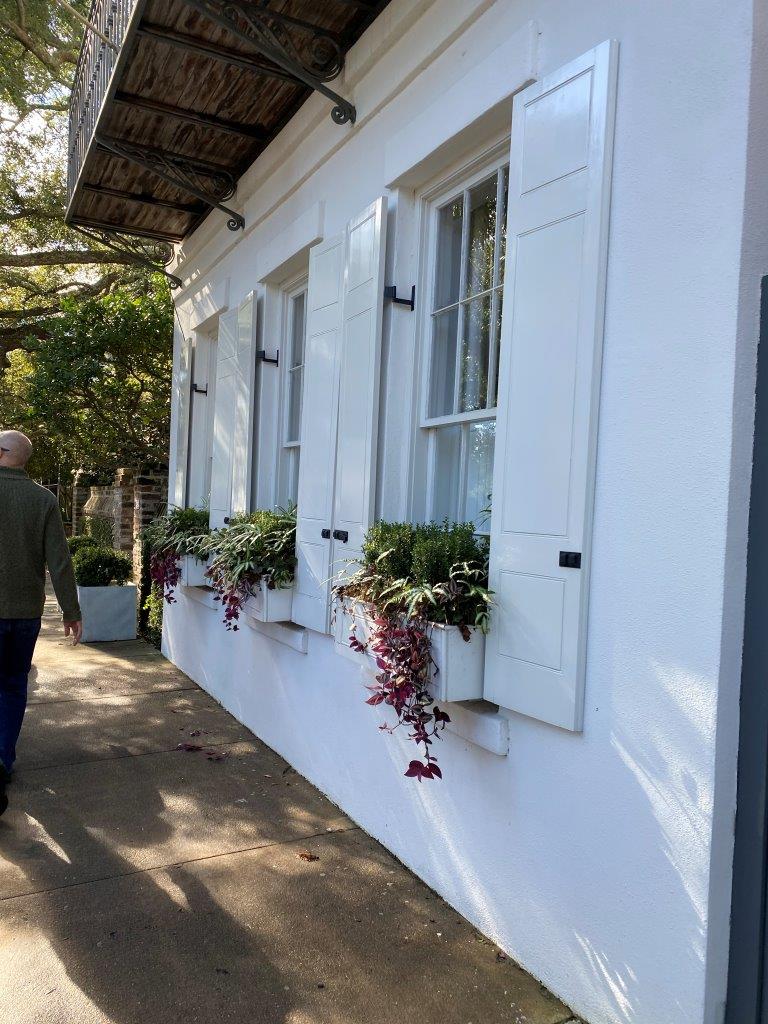
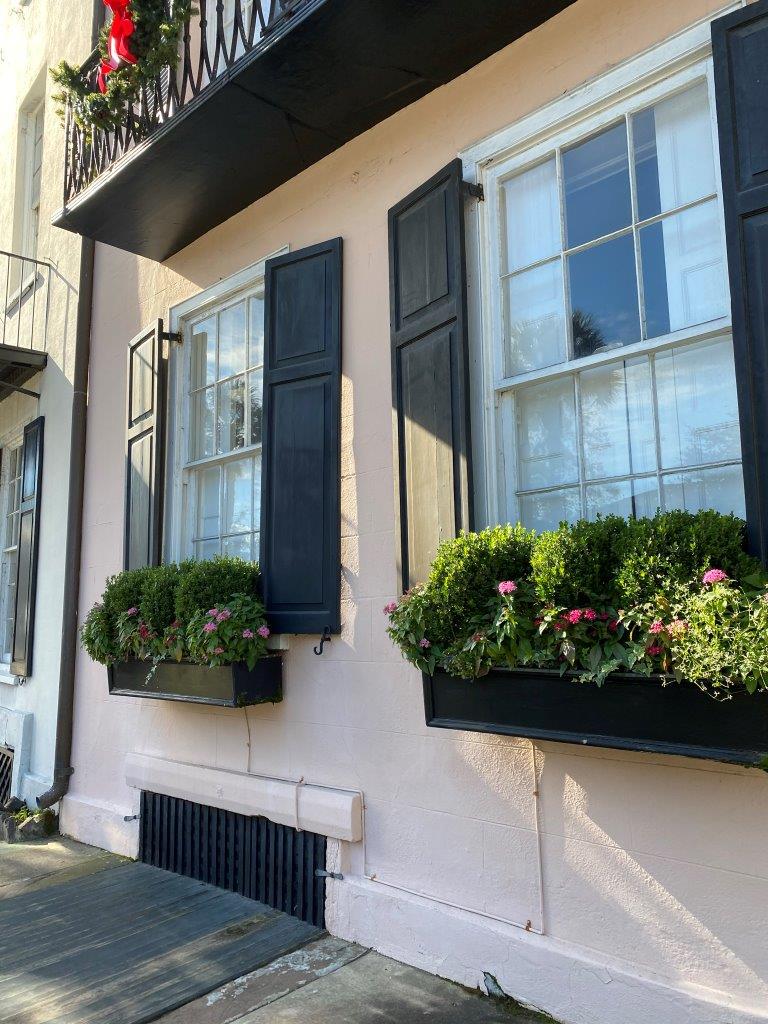
The Charleston architecture was beautiful. You will notice the “Charleston Single House” style in some of the pictures I took. These houses are long and narrow, but the unique feature is what appears to be the front door (the door facing the street) is actually the door to the private porch. Also, I became slightly obsessed with taking pictures of all the beautiful flower arrangements in the window boxes throughout the city.
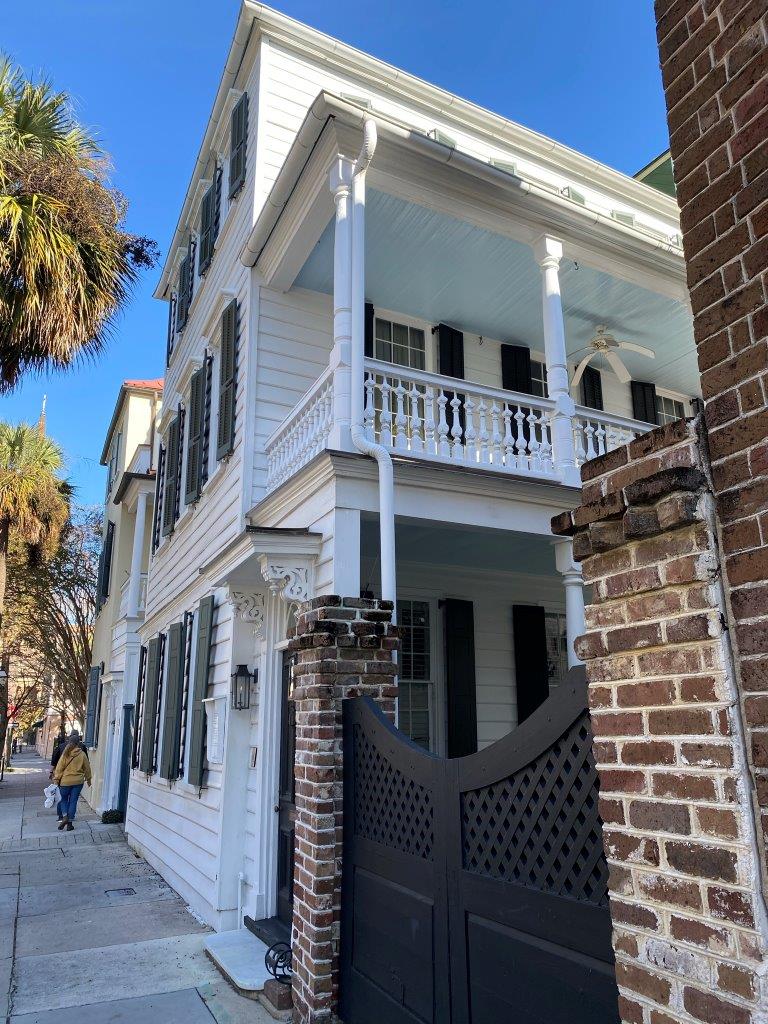
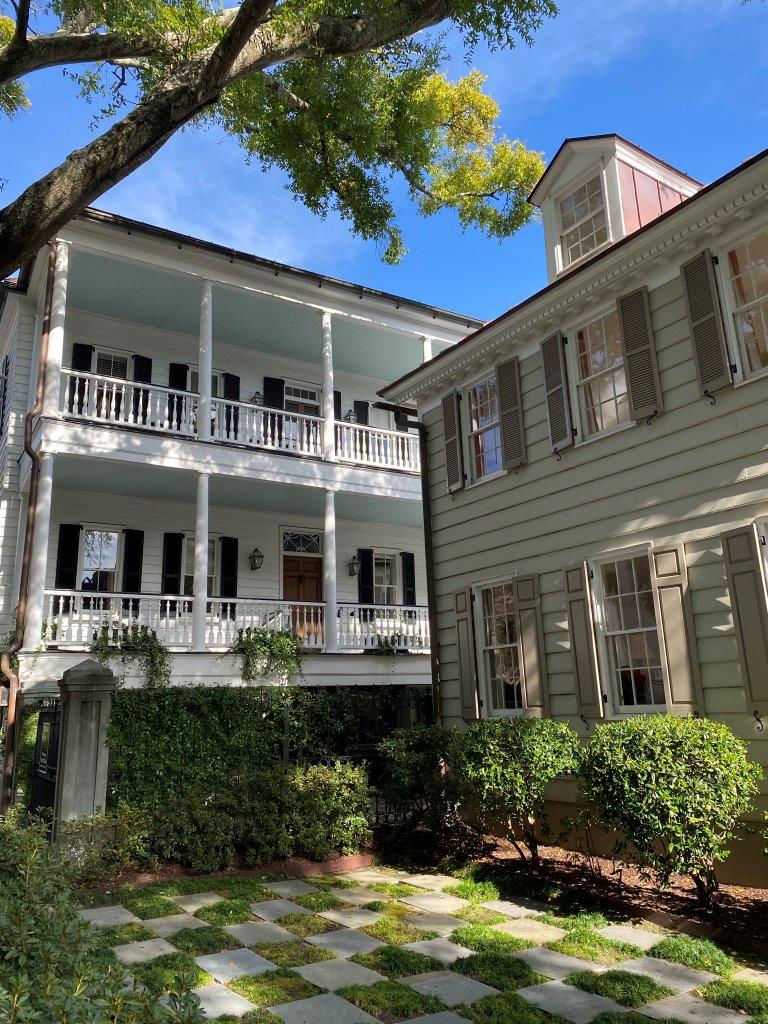
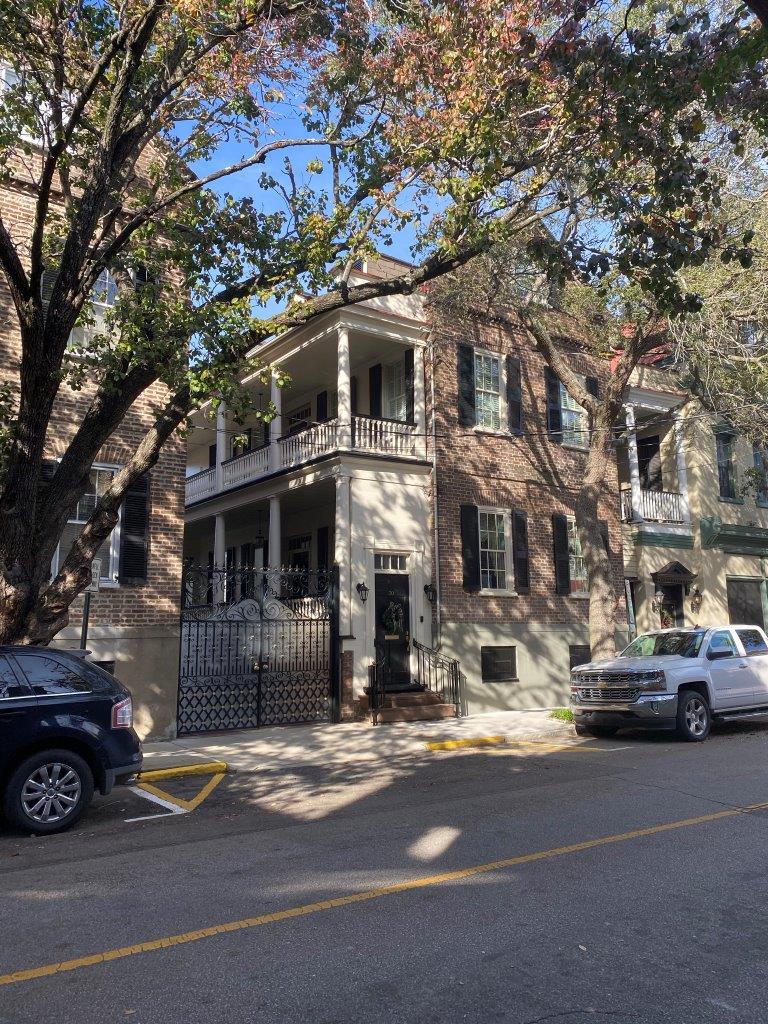
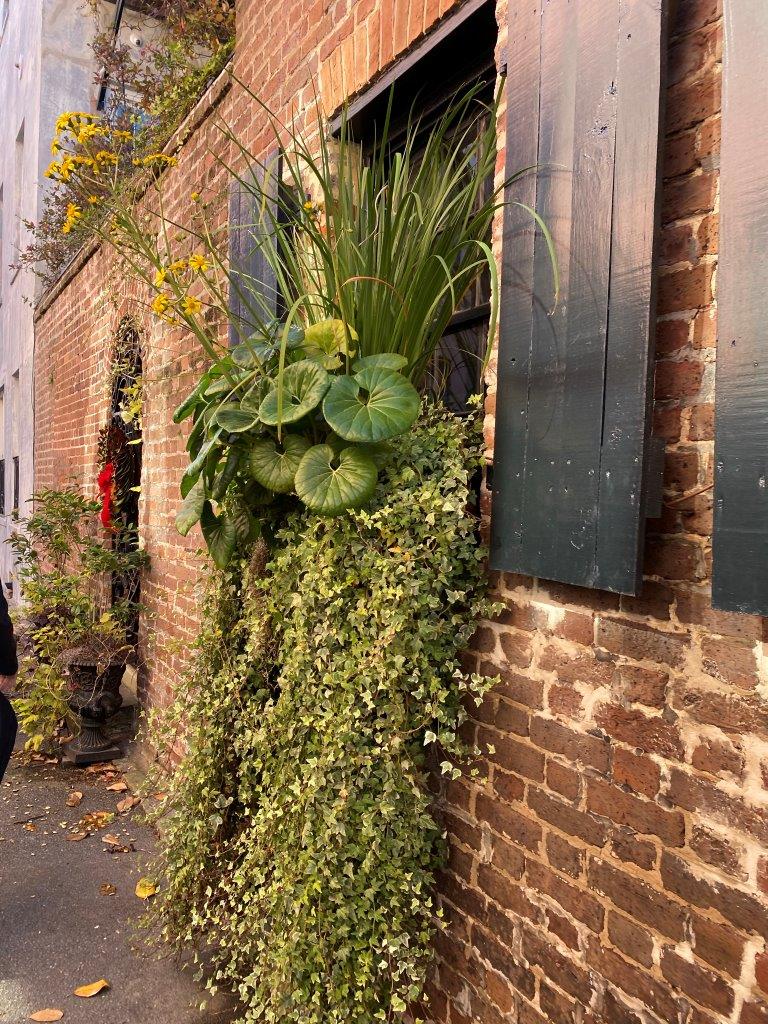
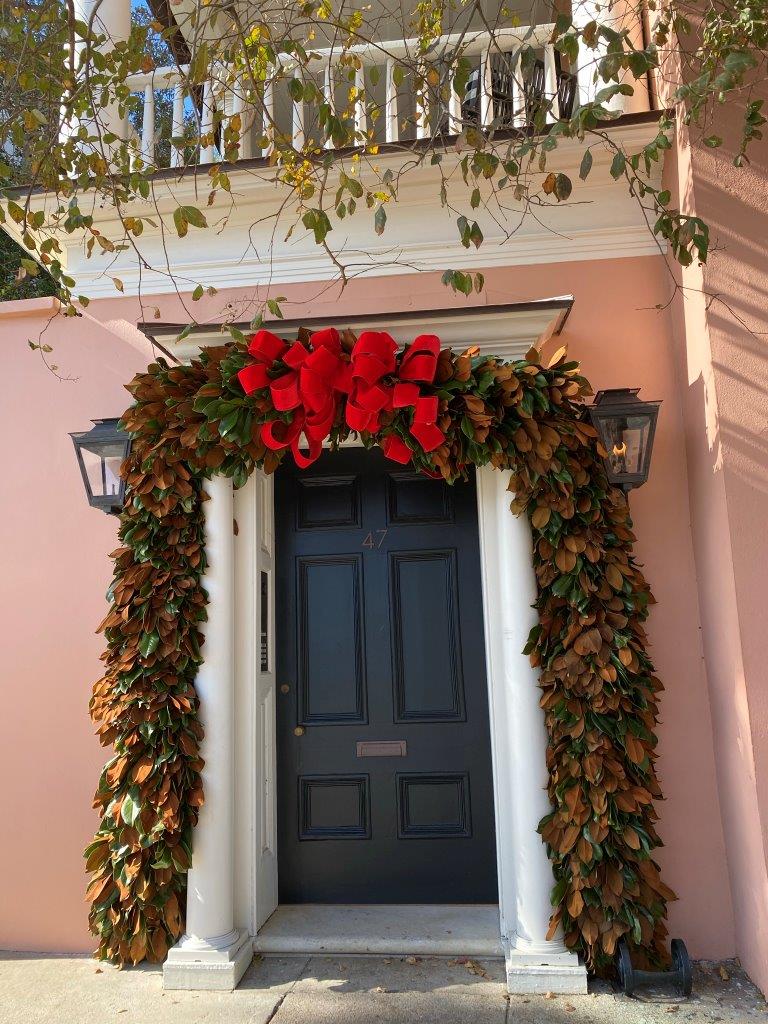
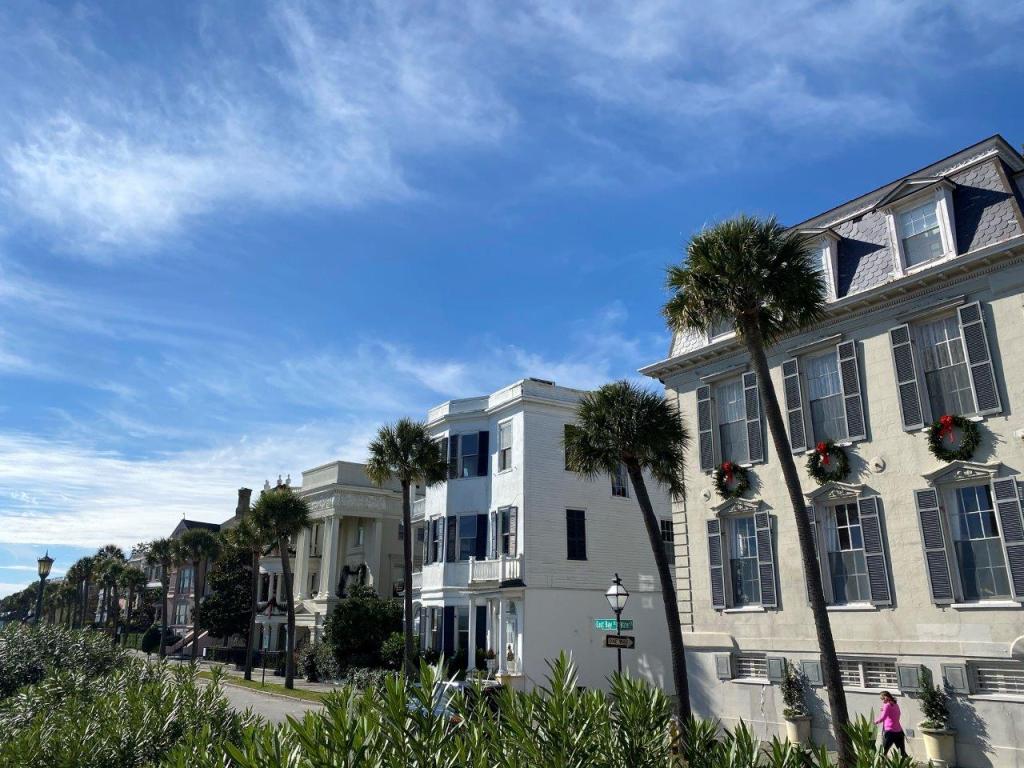
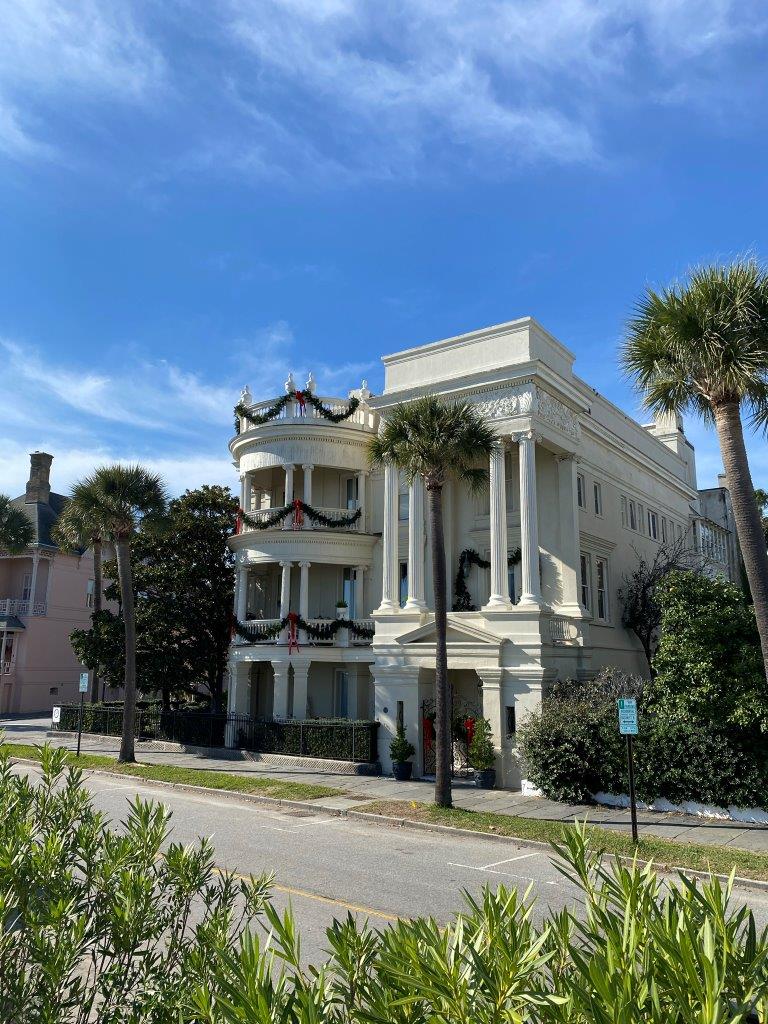
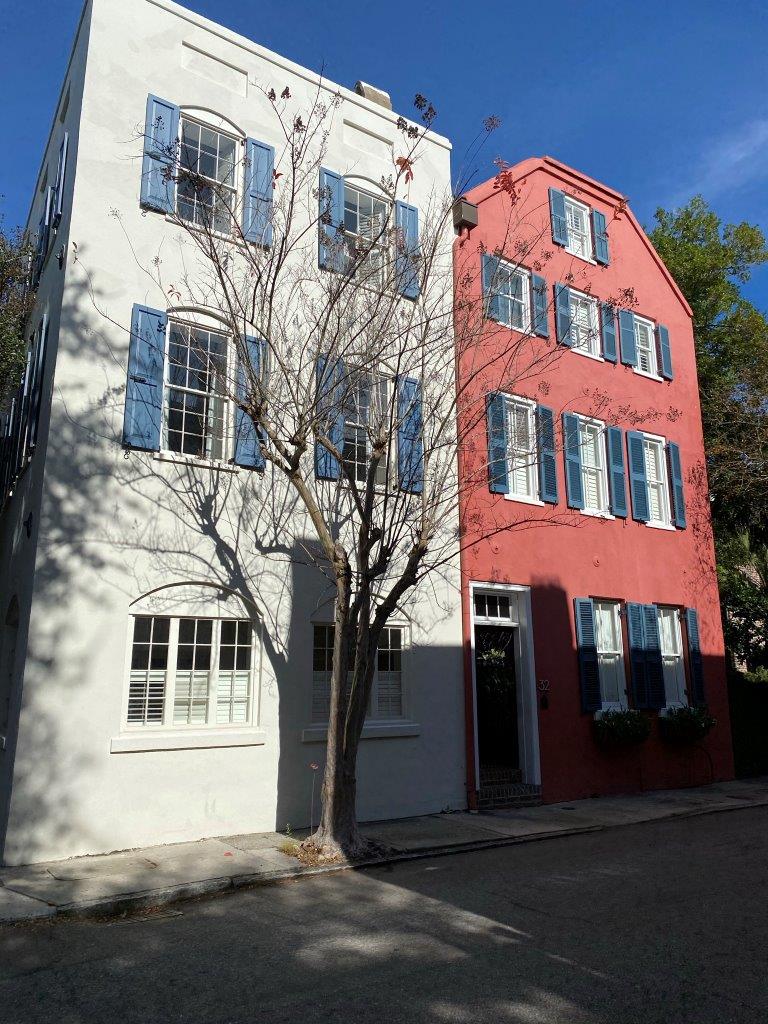
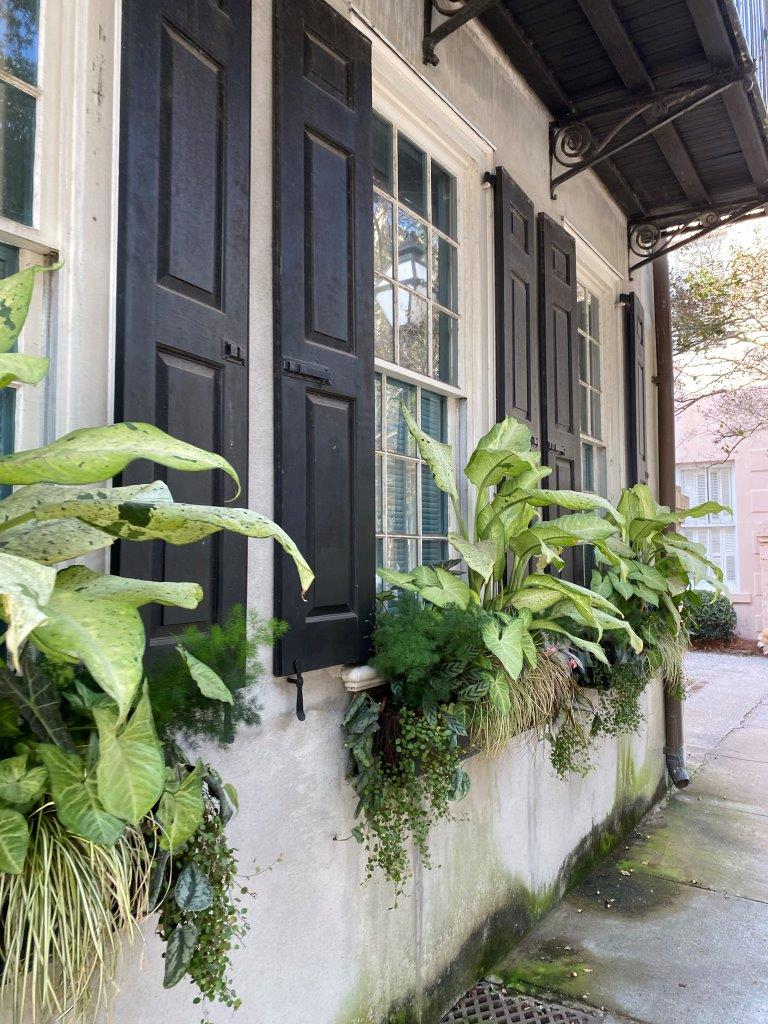
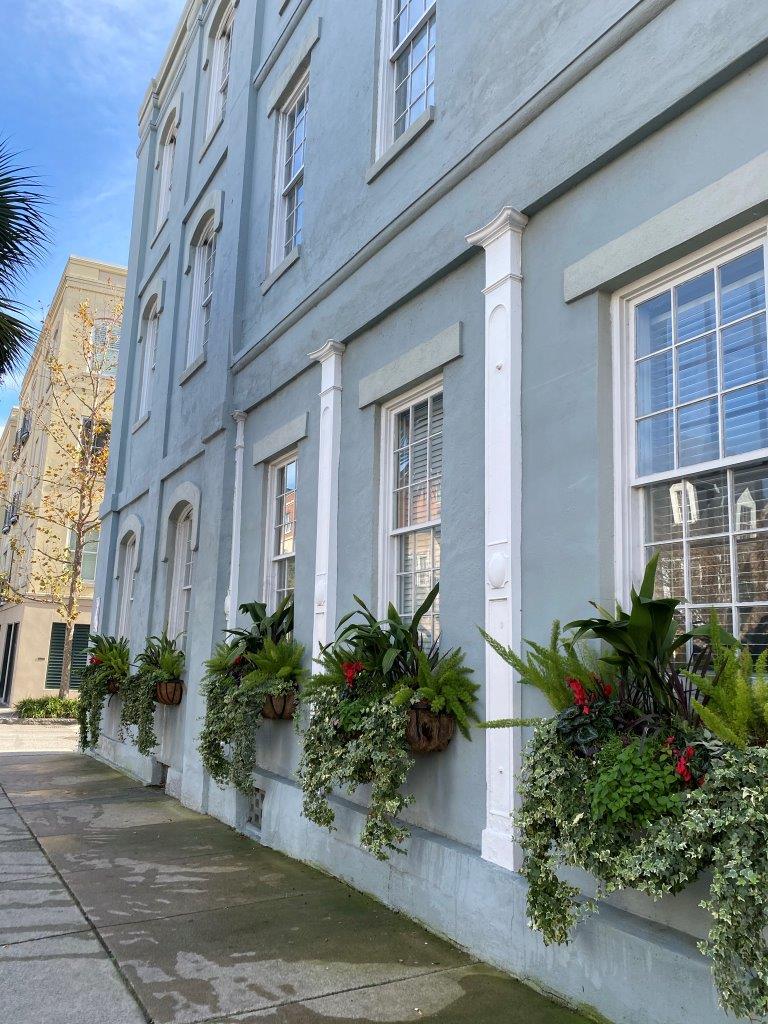
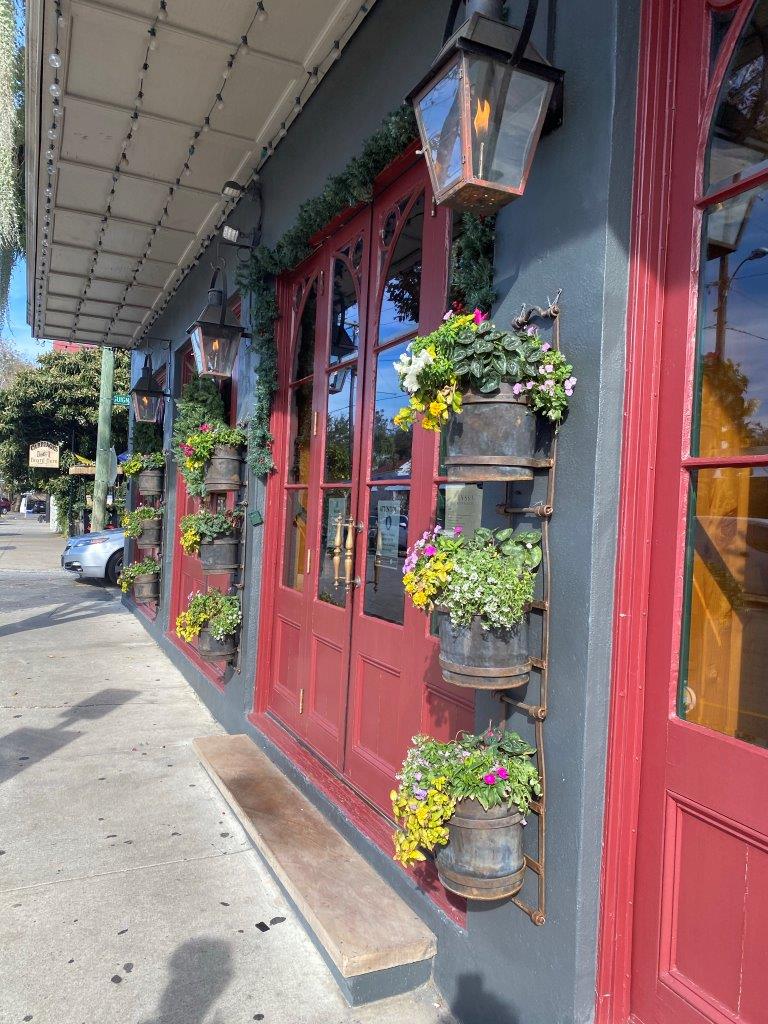
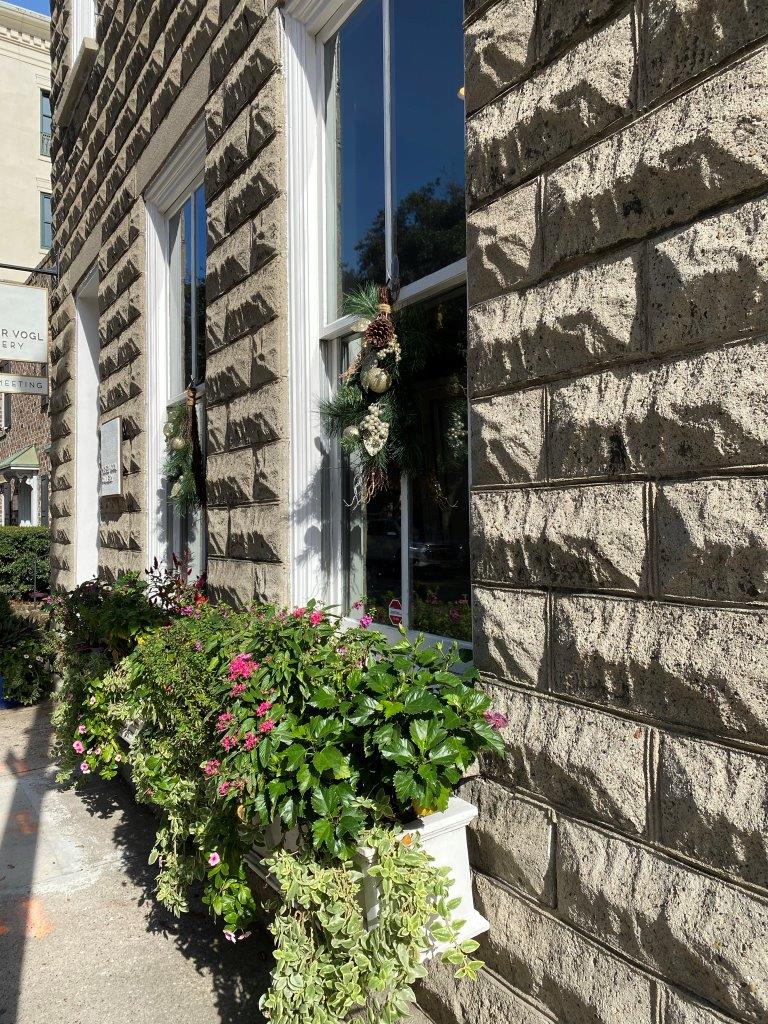
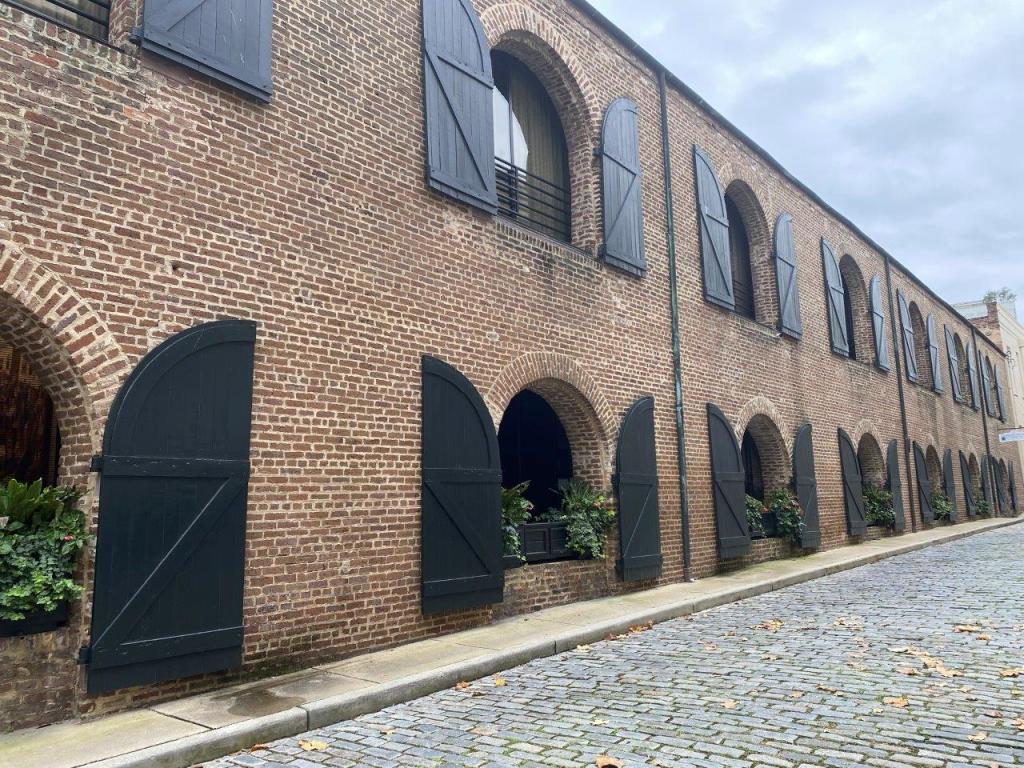
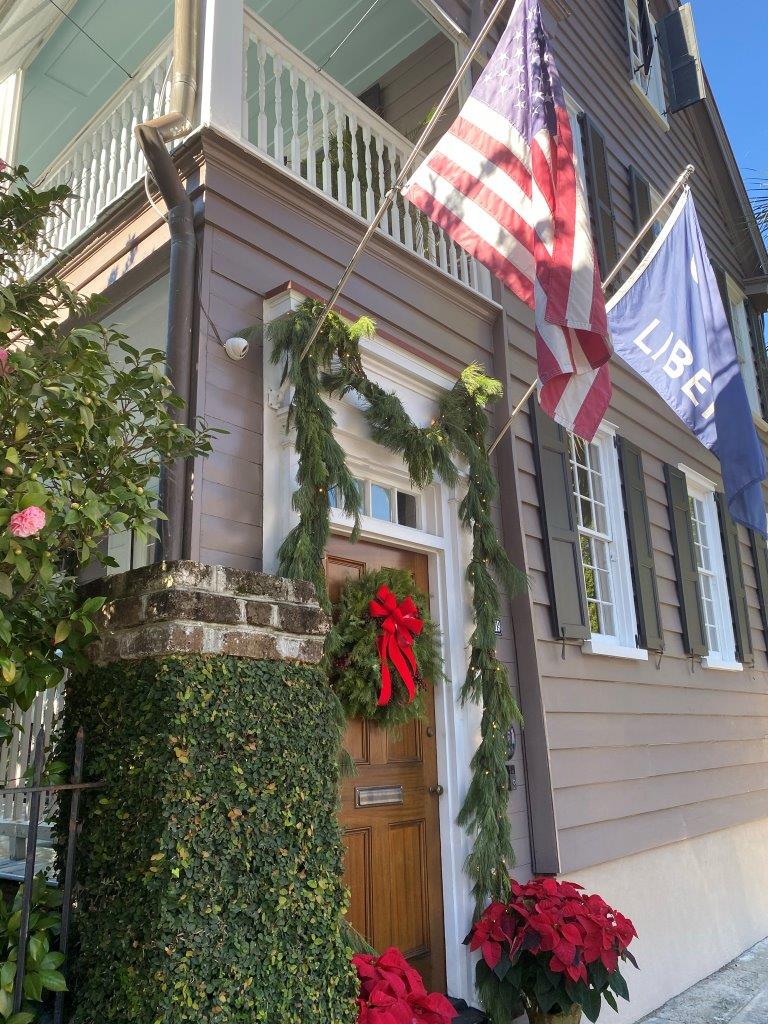
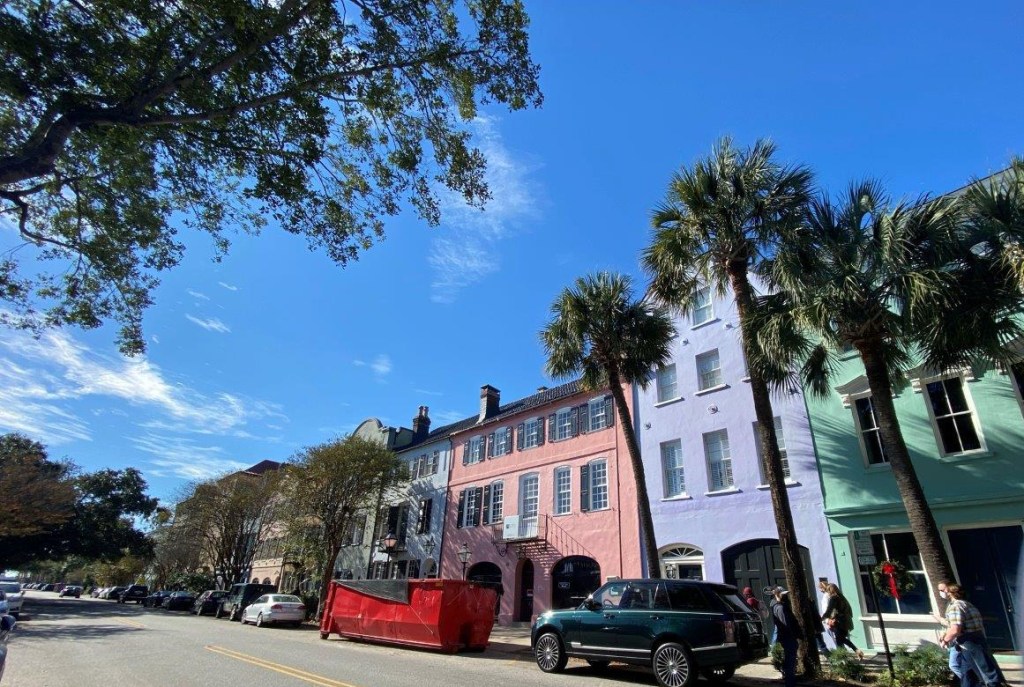
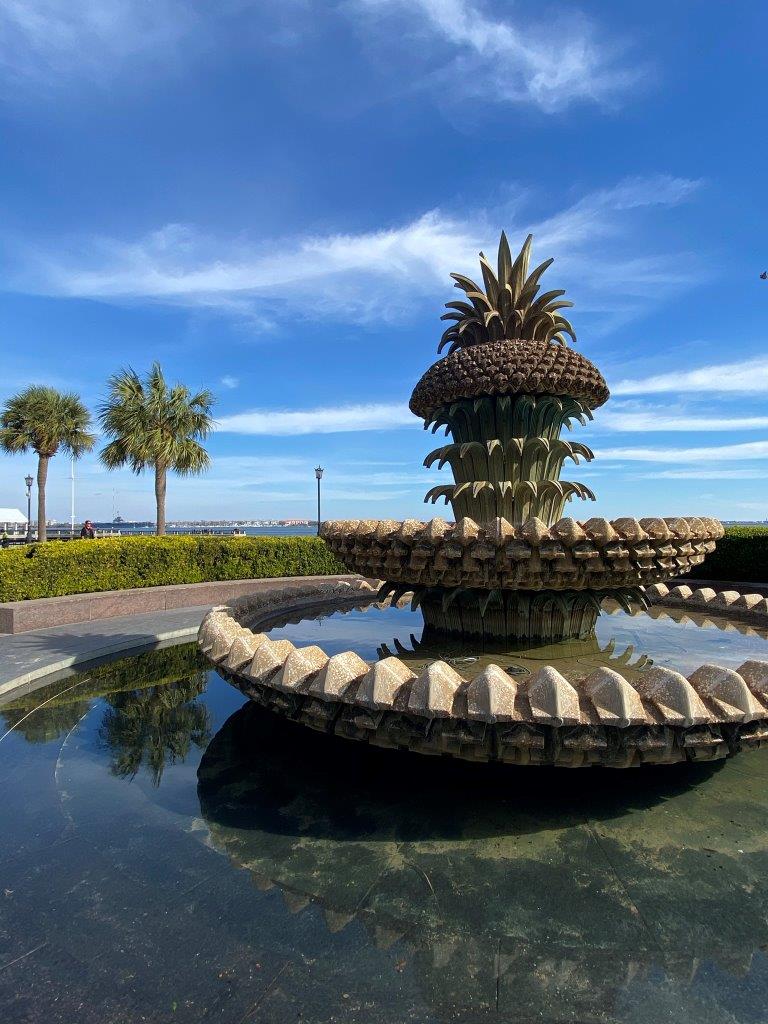
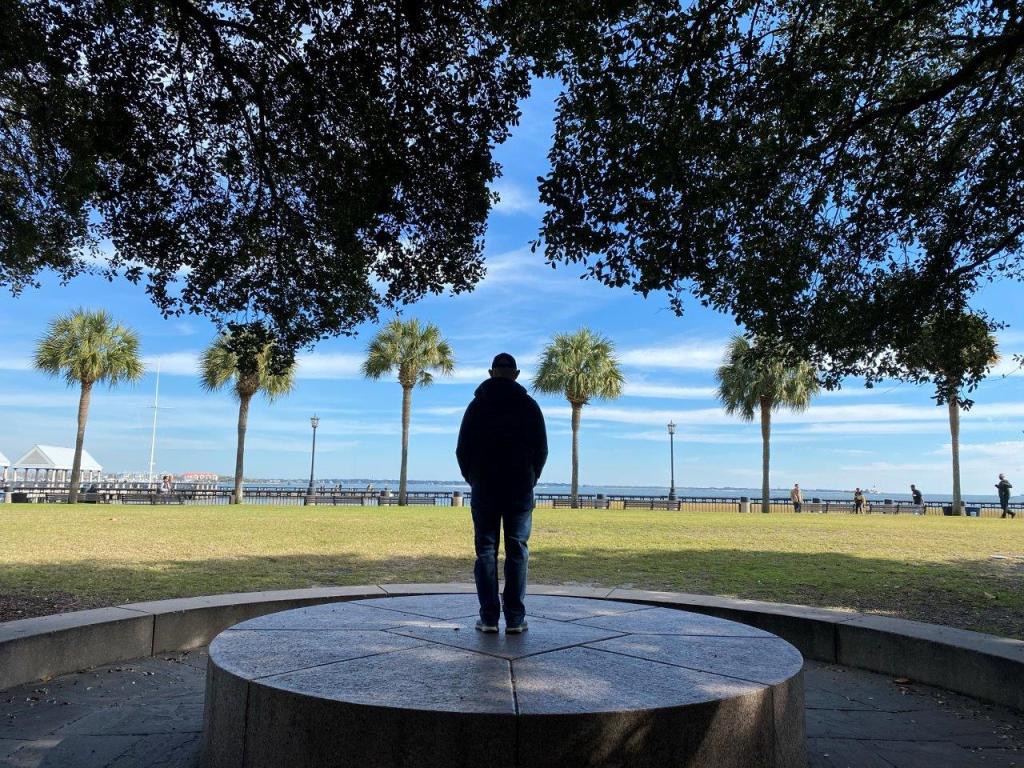
After the tour, we walked to the Joe Riley Waterfront to see the famous Pineapple Fountain. Also, we wanted to try out the Echo Stone we saw during our ghost tour. When you step onto the center of the stone and face toward the water, you will hear your voice echo back when you speak!
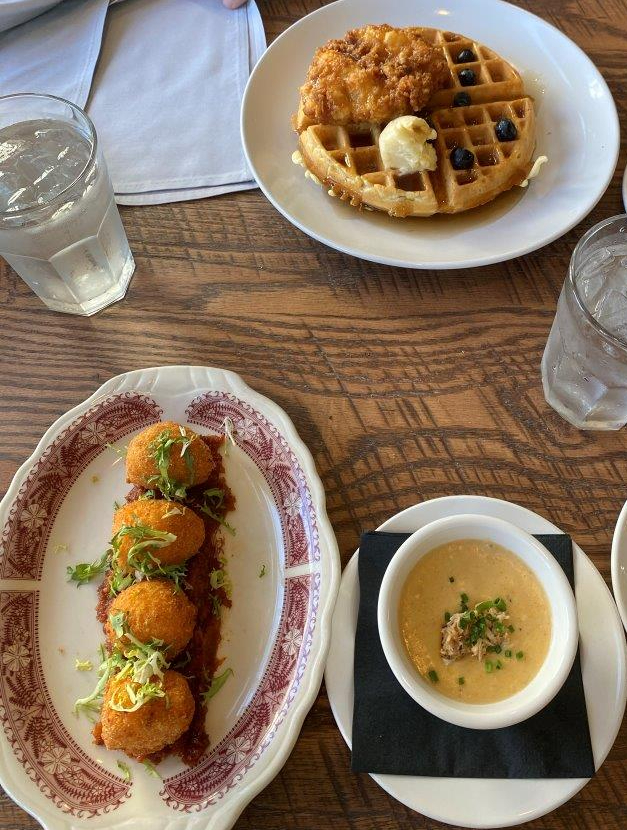
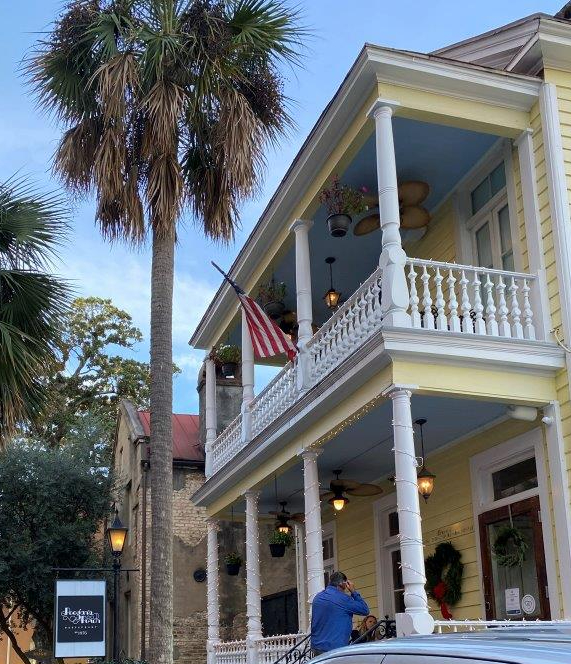
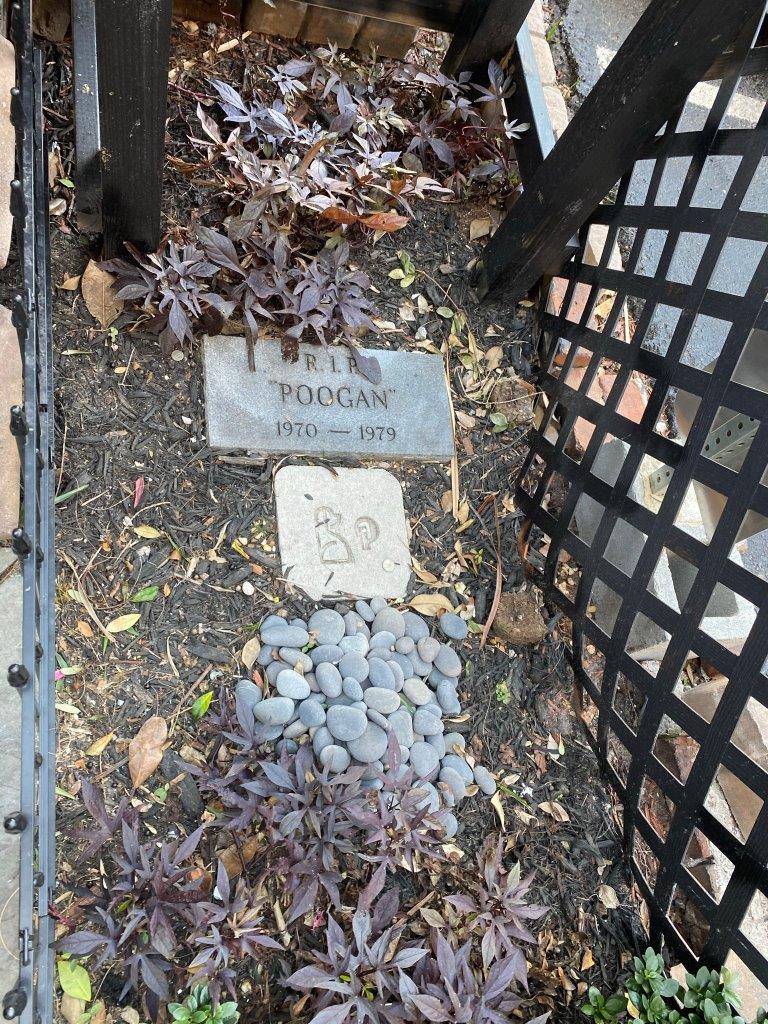
Then it was time for lunch at Poogan’s Porch. The restaurant was formerly a house built in 1891. The restaurant was named for the neighborhood dog “Poogan” whose favorite spot was the porch of this particular house. Poogan passed away from natural causes in 1979 and is buried next to his beloved porch.
We then walked through the City Market and stopped for coffee at Bitty & Beau’s before walking to Liberty Square to board the ferry to Fort Sumter. You can purchase tickets in advance here https://fortsumtertours.com/
At Liberty Square, there is a Fort Sumter Visitor Education Center that contained some really interesting historical exhibits that you can see before boarding the ferry to the fort.
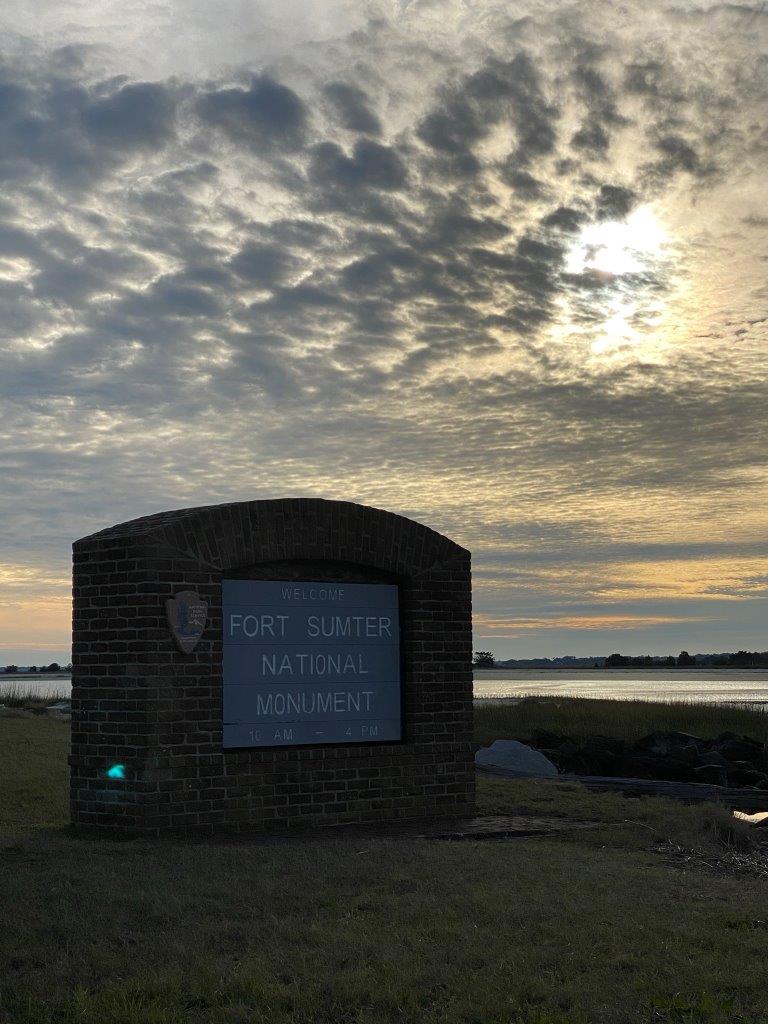
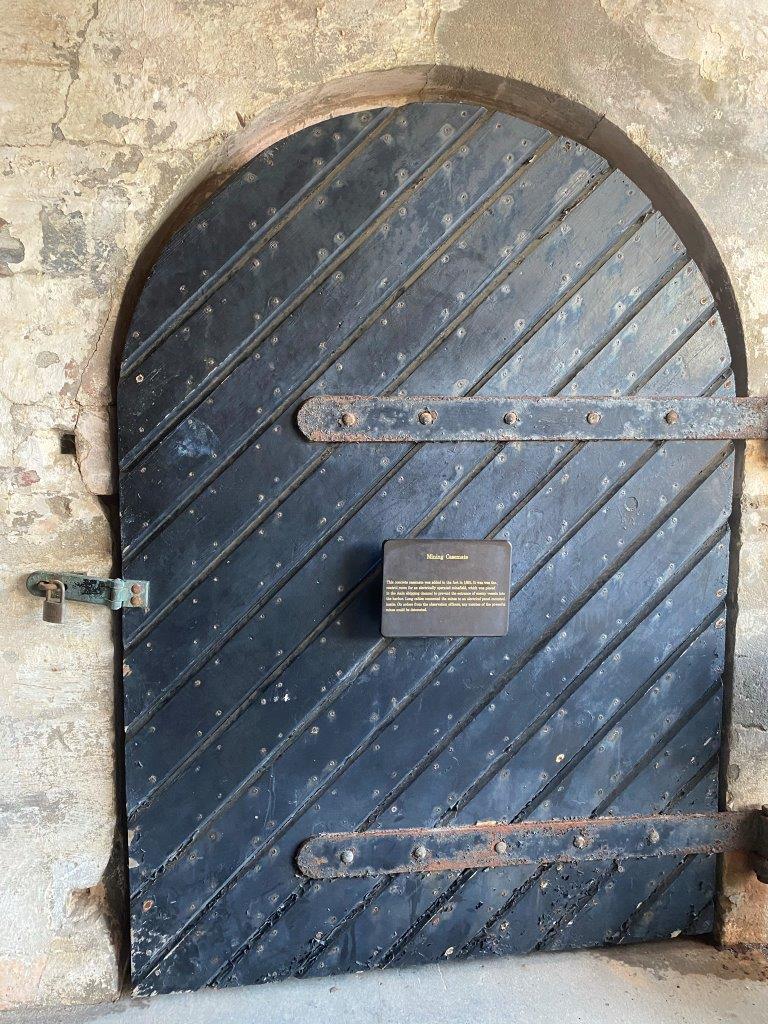
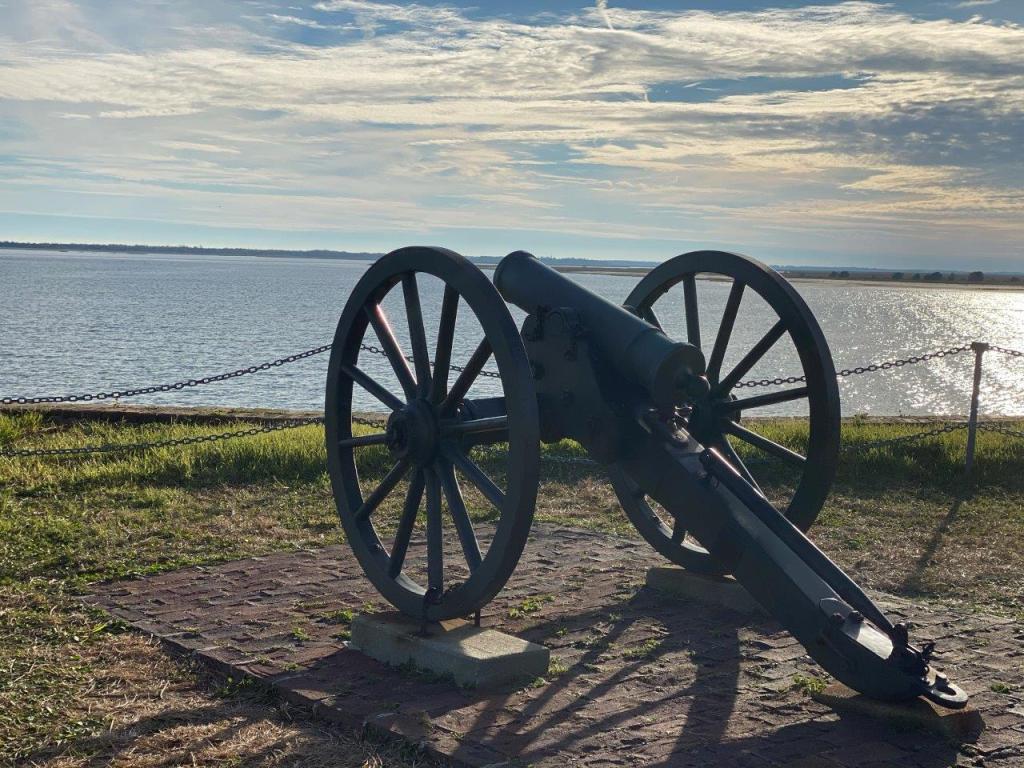
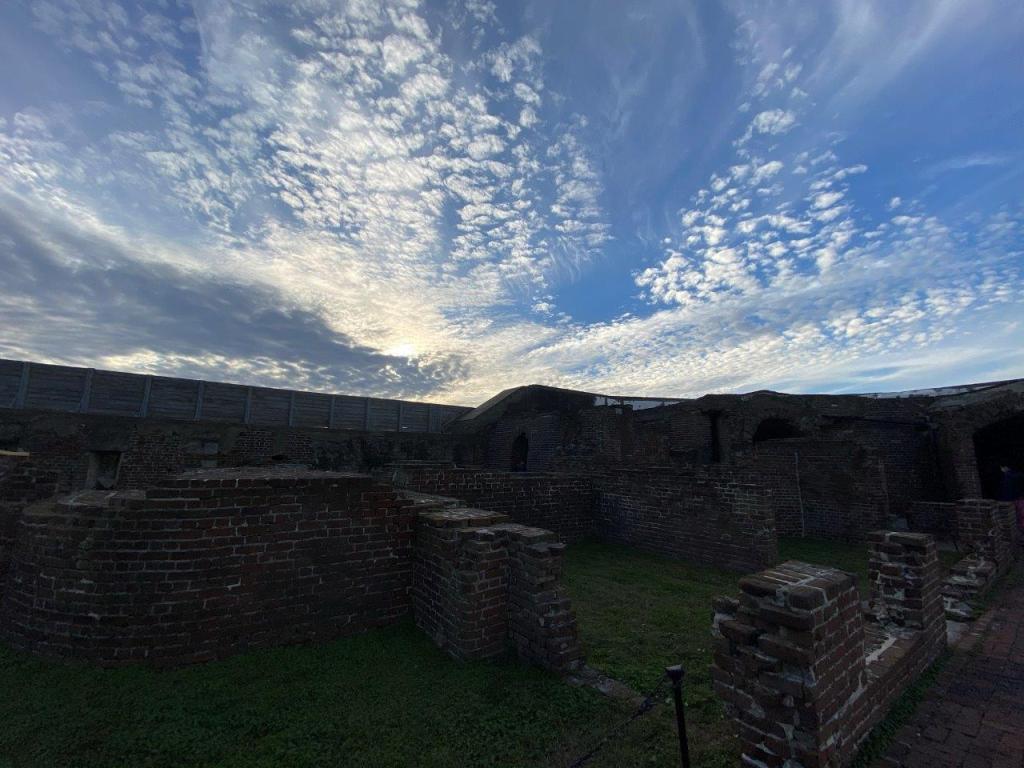
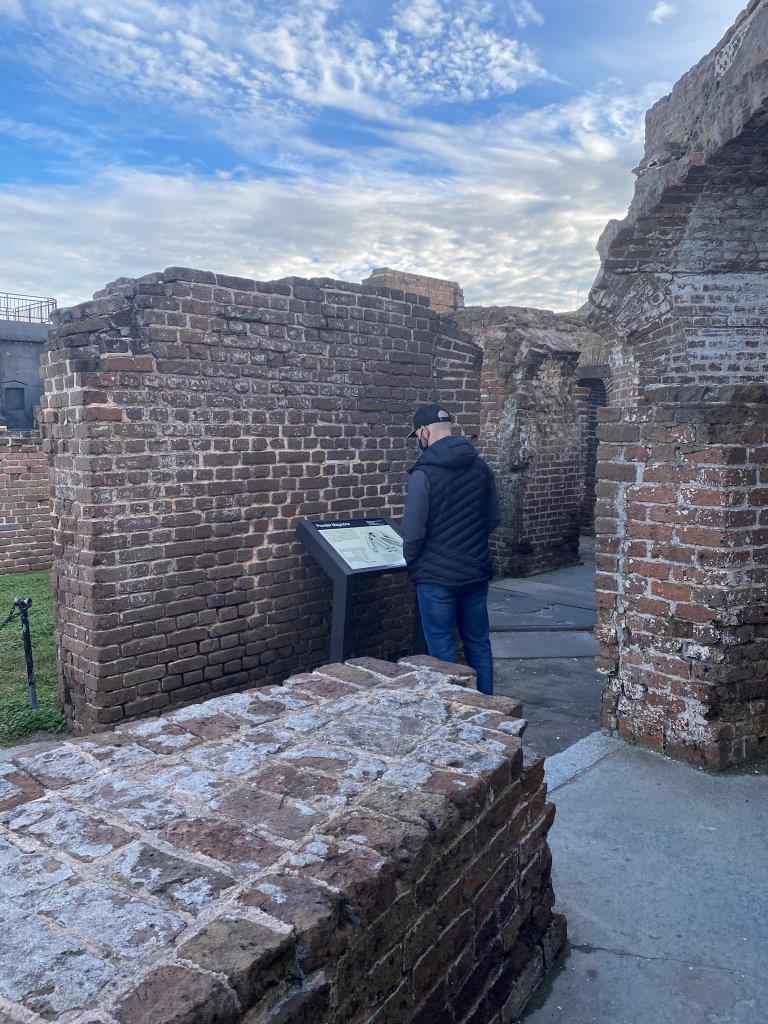
Upon arrival to the fort, we walked to the flagpole and watched the end of day flag lowering ceremony which was very moving. Once the ceremony was over, we walked around the fort and took in some of the history of the fort.
- The fort was built to protect the Charleston Harbor. Construction of the man-made island began in 1829.
- Confederate forces fired the first shots of the Civil War upon Federal troops at Fort Sumter at 4:30 a.m. on April 12, 1861.
- Confederate soldiers kept the US Army and Navy at bay for 587 days after those first shots were fired.
- In the summer of 1863, Federal forces gained control of nearby Morris Island and then came the attack of Charleston and Fort Sumter.
- The Siege of Charleston continued until February 17, 1865, the longest siege in US military history.
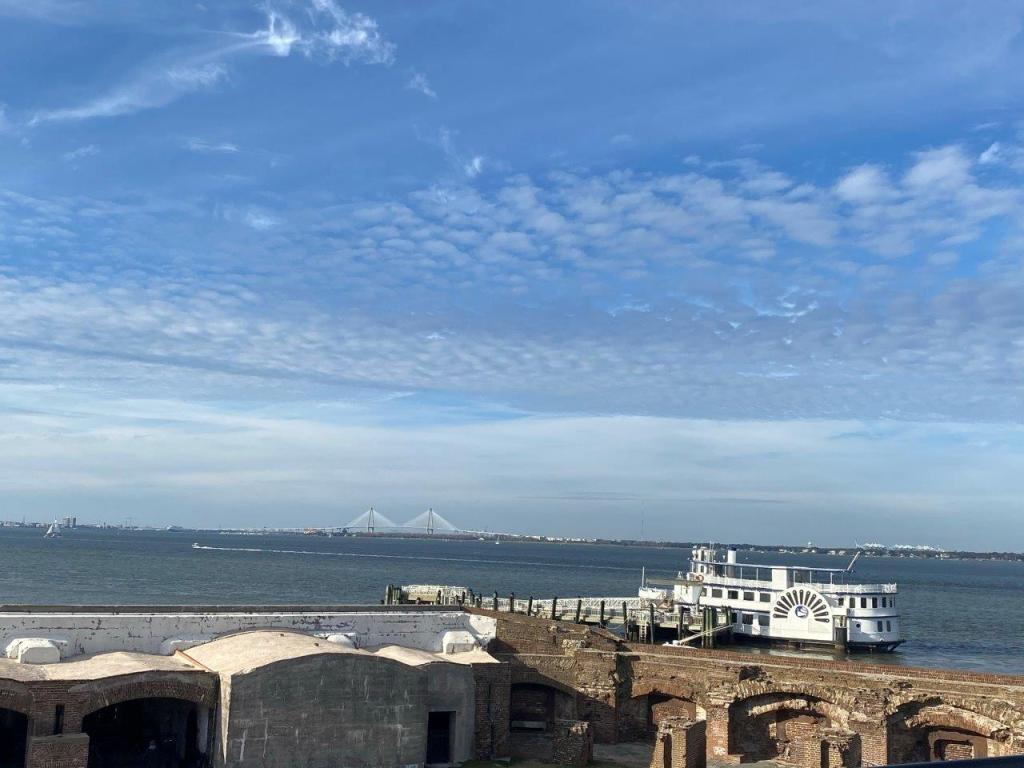
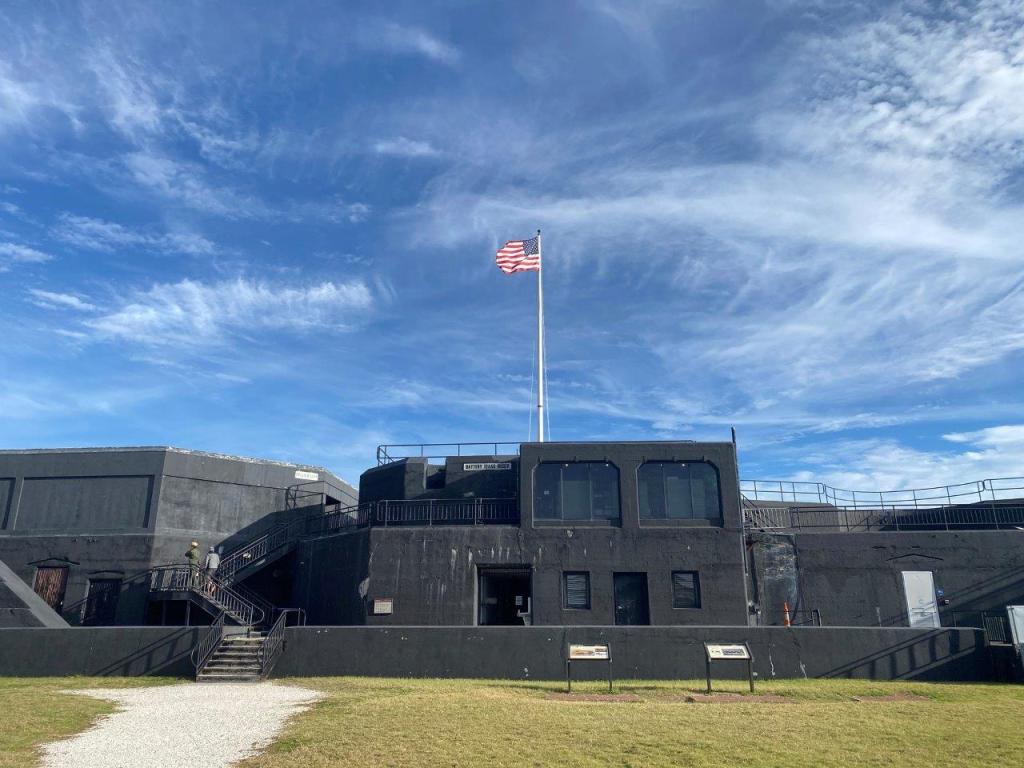
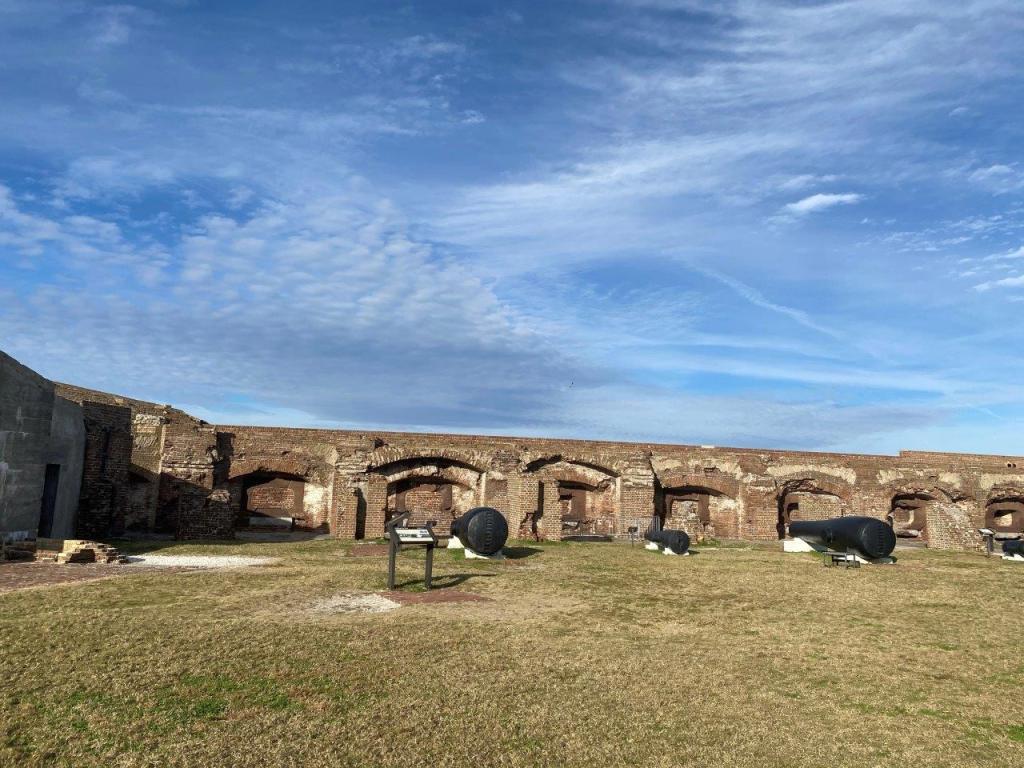
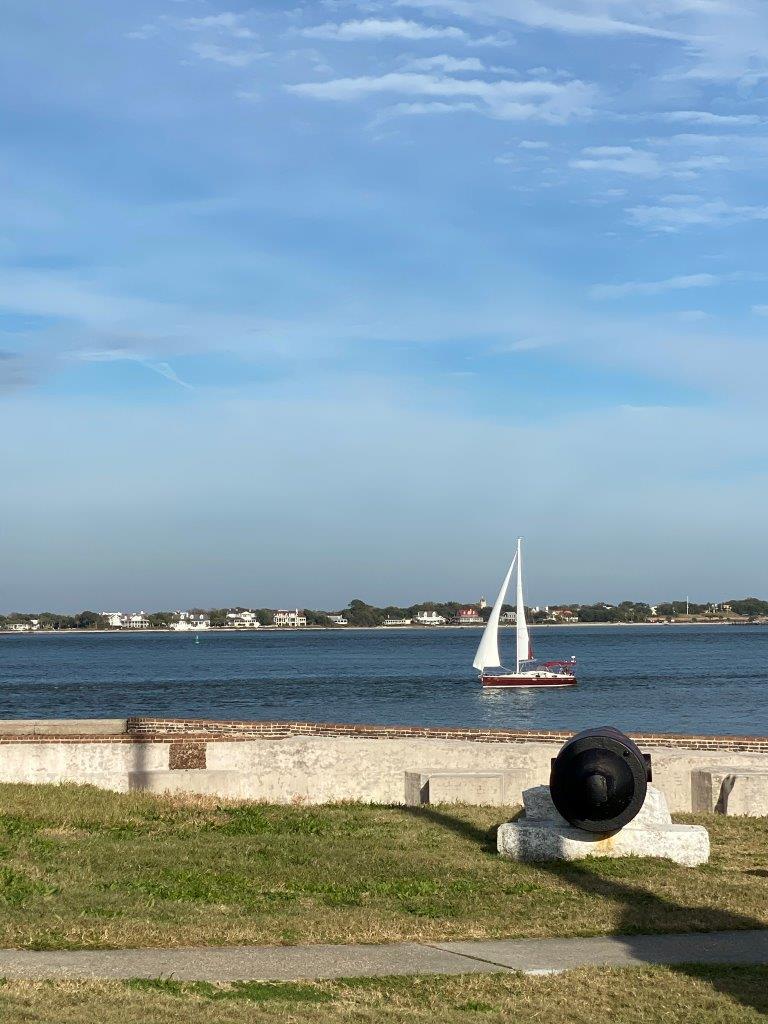
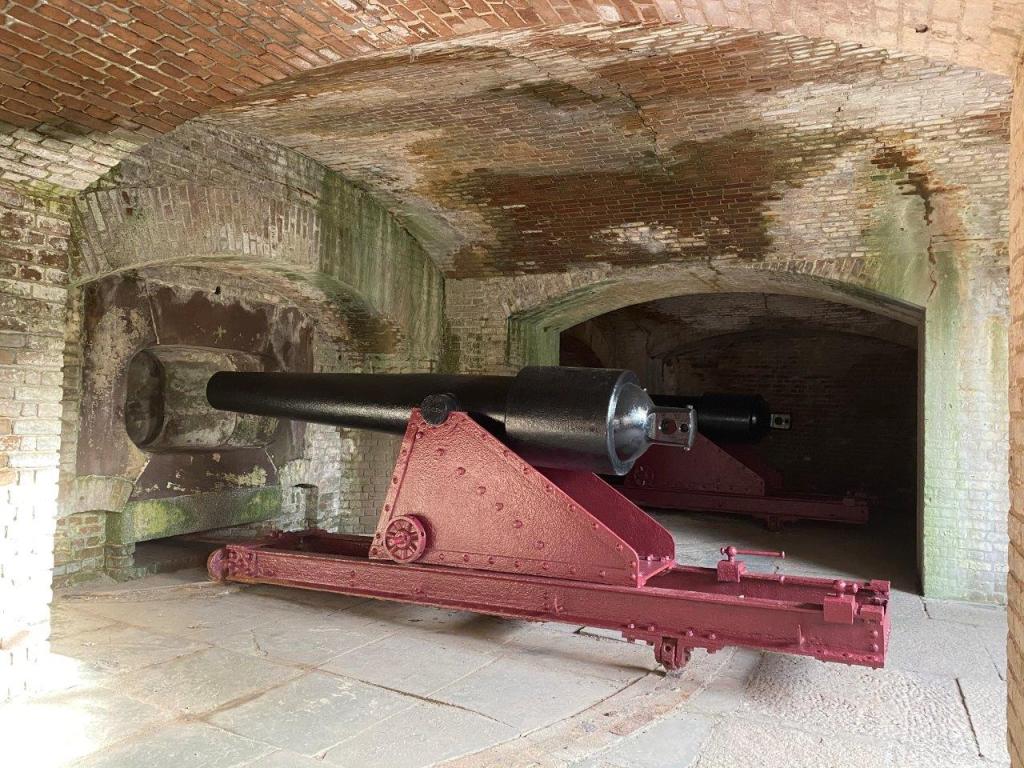
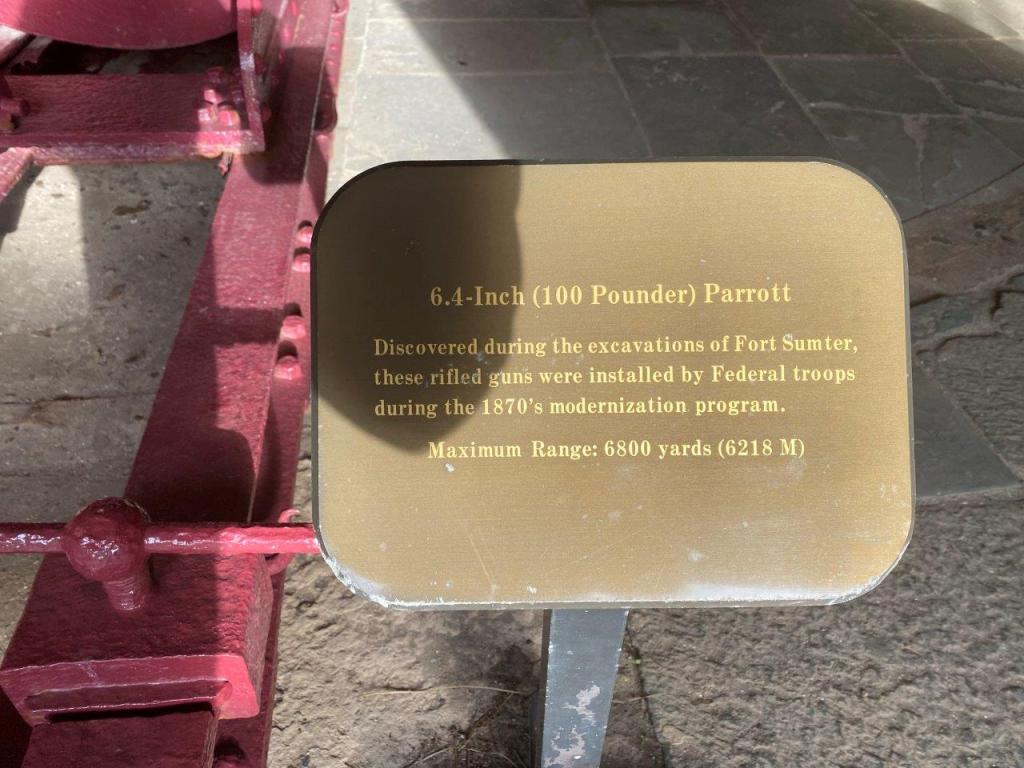
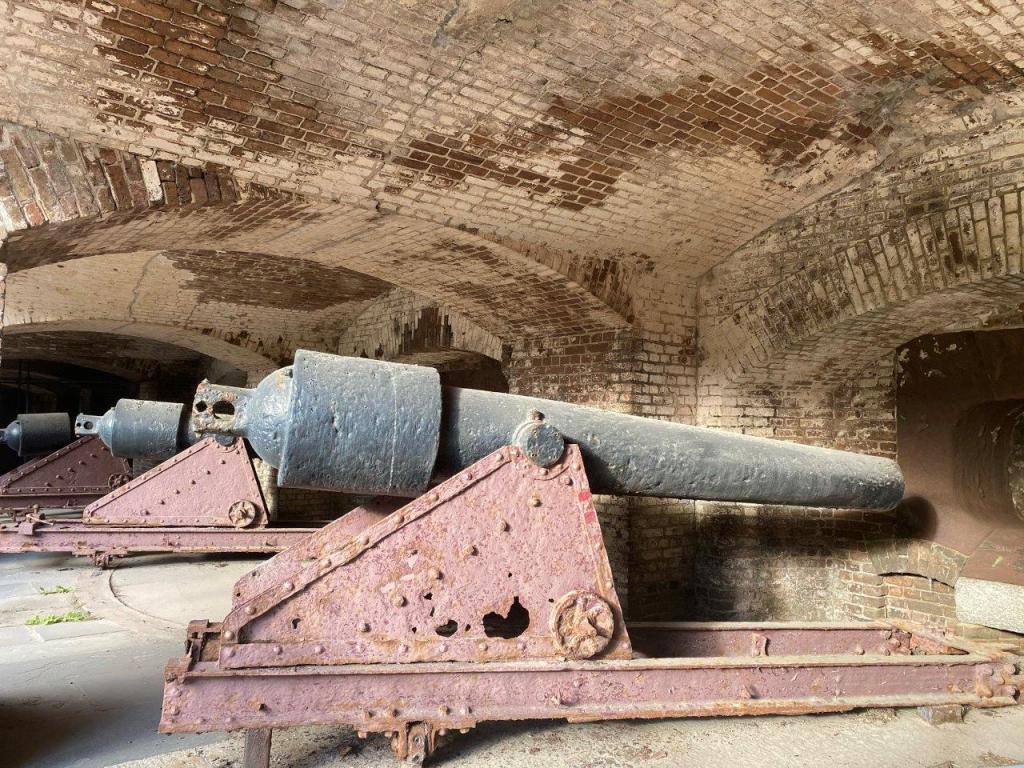
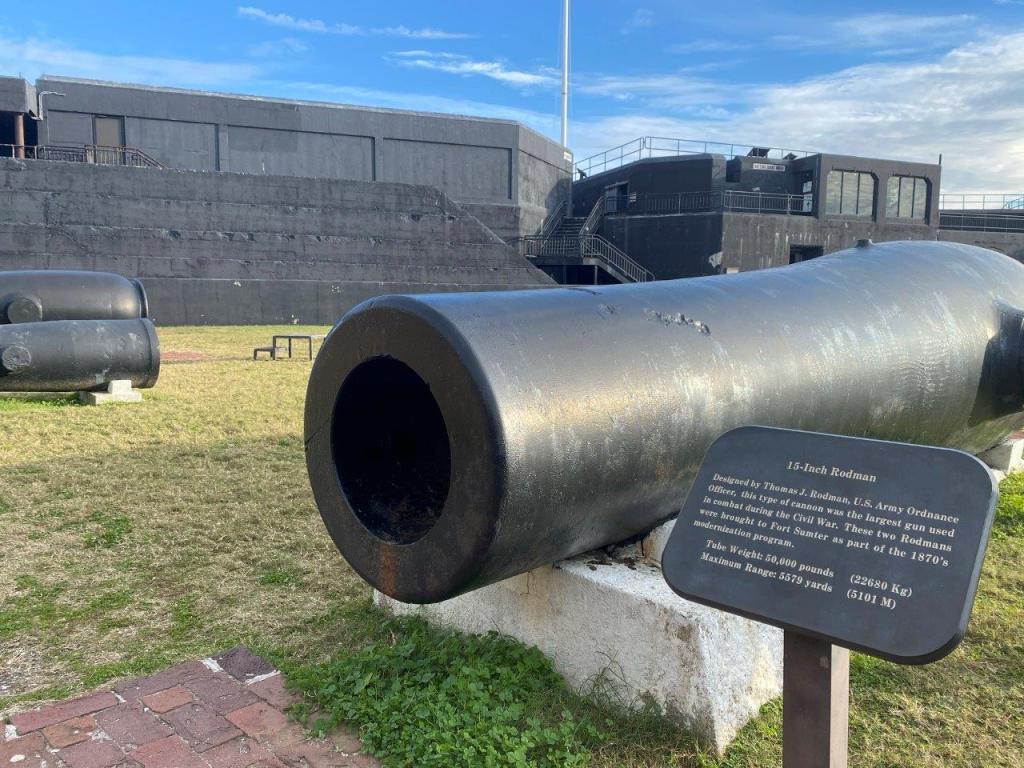
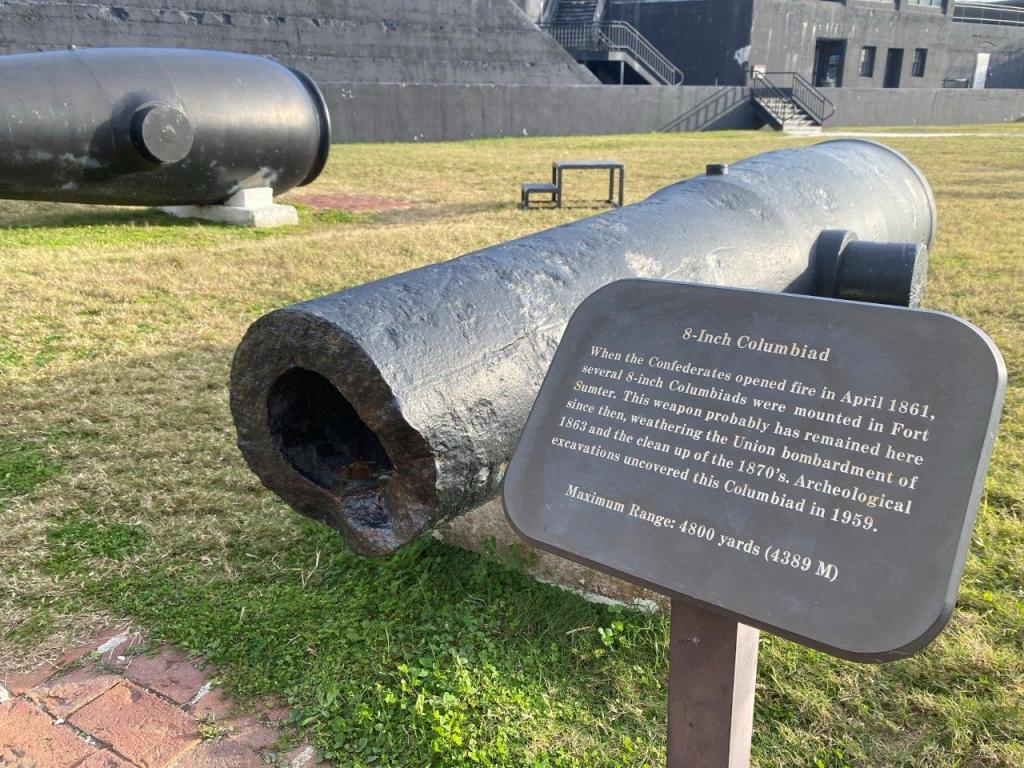
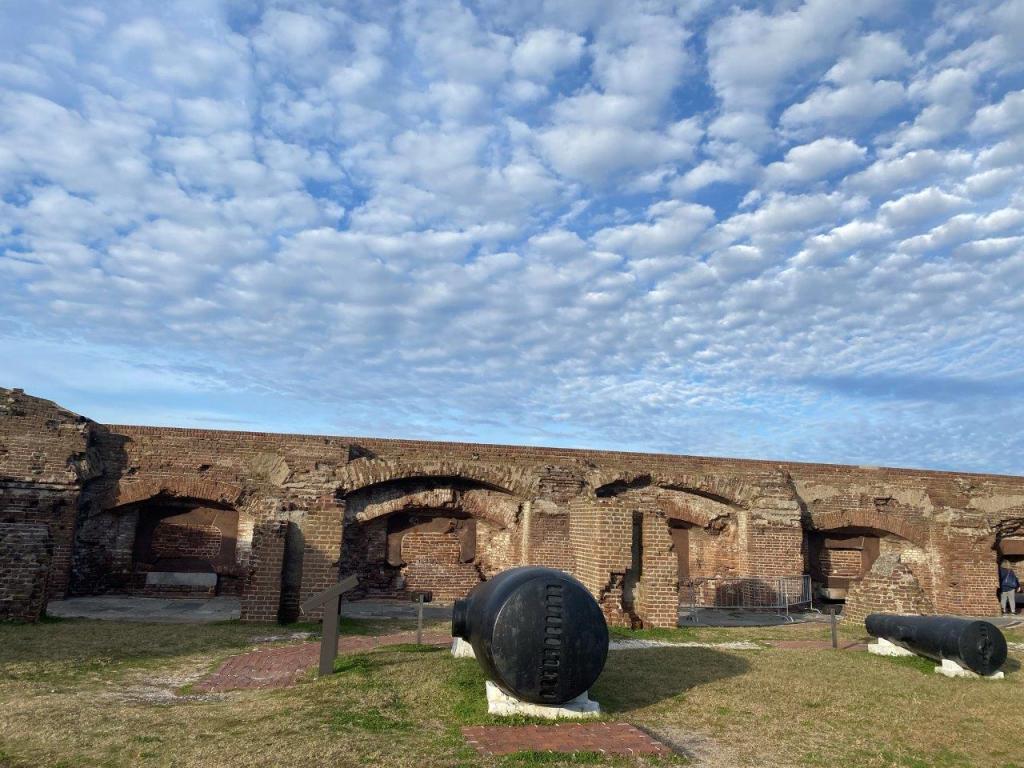
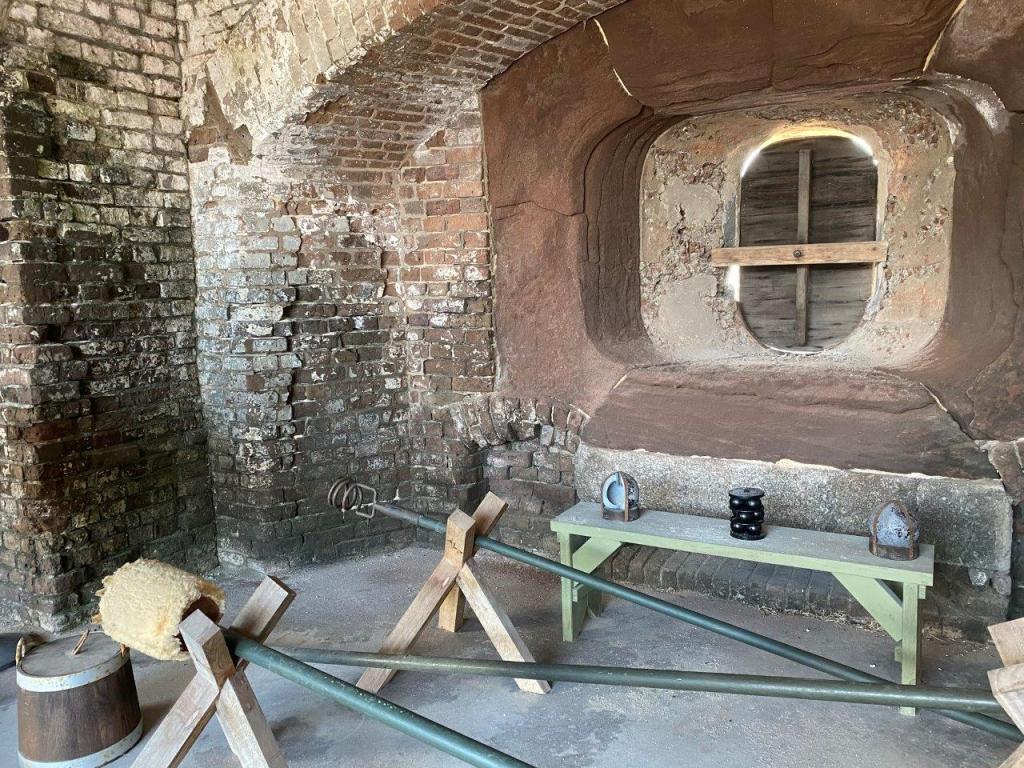
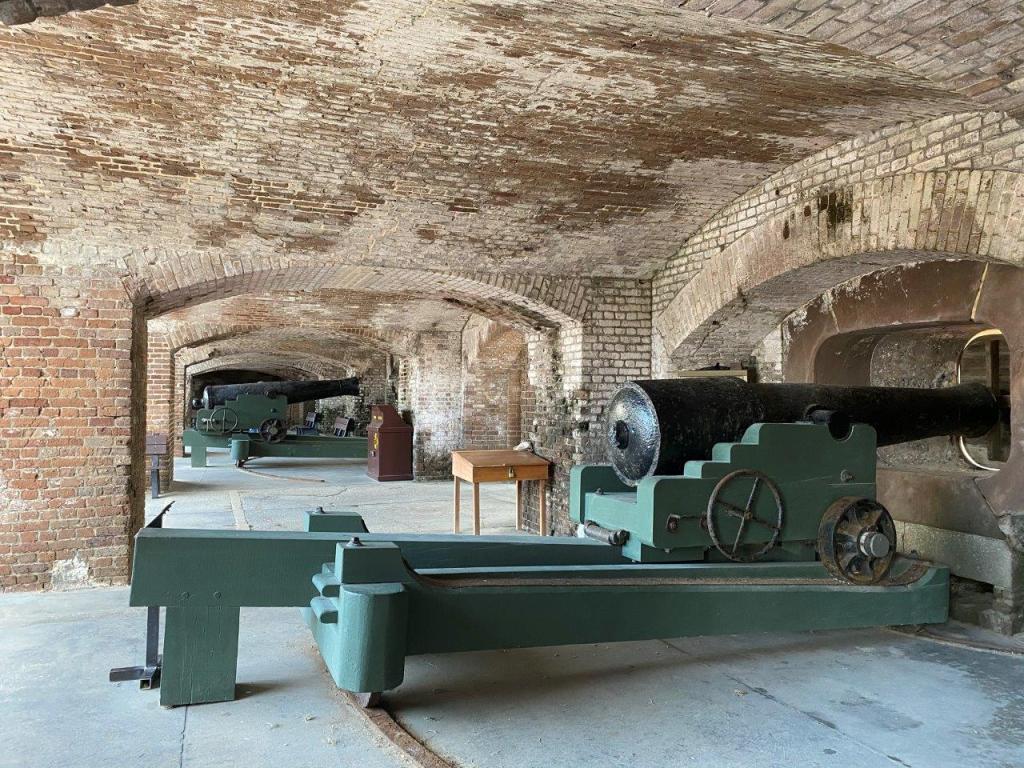
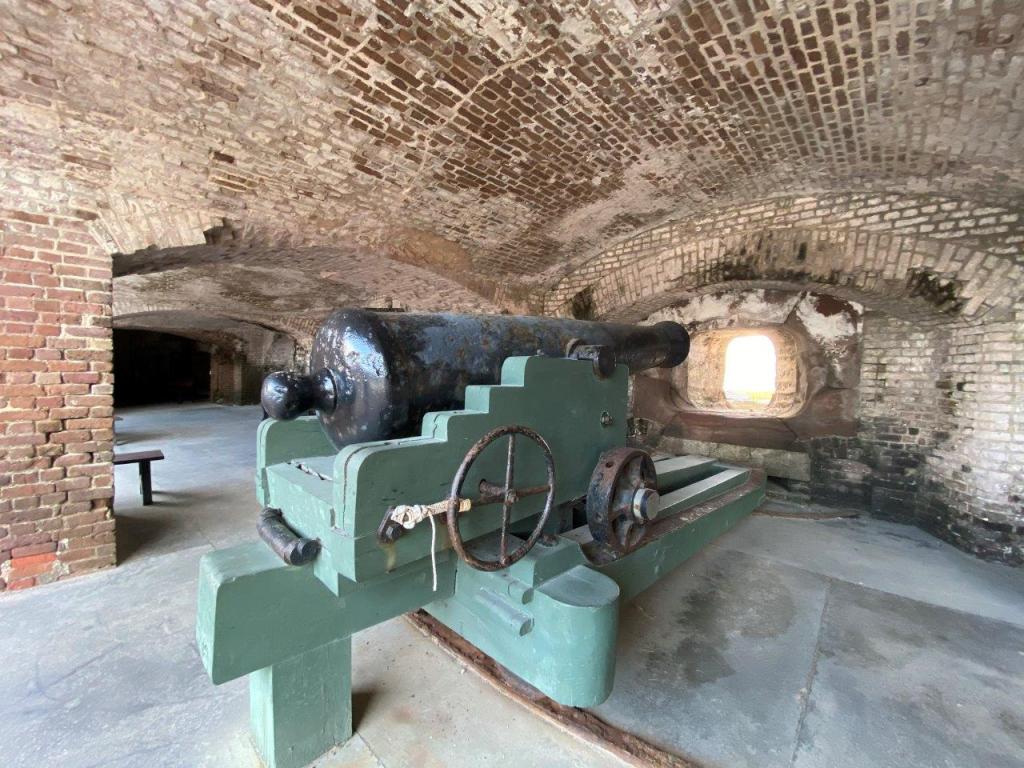
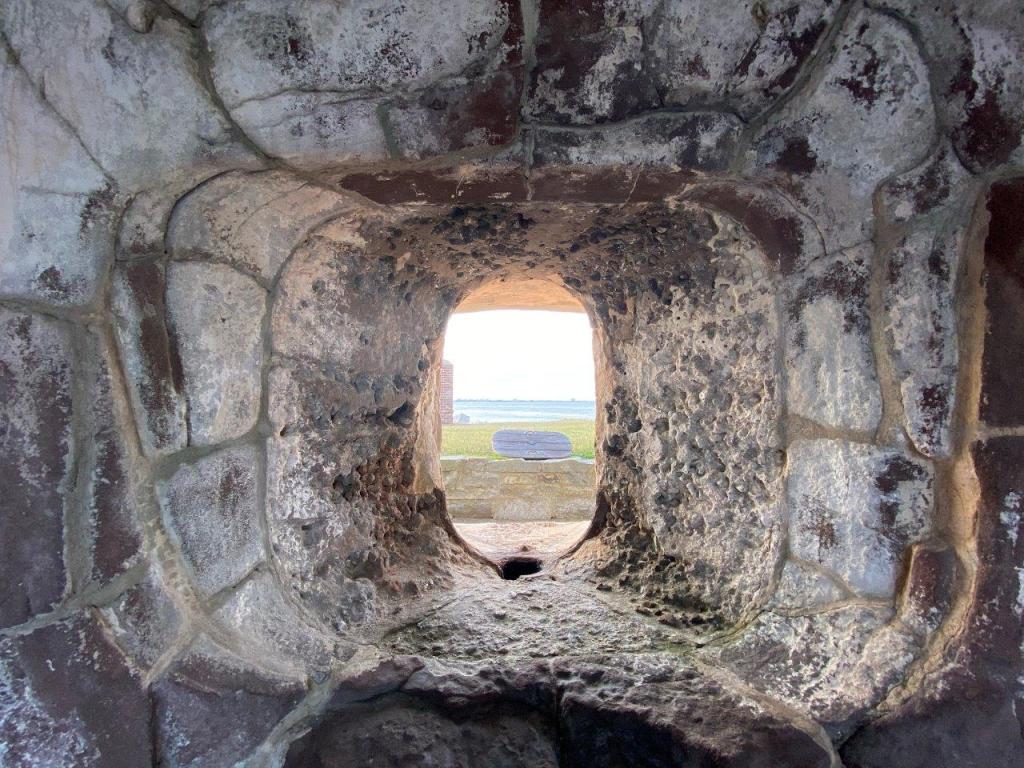
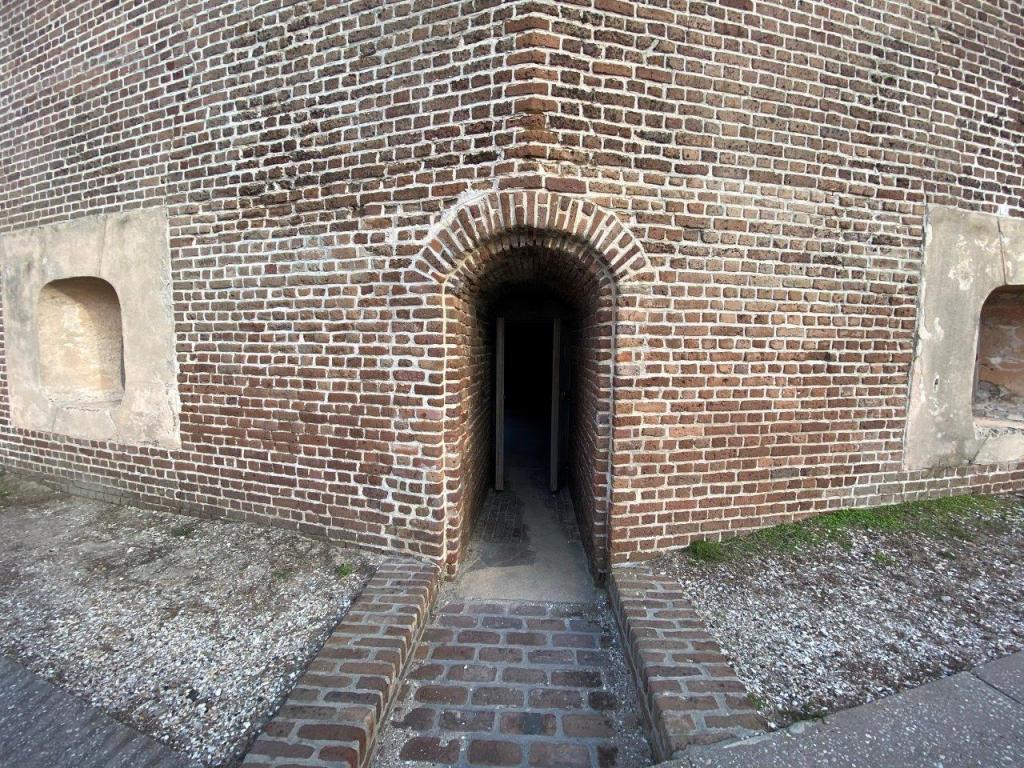
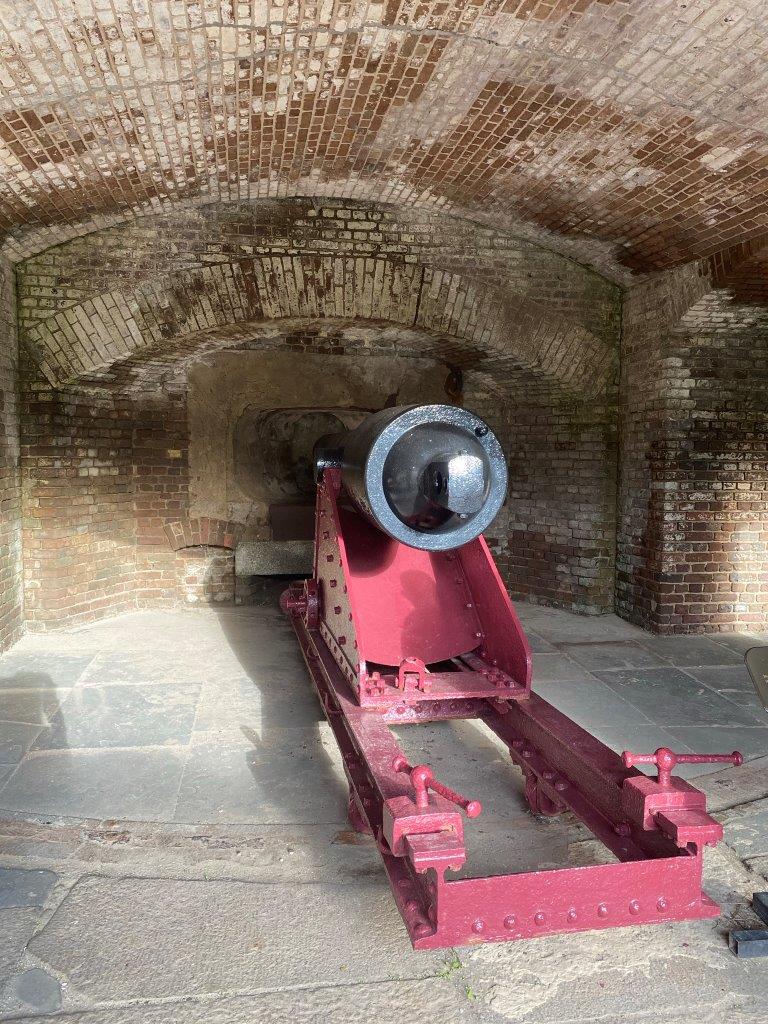
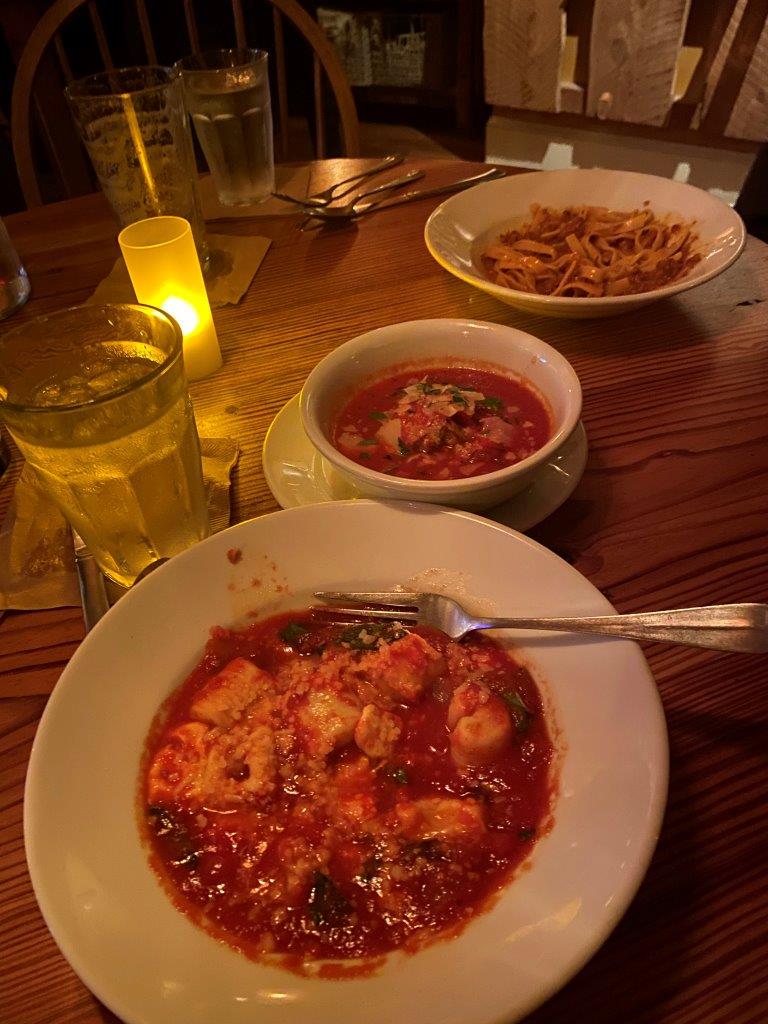
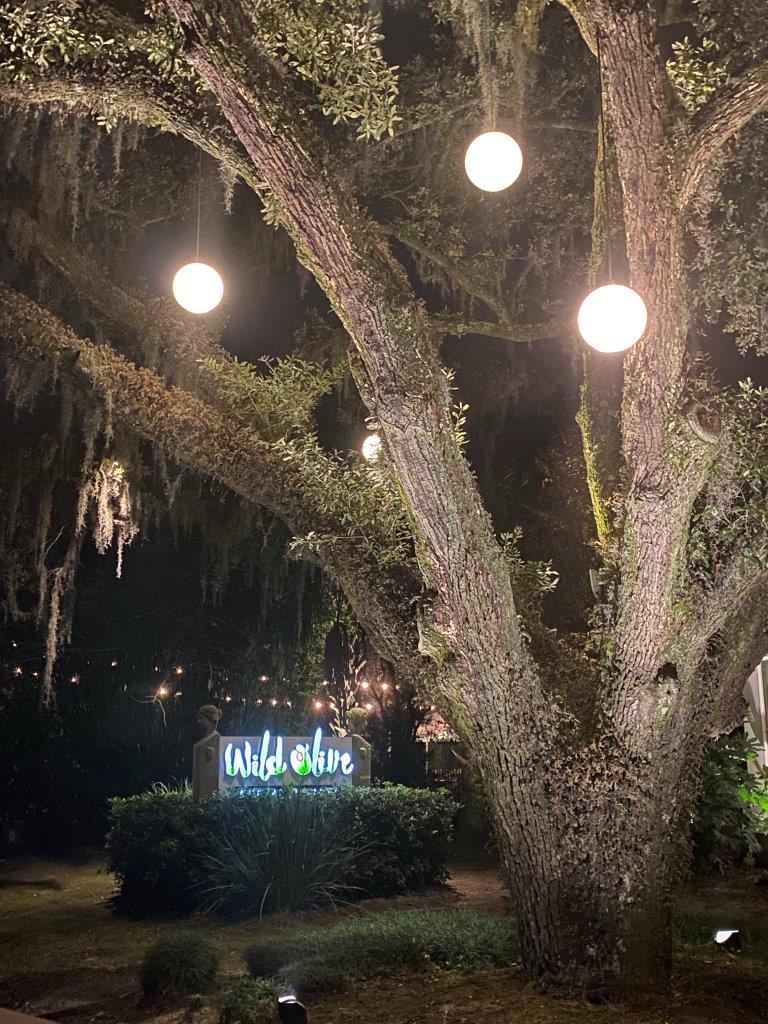
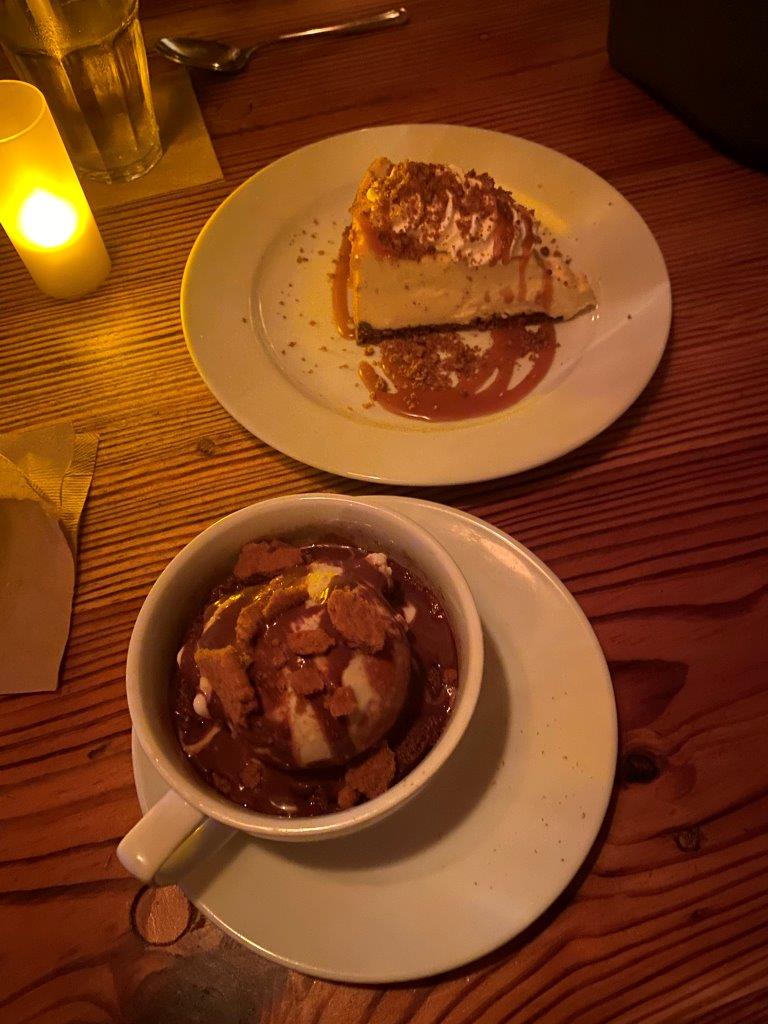
After returning from Fort Sumter, we walked back to our hotel to get our car. We then drove to St. John’s Island for an Italian dinner at Wild Olive. It was recommended to us by our waiter at Leon’s Oyster Shop and it was great.
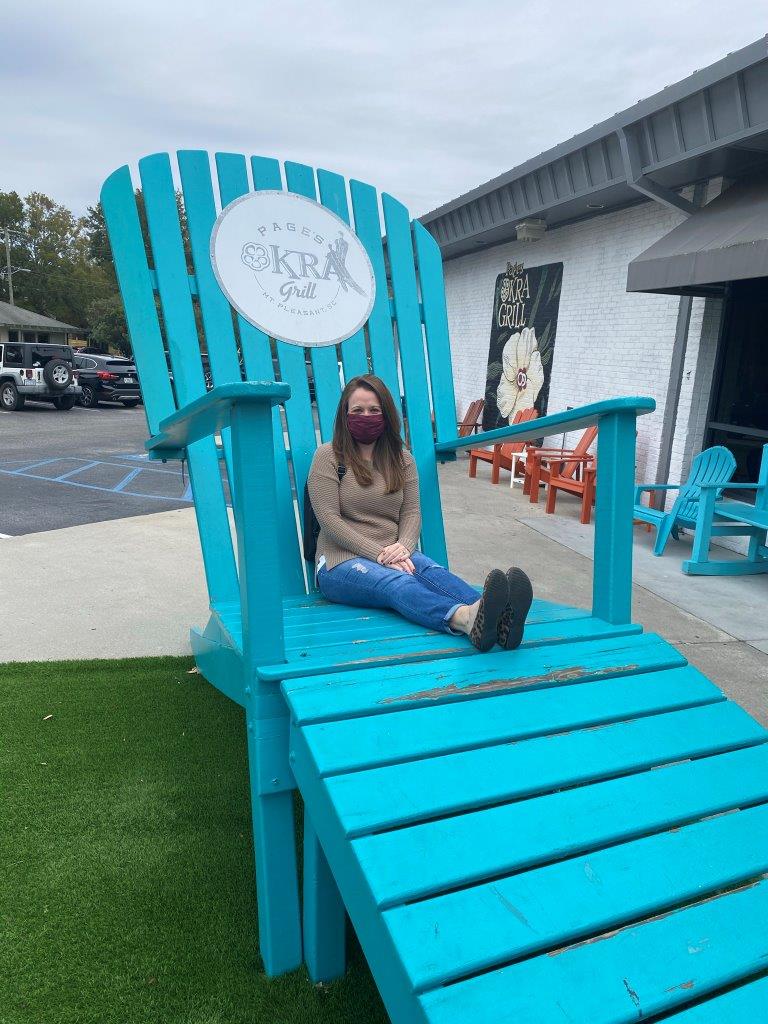
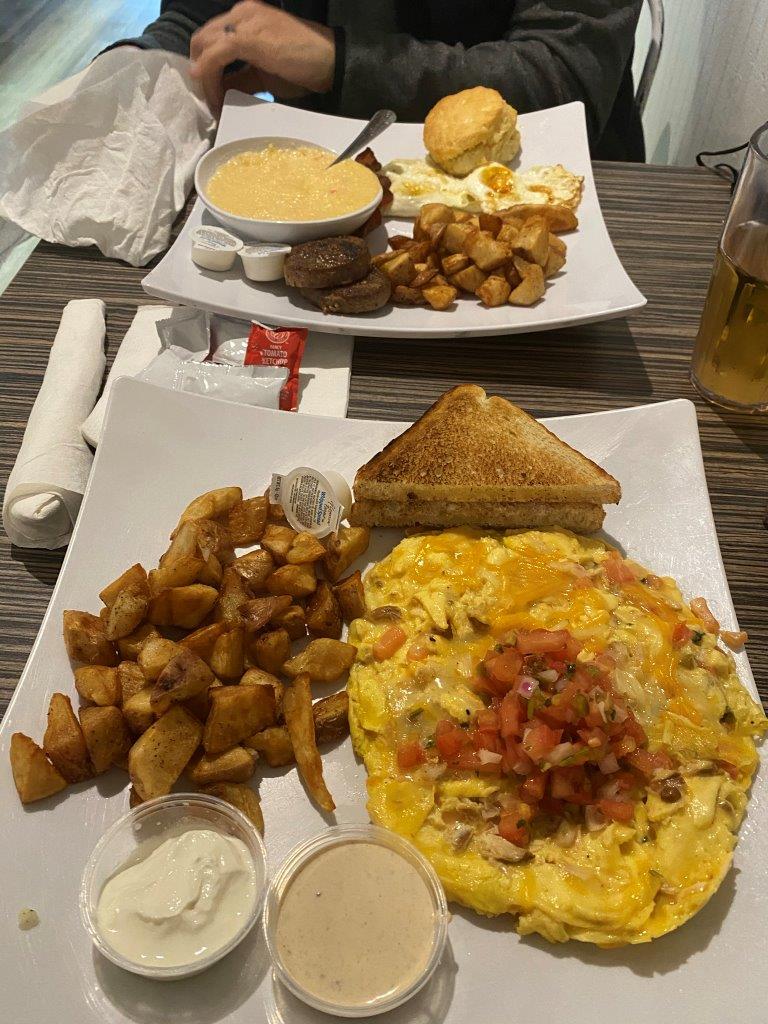
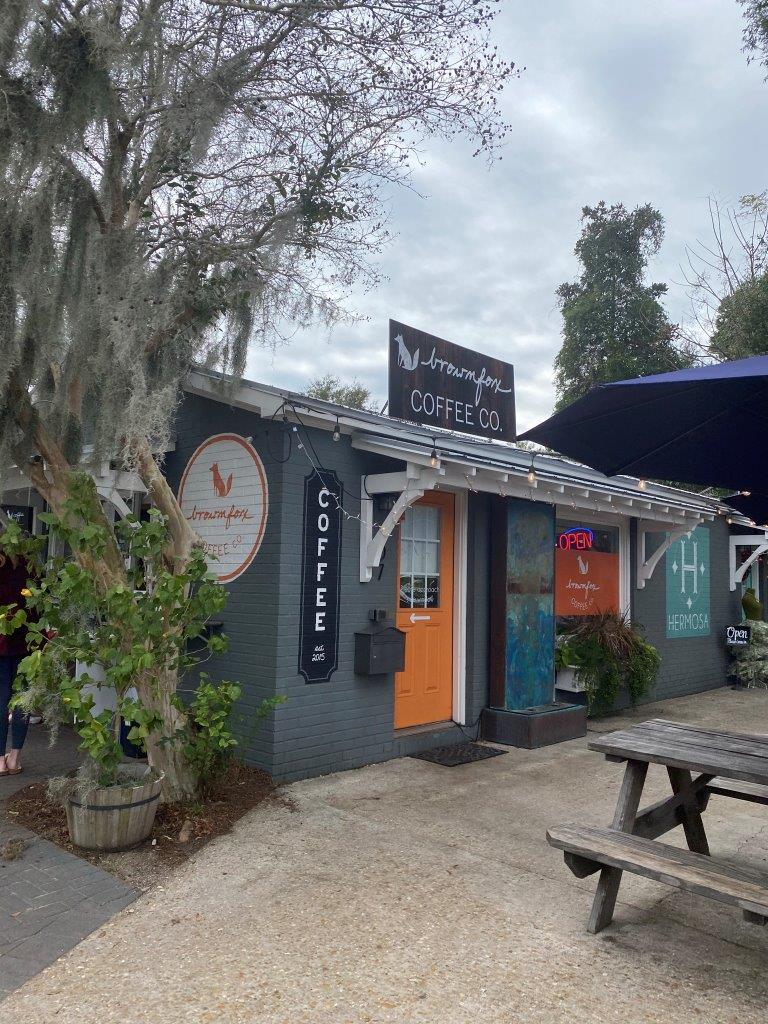
The next morning we decided on Page’s Okra Grill for breakfast in nearby Mt. Pleasant and then made a coffee stop at the Brown Fox Coffee Co.
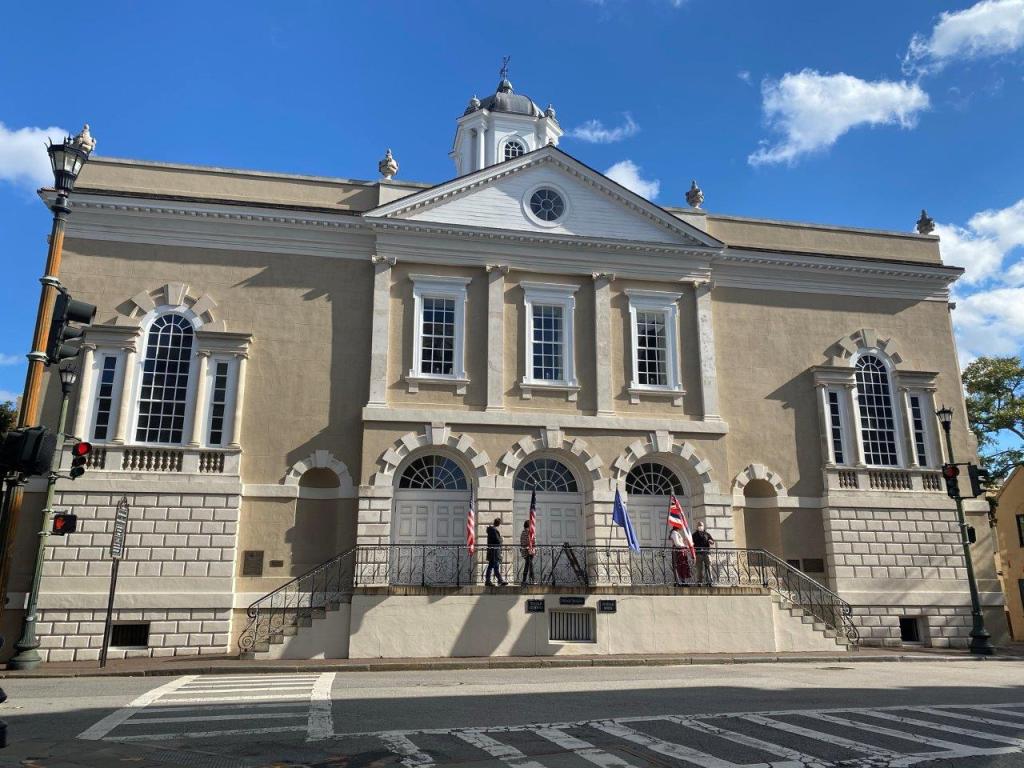
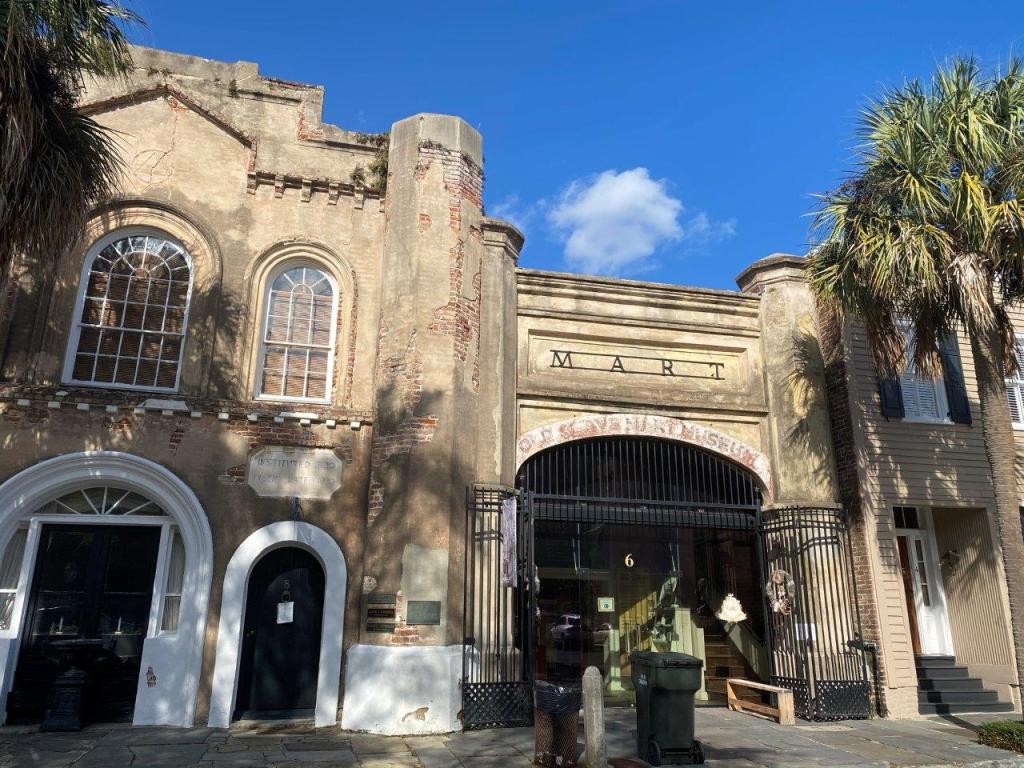
After a delicious breakfast and some caffeine, we drove back to downtown Charleston to tour both The Old Exchange & Provost Dungeon and the Old Slave Mart Museum. They were recommended to us by our walking tour guide Amy the previous day. Both are worth a visit for a look at Charleston’s part in our country’s history.
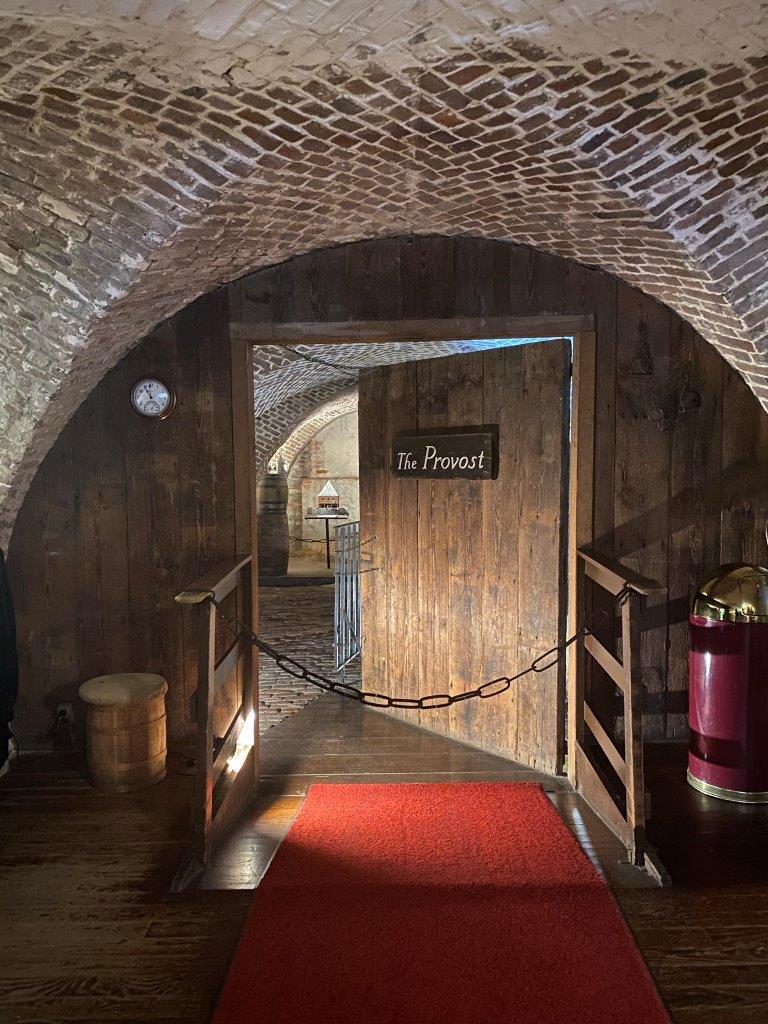
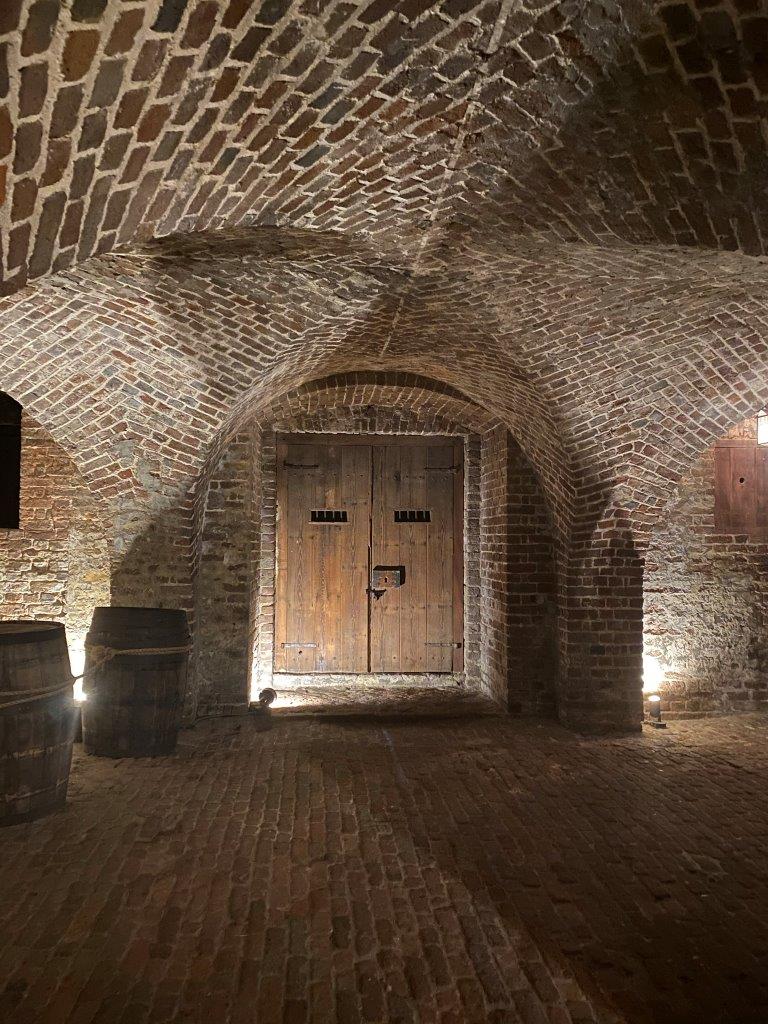
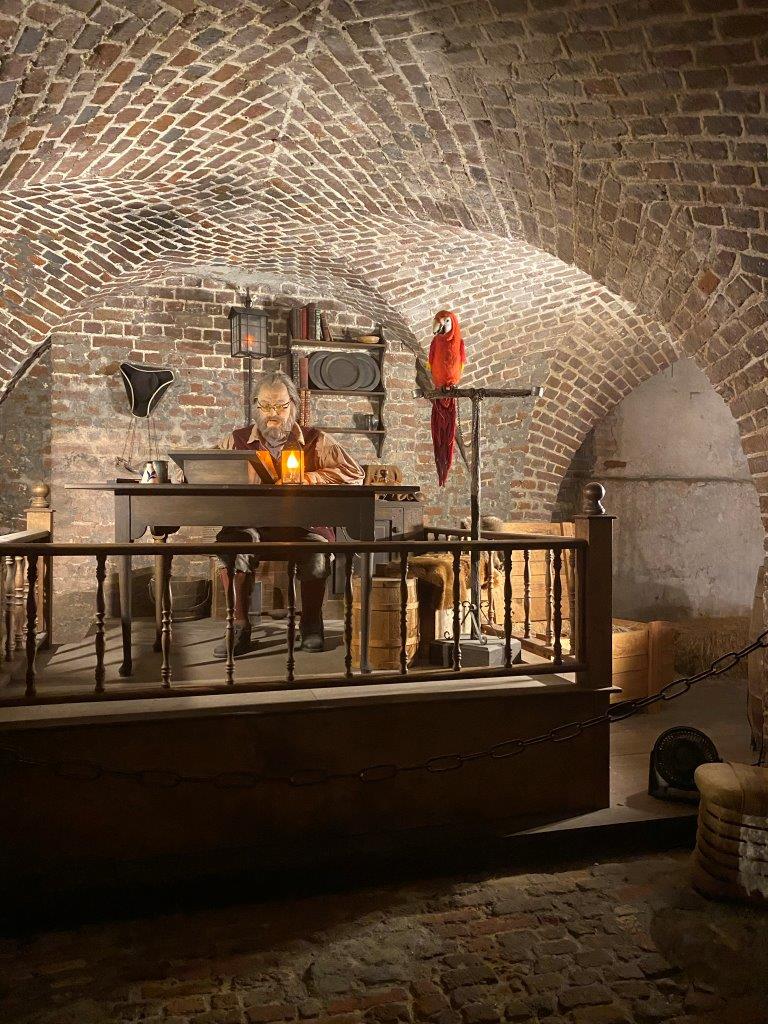
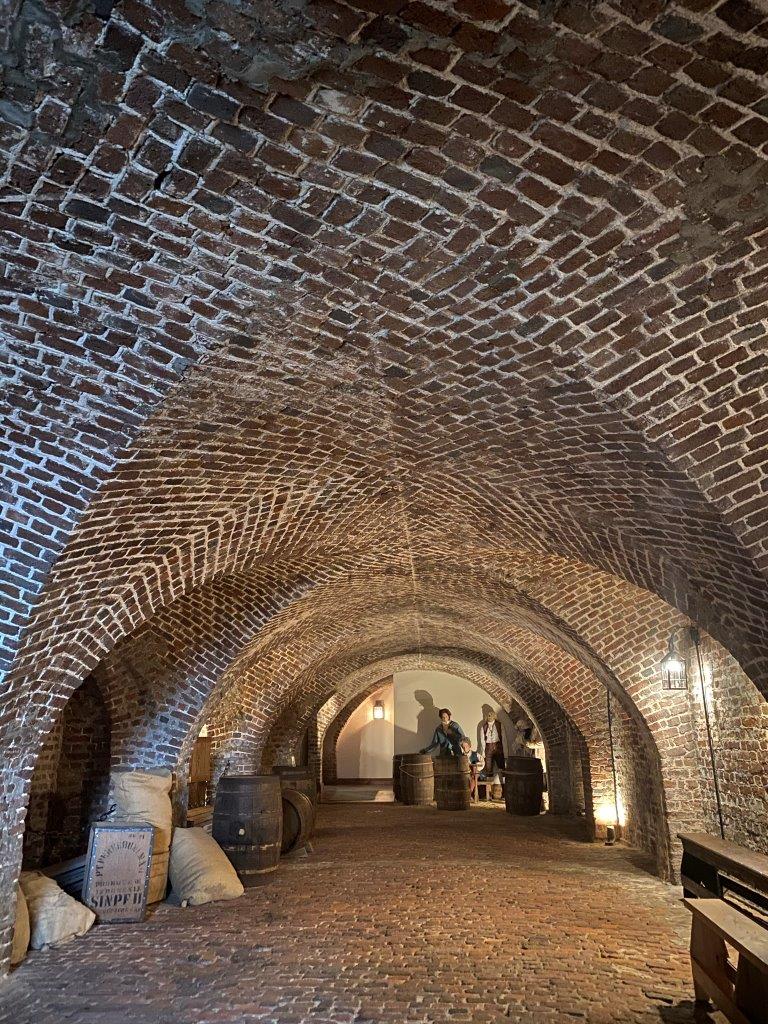
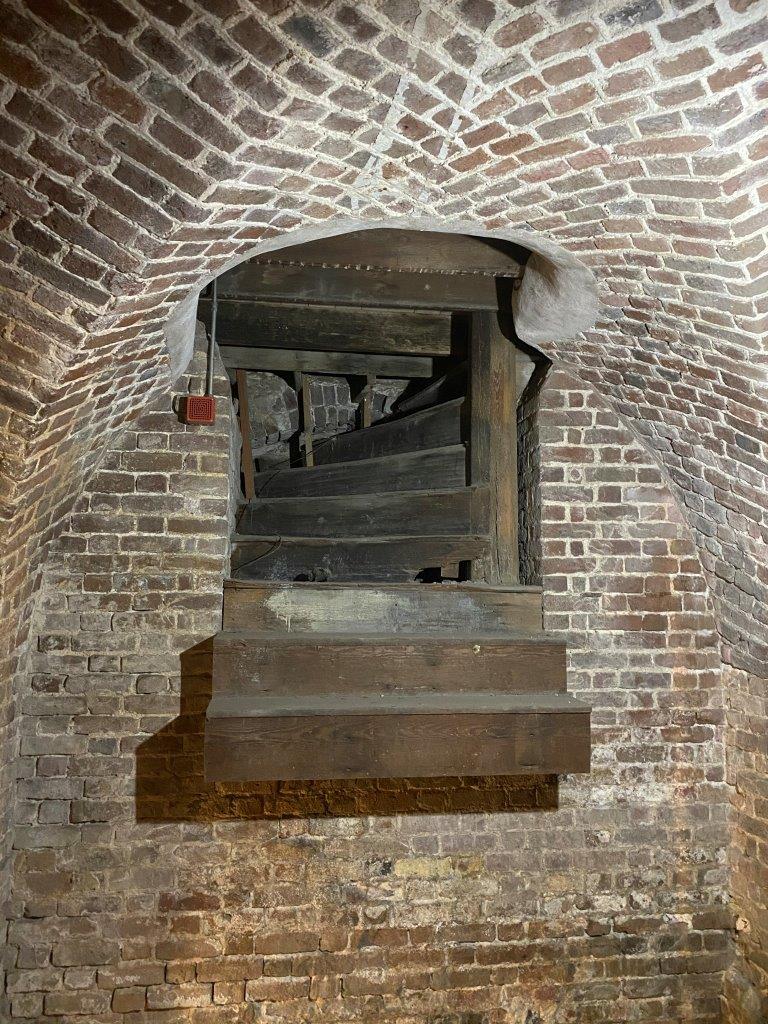
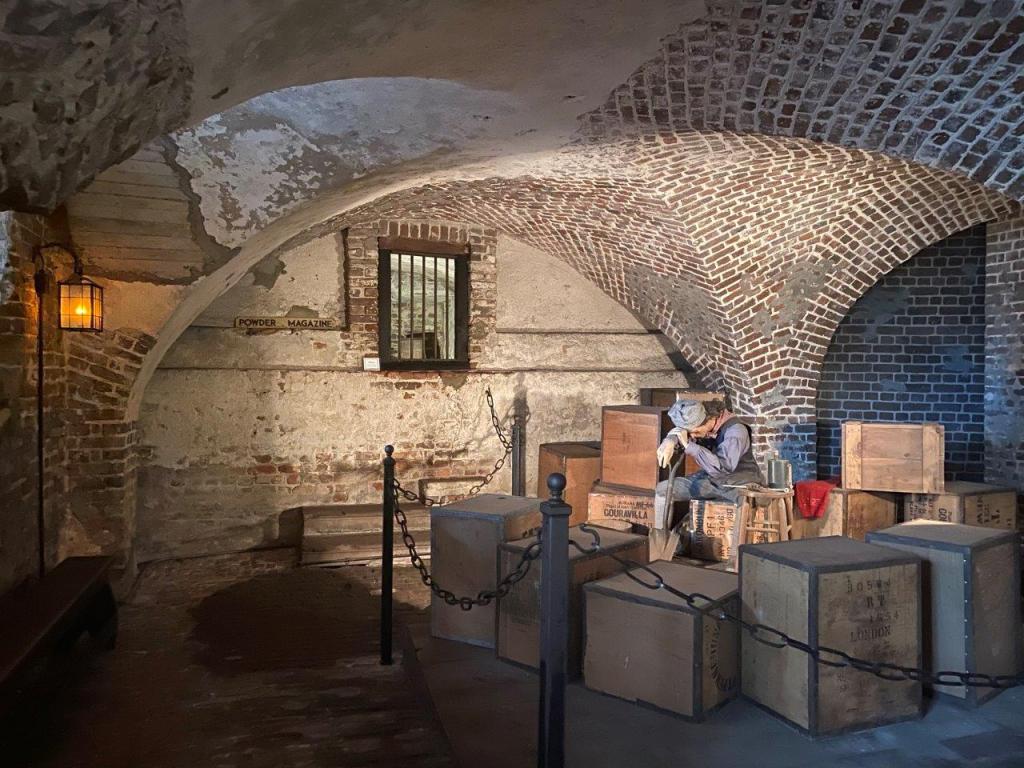
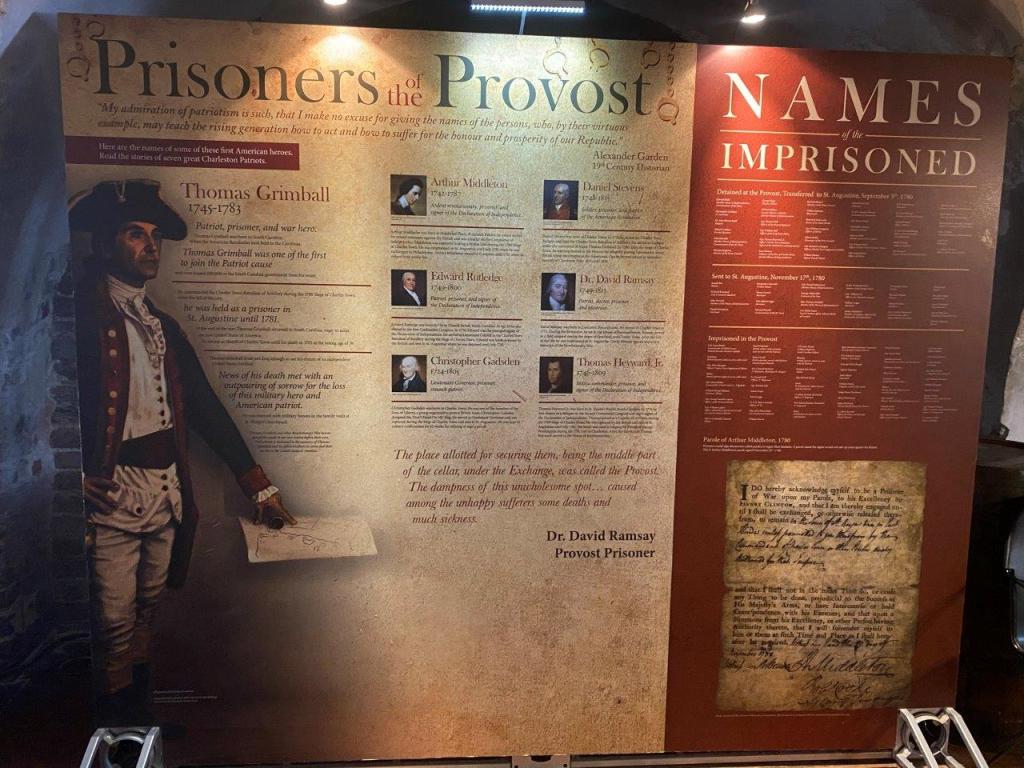
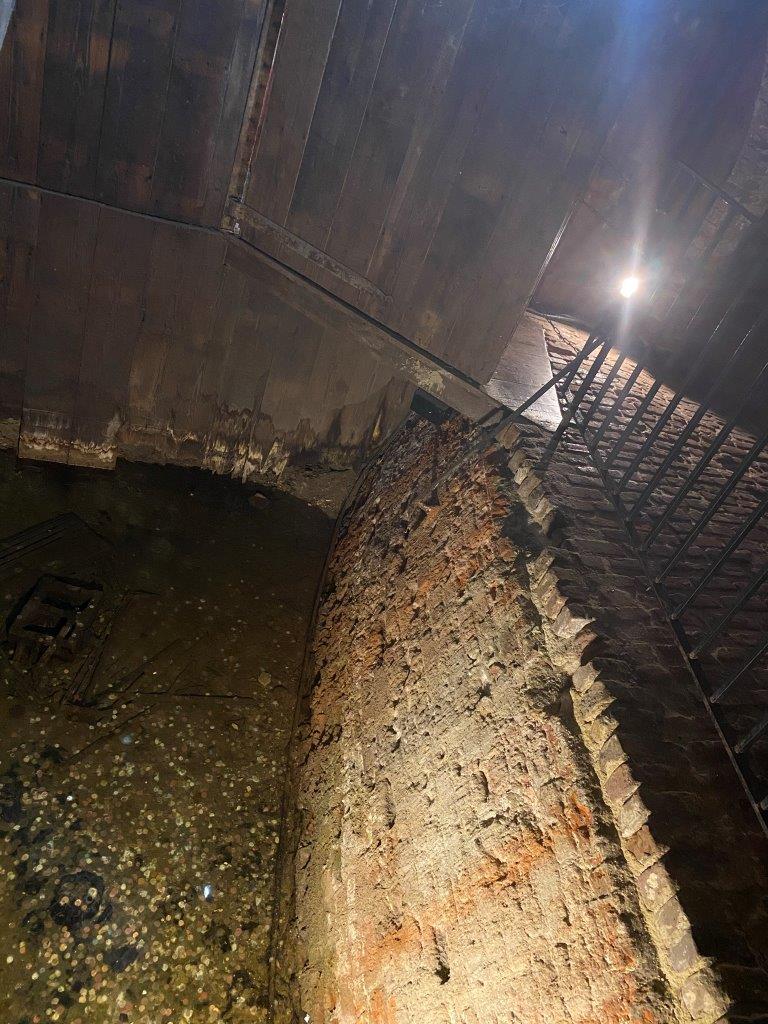
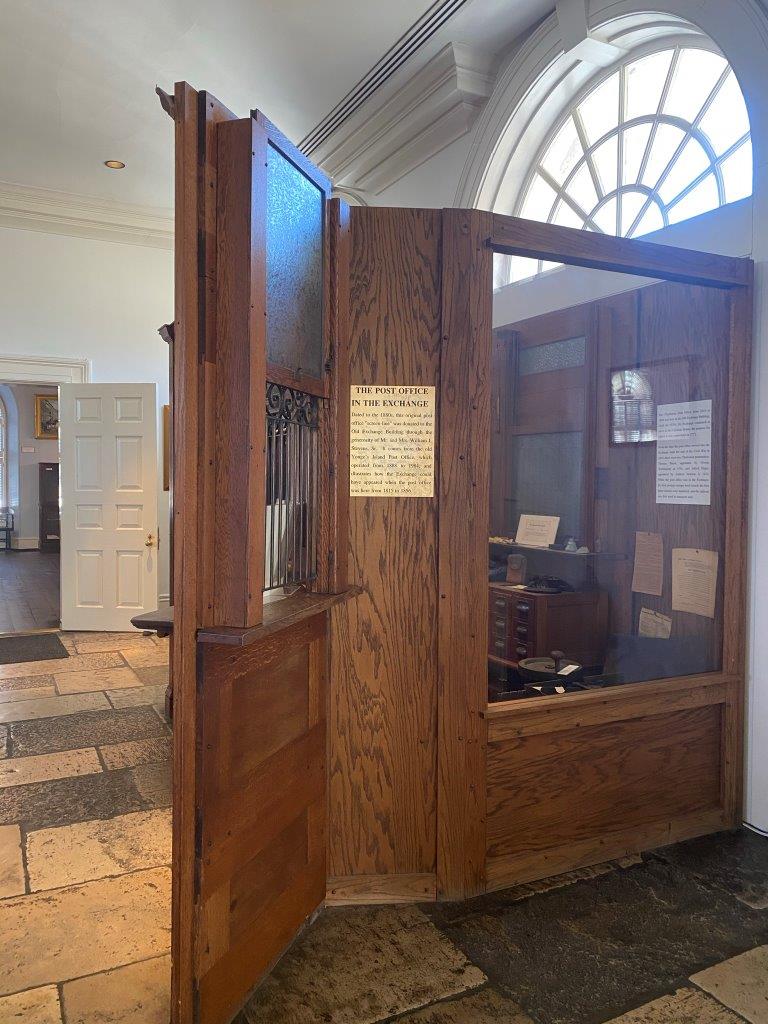
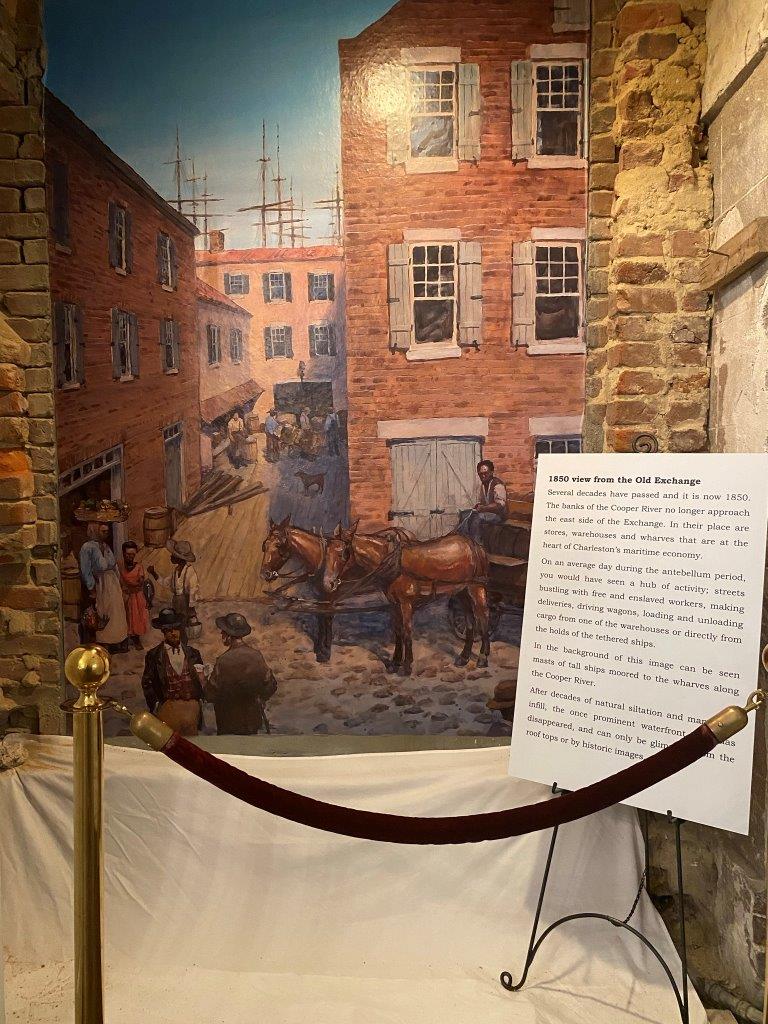
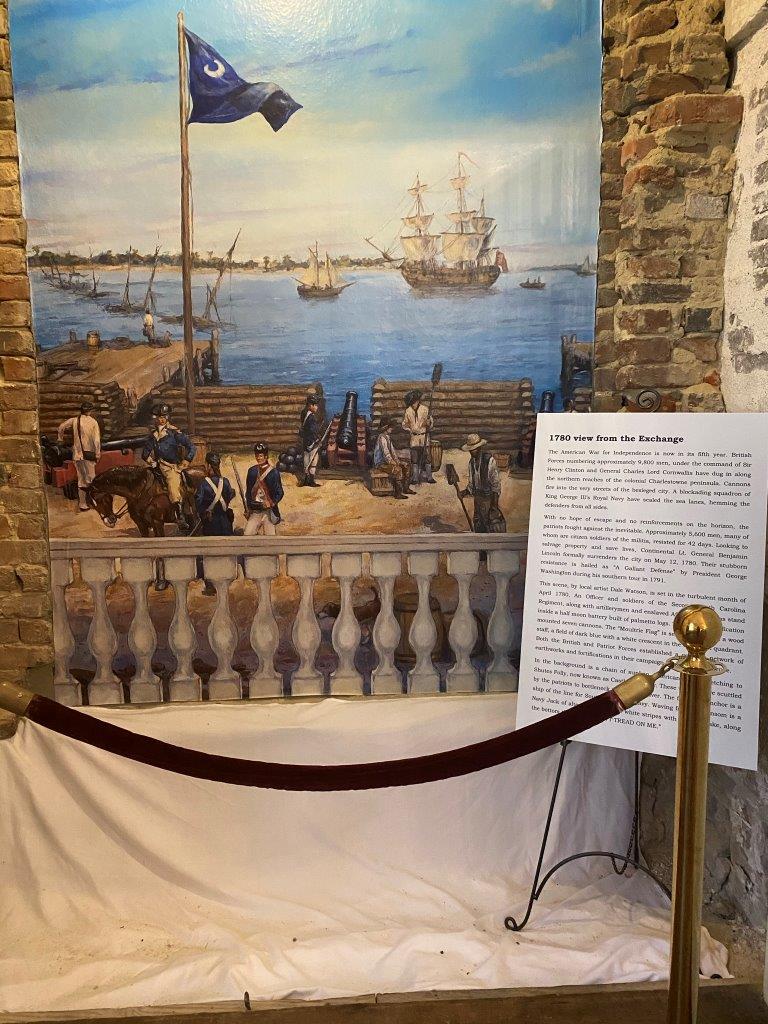
The Old Exchange Building was completed in 1771 and has been has been a commercial exchange, custom house, post office, city hall, military headquarters, and a museum. Originally a commercial exchange, the bottom floor was used to store merchandise. Then in 1780, during the American Revolution, British forces converted the bottom floor into a military prison or provost (a term used for prison or holding area) for American prisoners of war, British soldiers, citizens, and enslaved people who all endured the harsh conditions of “the dungeon”.
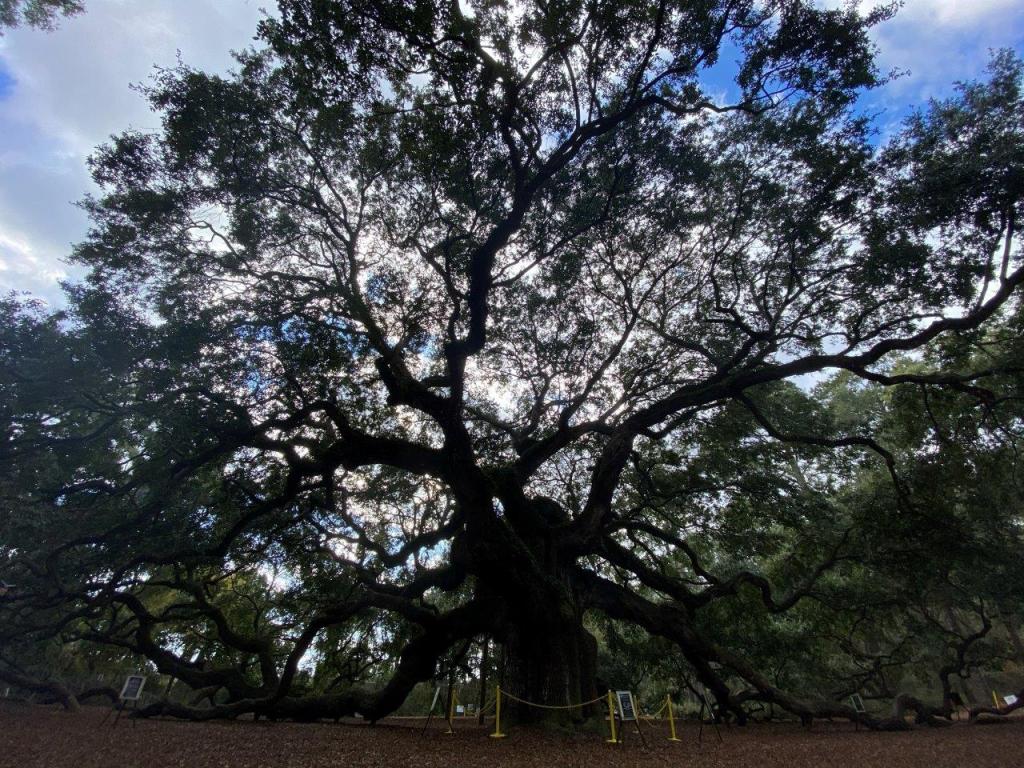
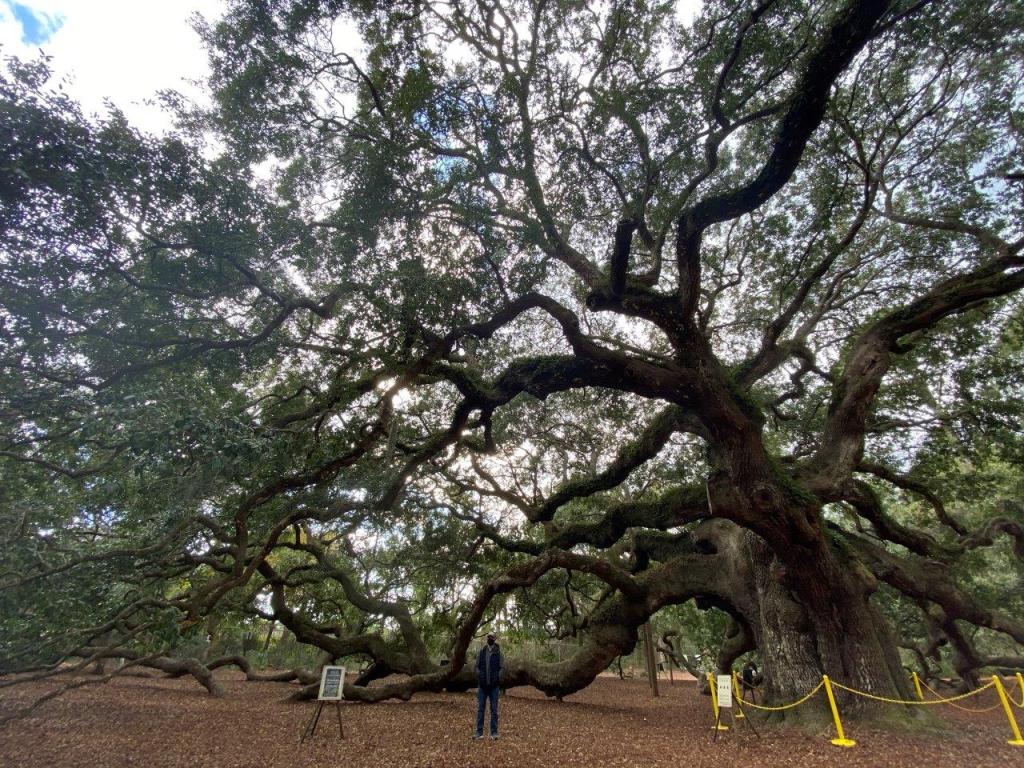
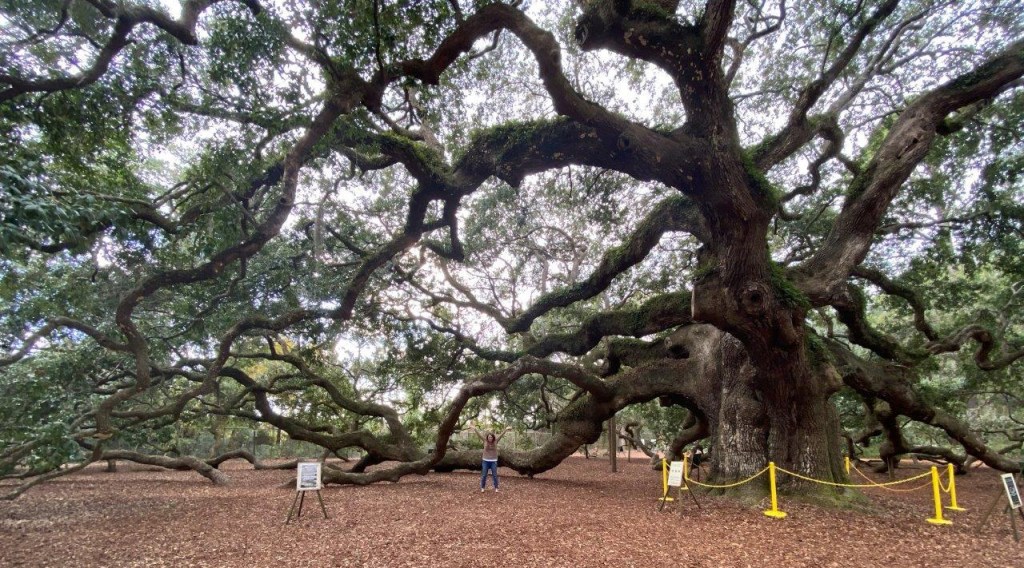
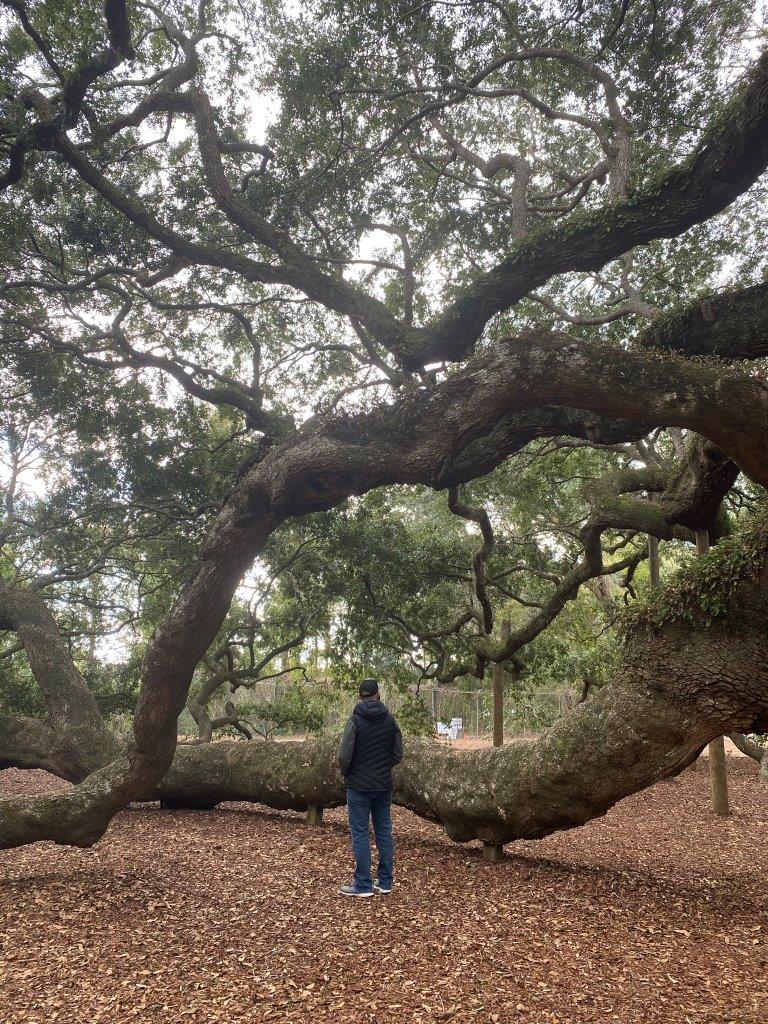
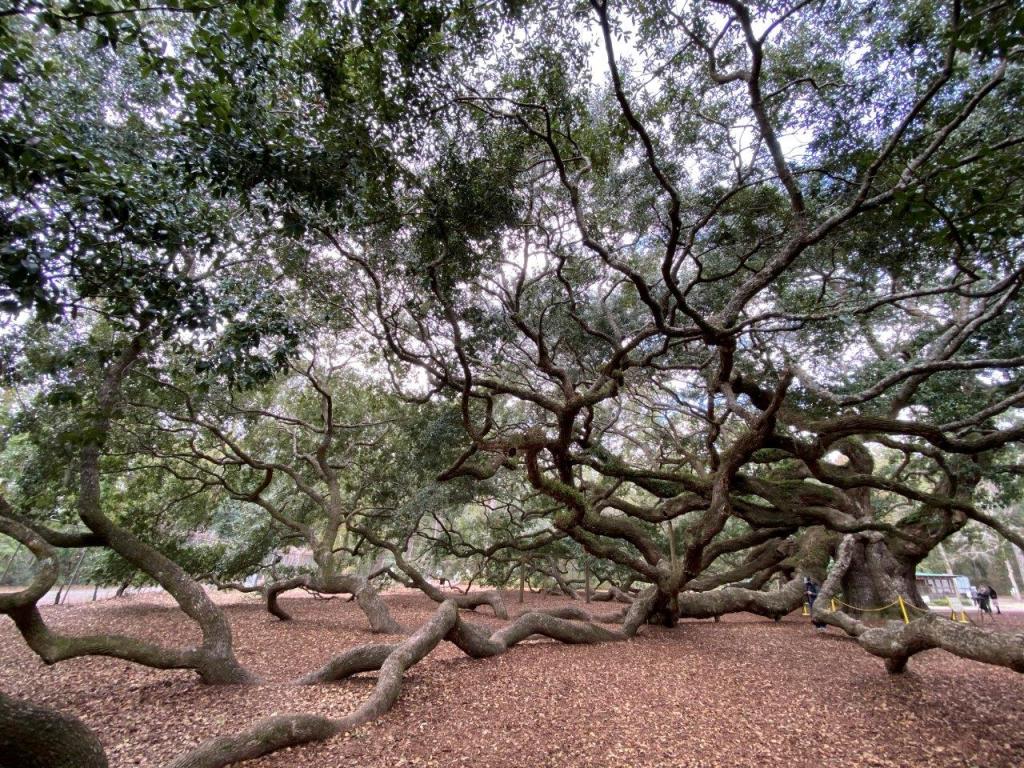
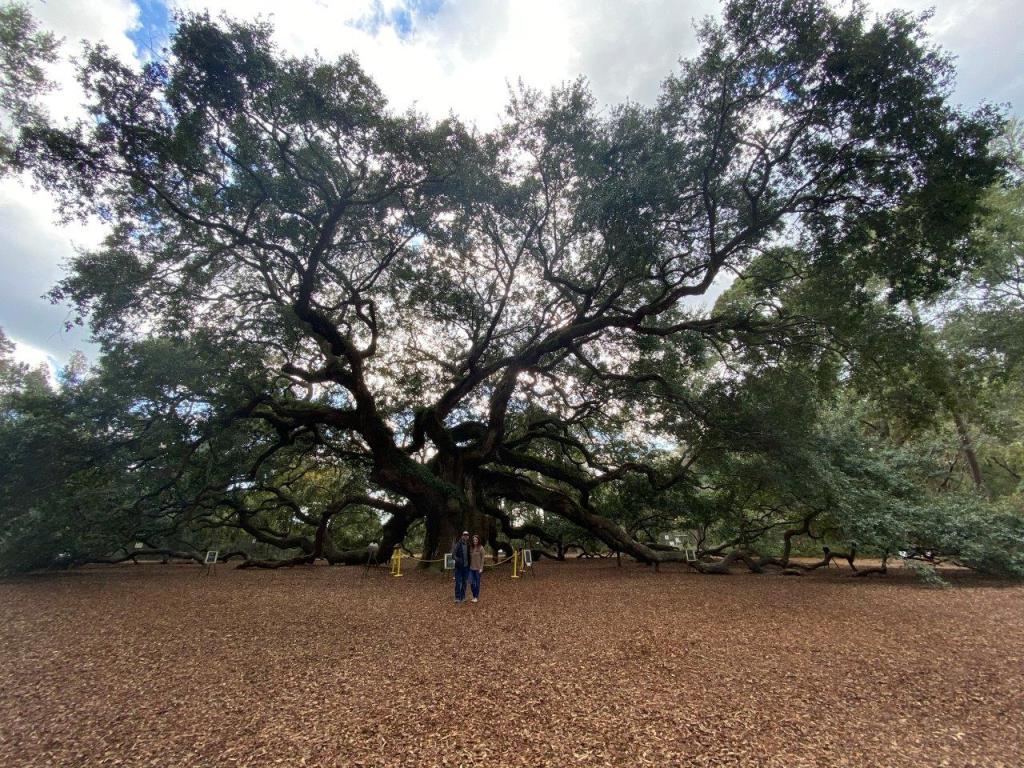
We left Charleston for Savannah and our first stop was to see the Angel Oak Tree on John’s Island. The tree is 300-400 years old, 65 feet tall, has a circumference of 25.5 feet, and its area of shade is 17,000 square feet. The largest limb is 89 feet long and has a circumference of 11.25 feet. It was an incredible site to see!
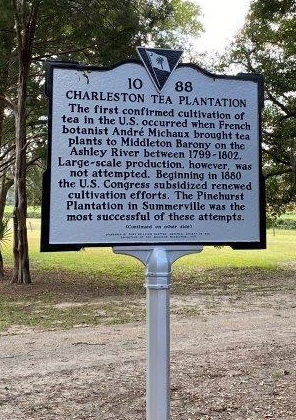
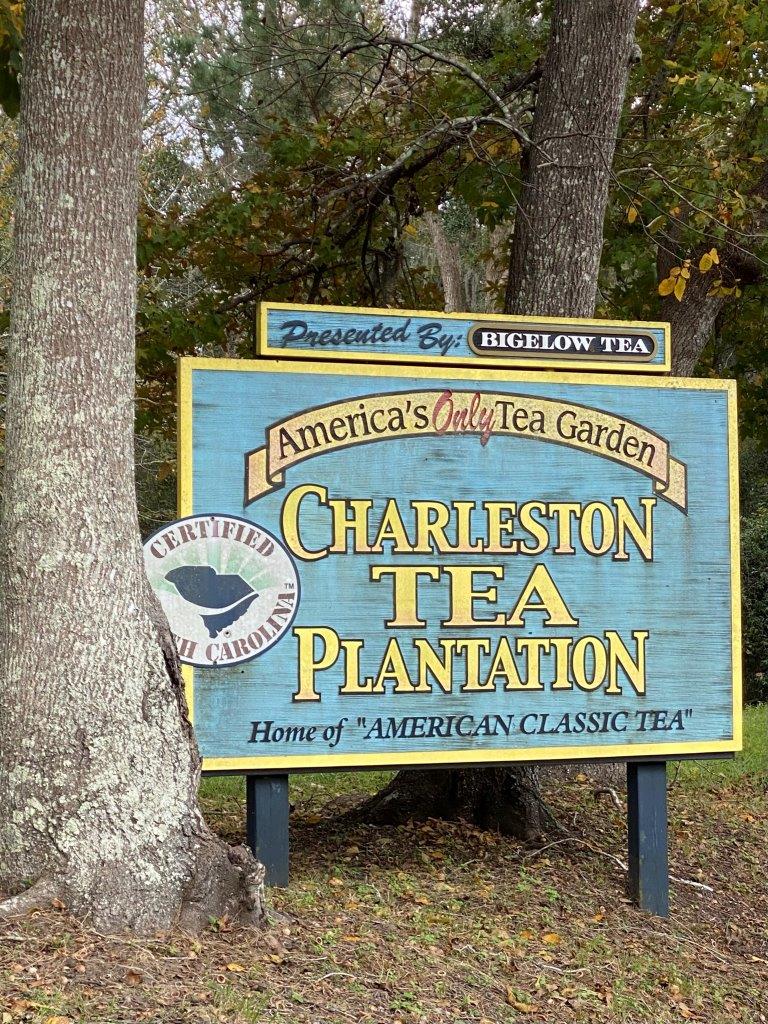
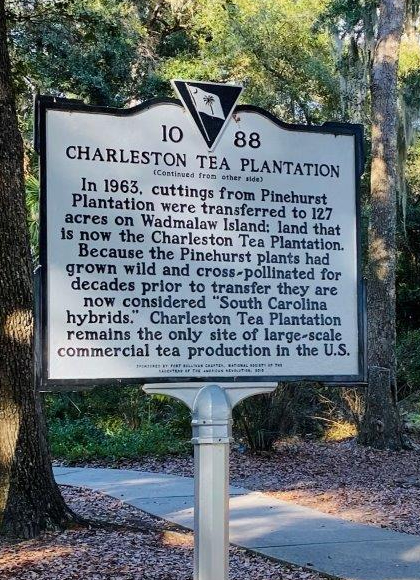
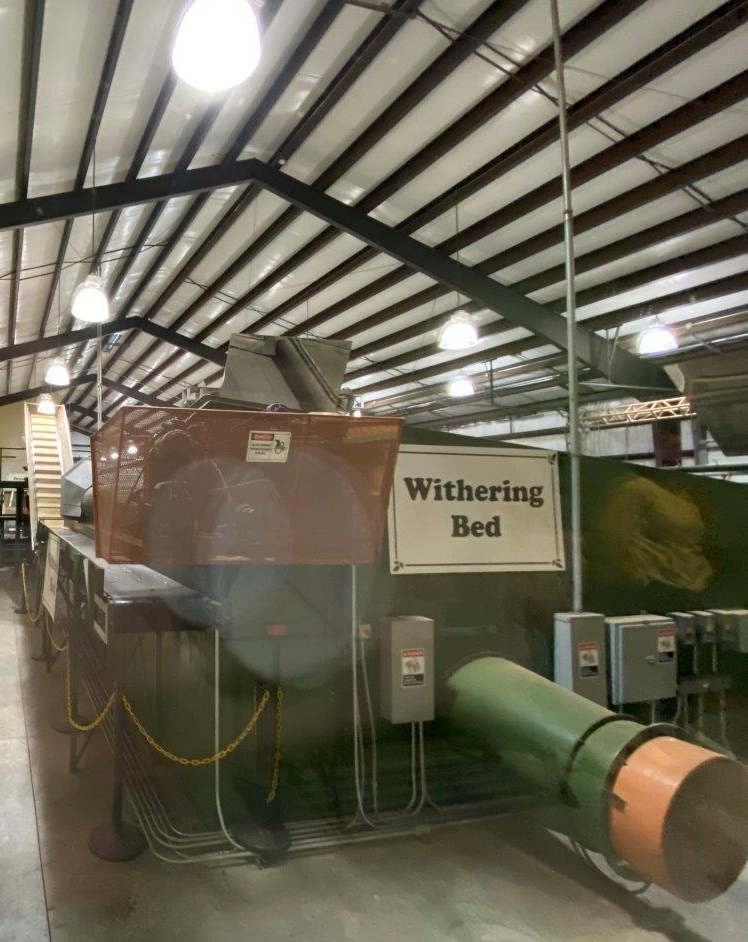
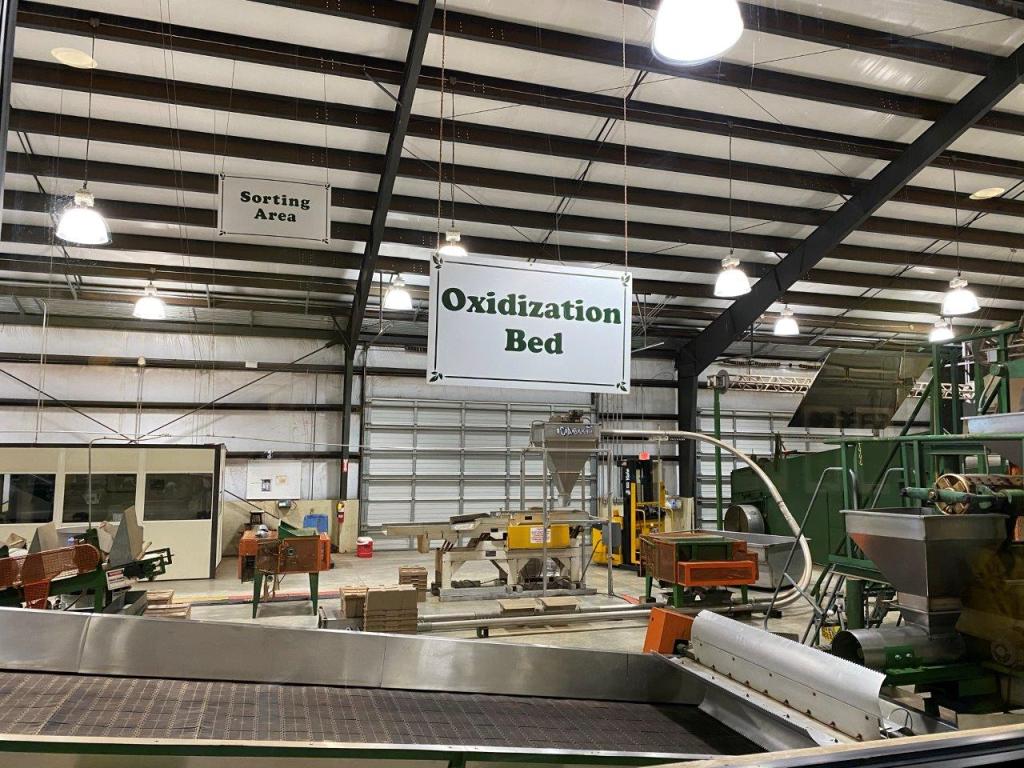
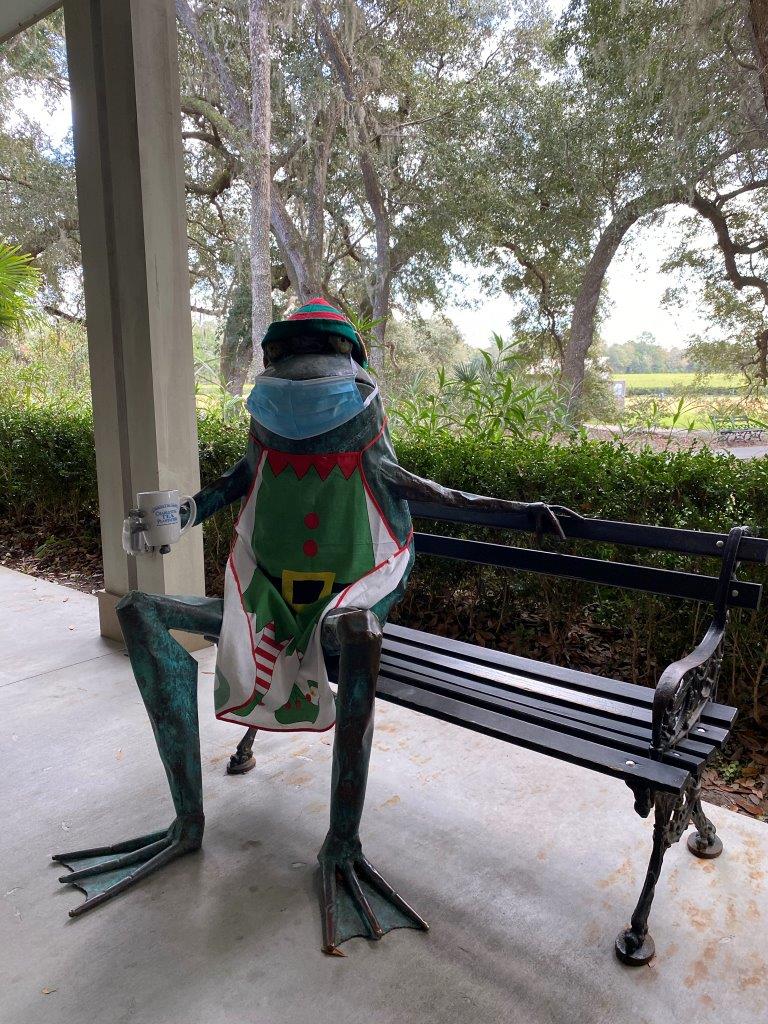
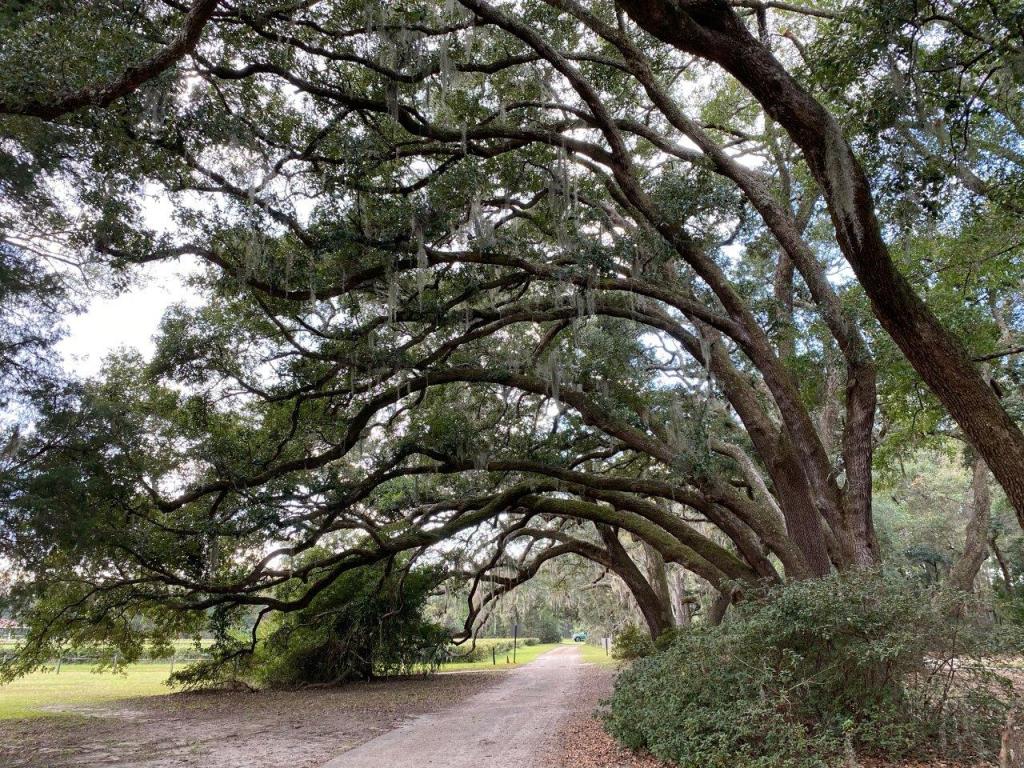
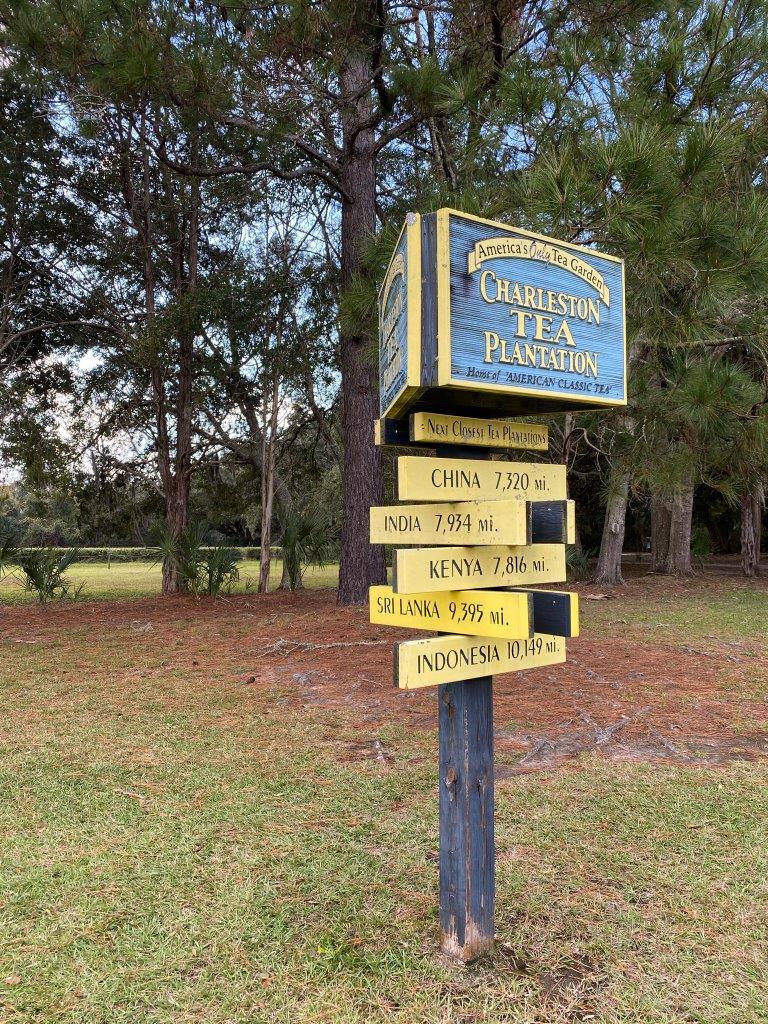
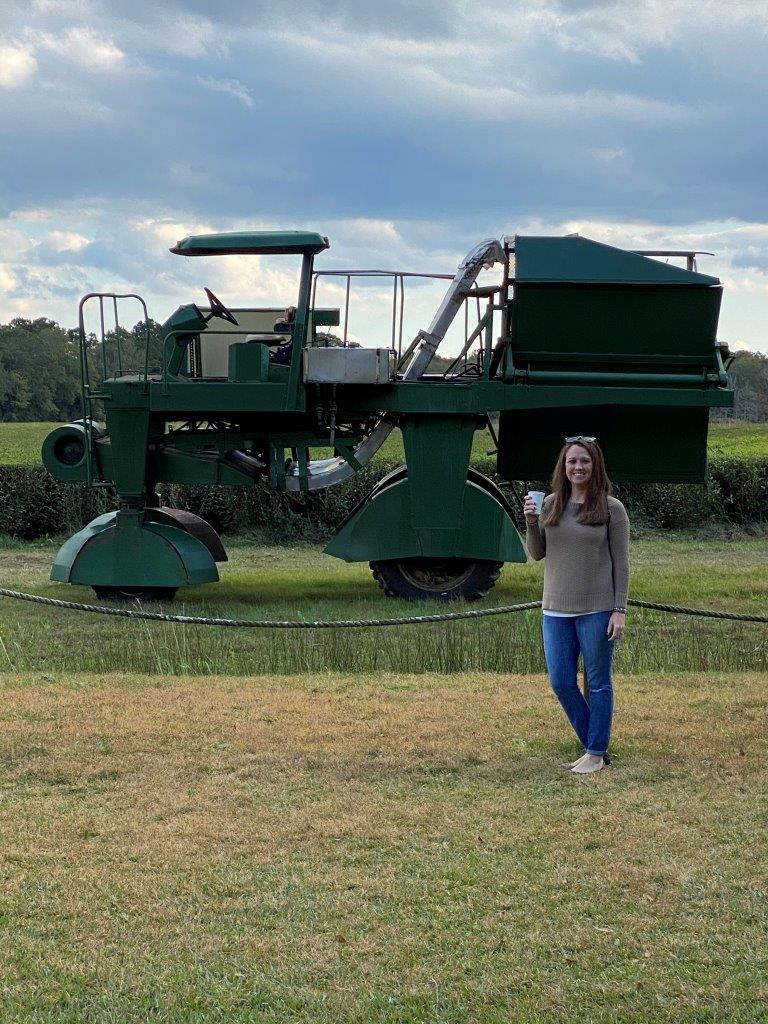
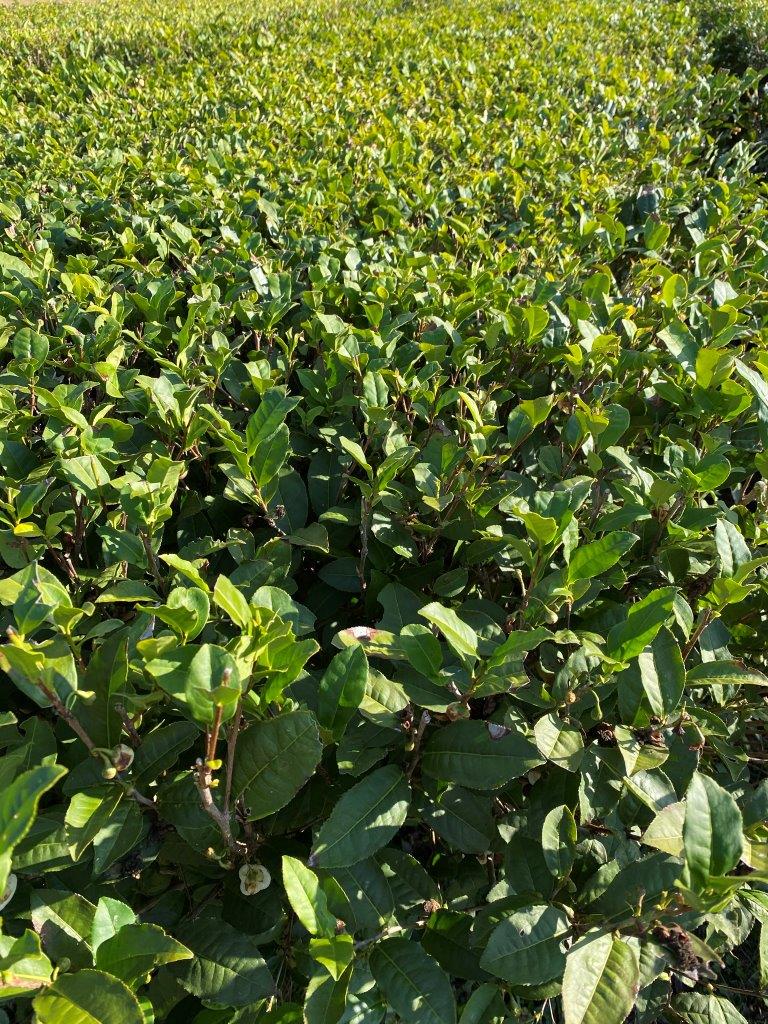
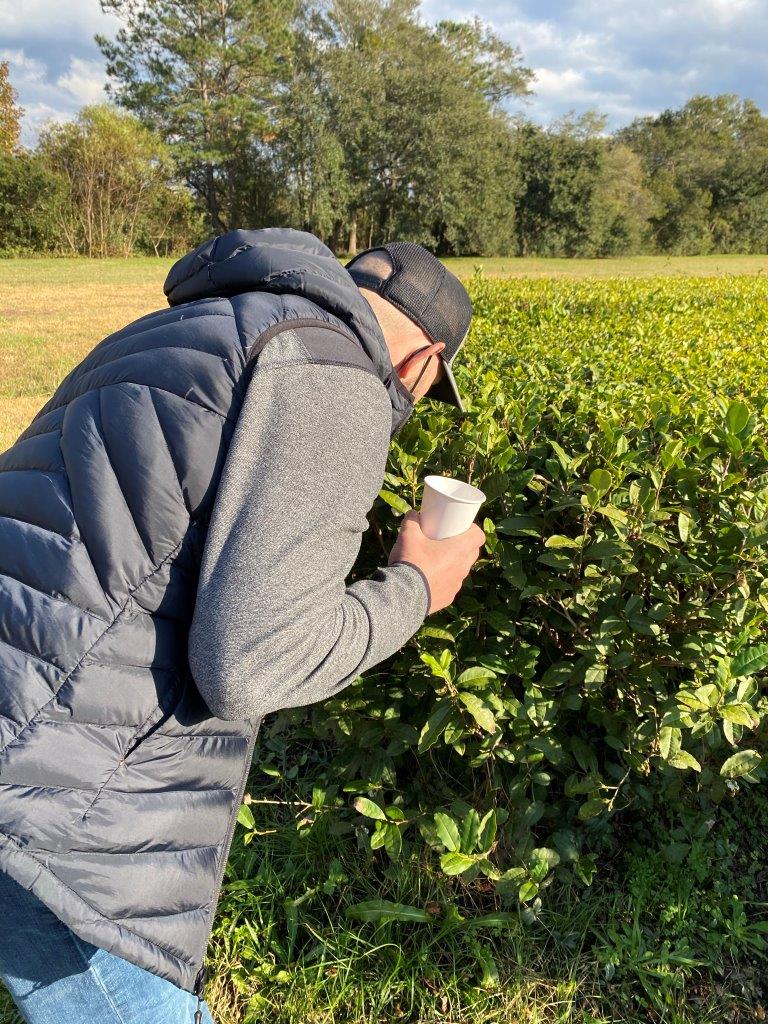
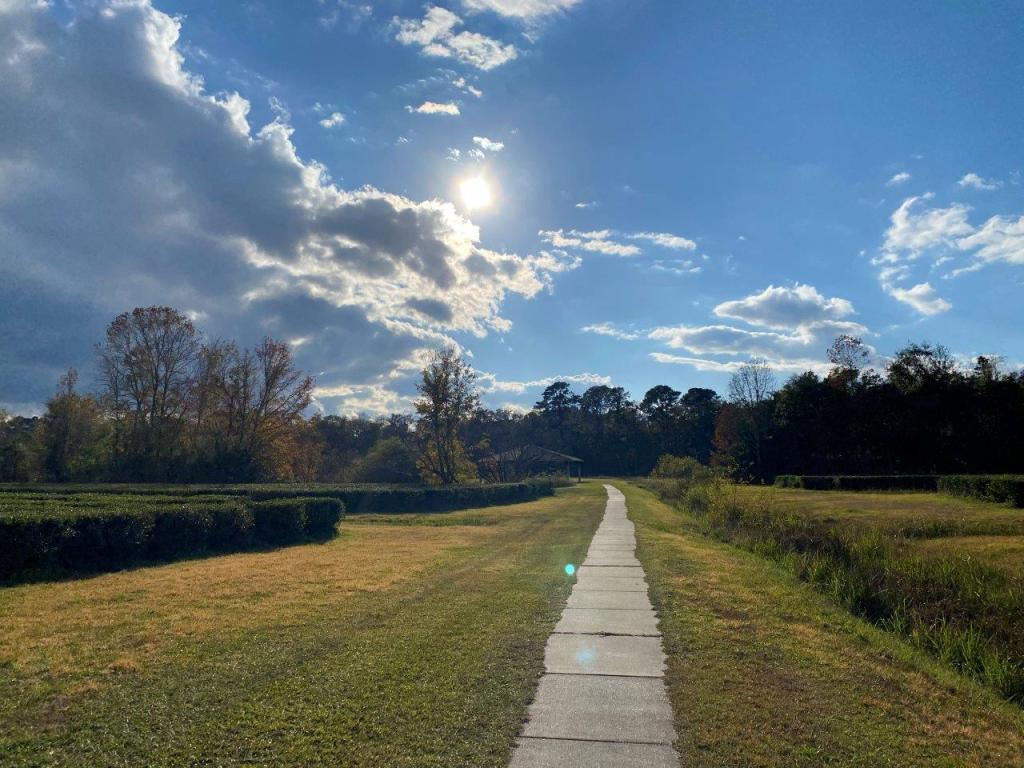
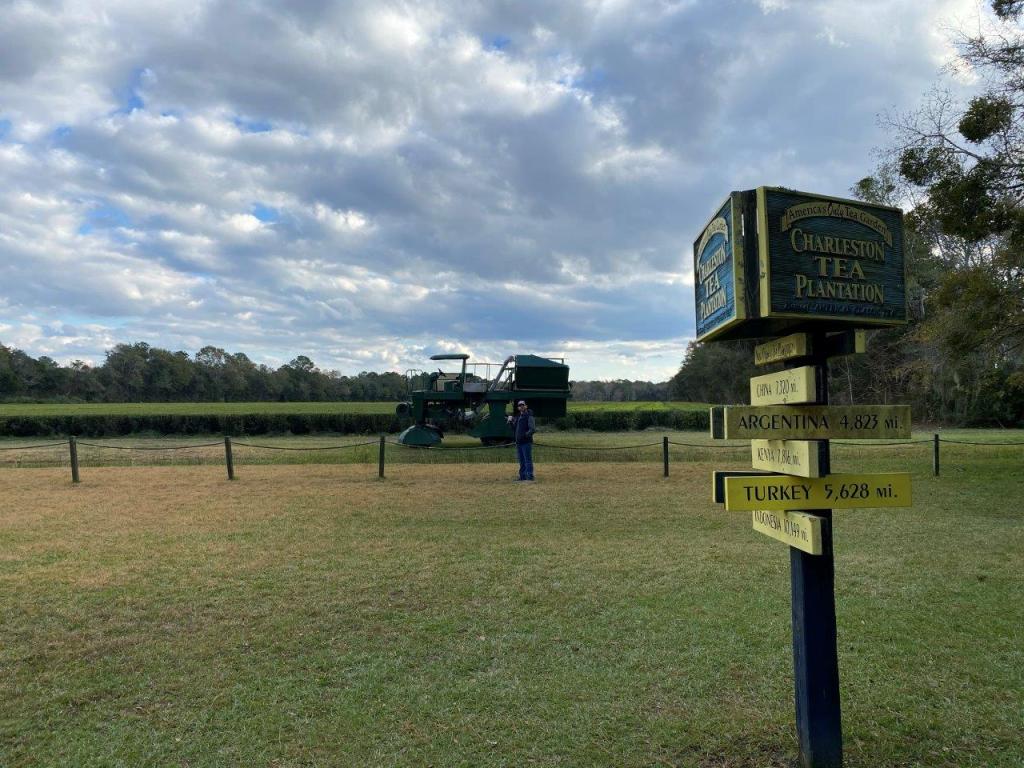
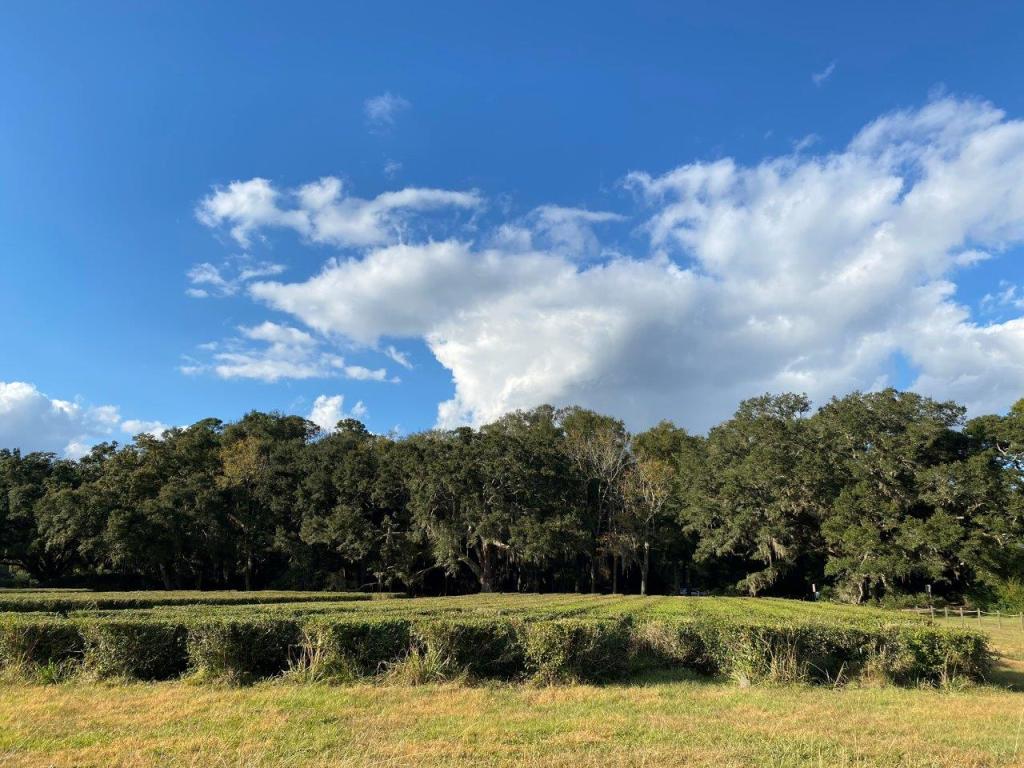
Next we stopped at Charleston Tea Plantation, North American’s only tea plantation, on Wadmalaw Island, SC. While the trolley tour around the plantation was not an option due to Covid, they still offered the free factory tour where three monitors explained the processing of tea. We sampled a few of the teas and walked around the grounds before hitting the road again.
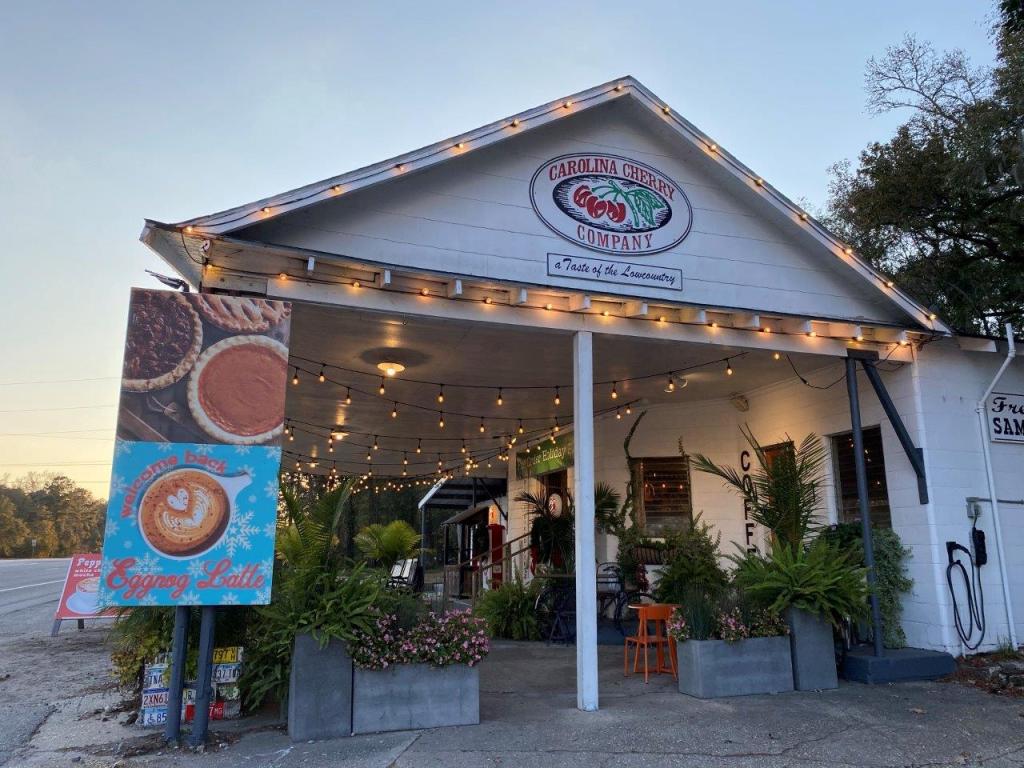
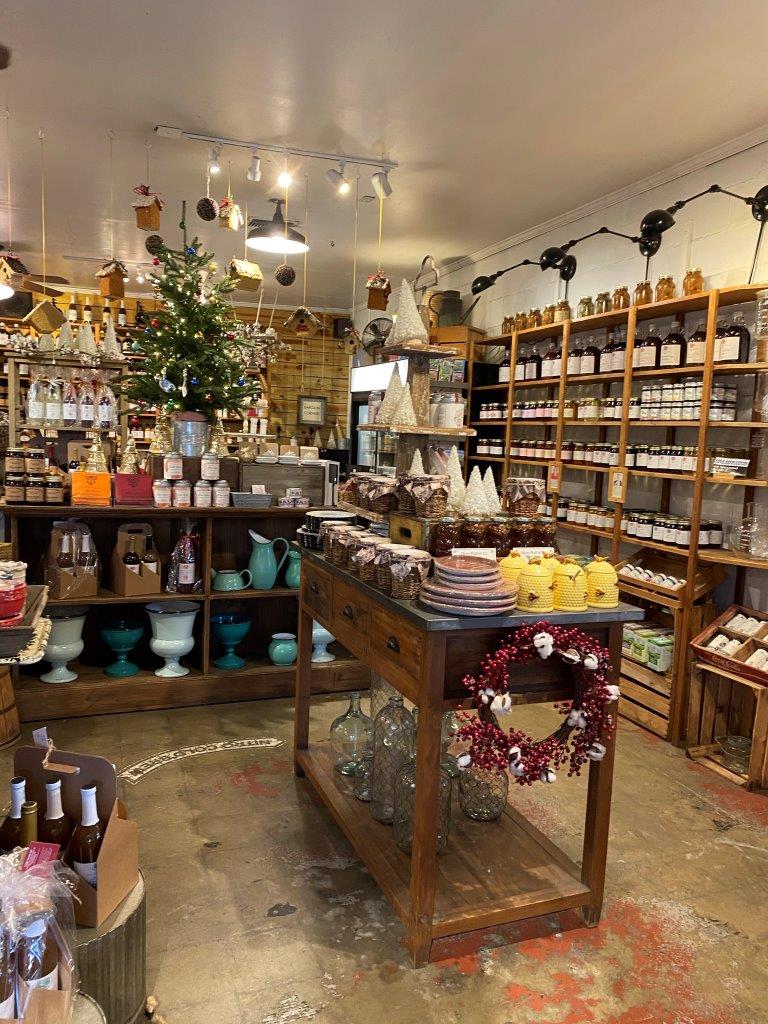
We made one more stop along the way at the Carolina Cherry Company for some snacks and cider. It was a cute little store full of goodies!
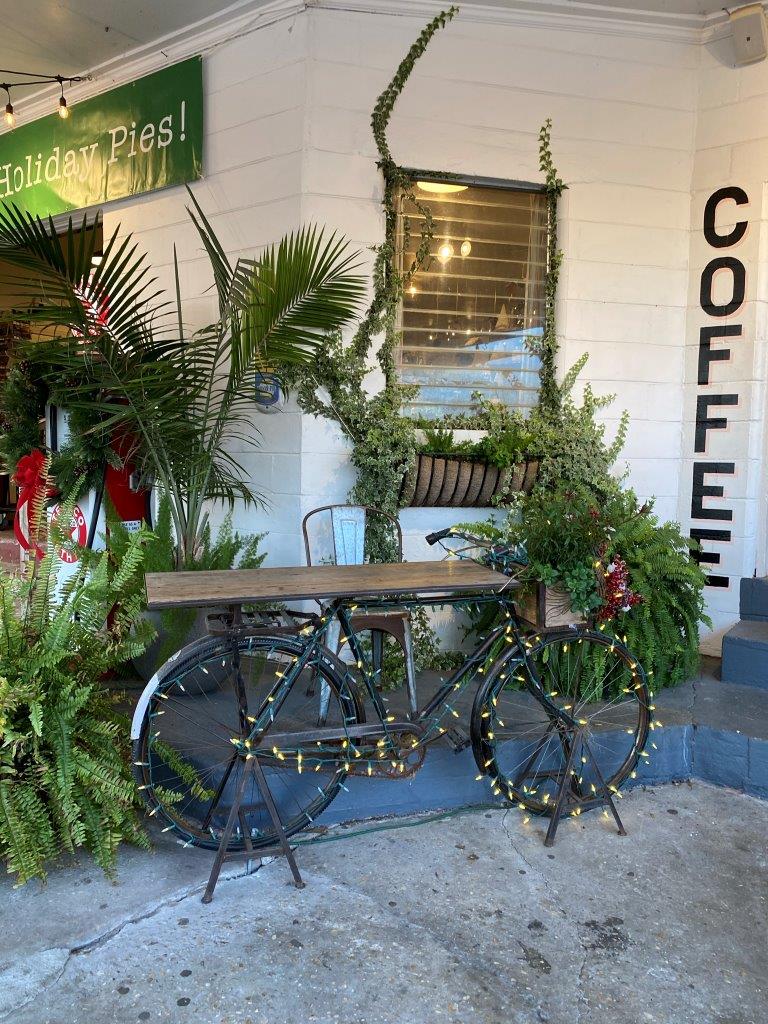
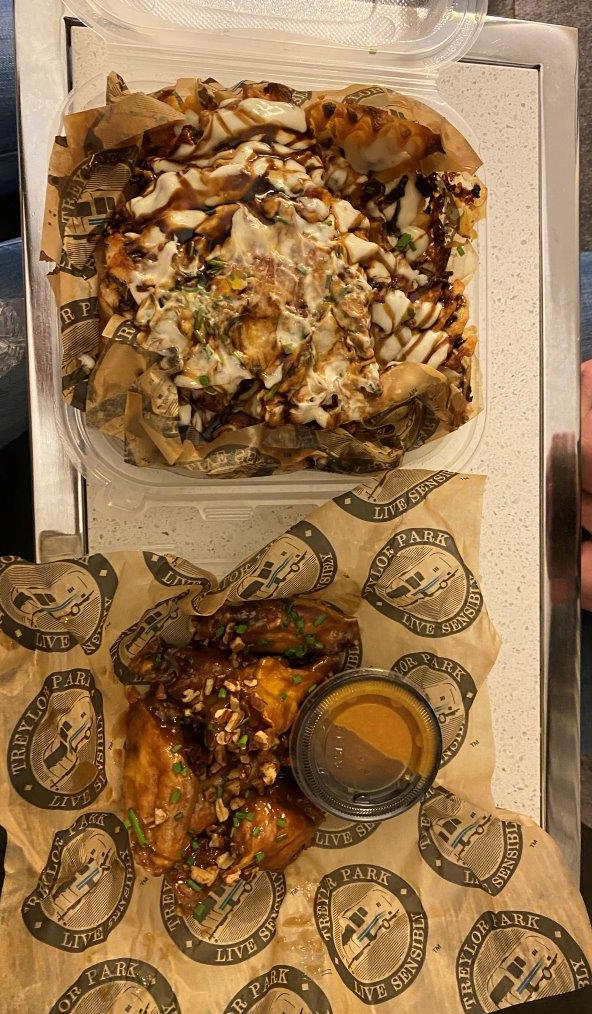
Once we arrived in Savannah, we checked into our room at the Hyatt Regency and then ordered some dinner to-go from Treylor Park. We shared the PB&J chicken wings and the nachos grande.
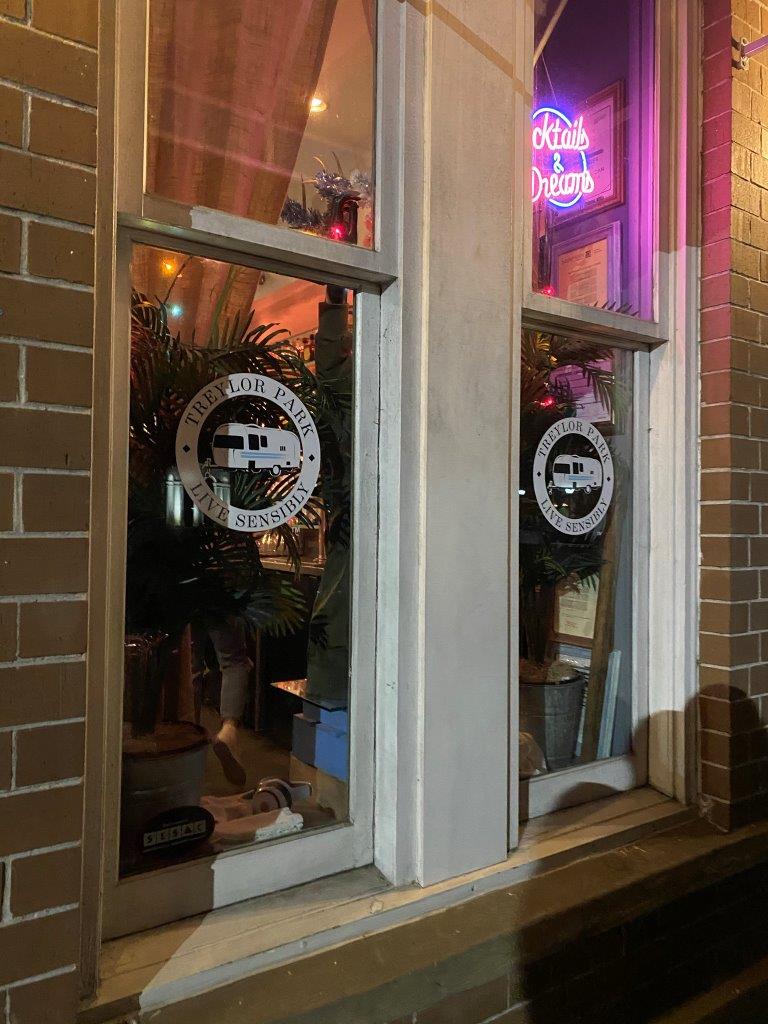
From Tuesday through Friday, Jonathan had an anesthesia conference at the hotel until around noon each day. So I spent the mornings walking to nearby coffee shops and did some shopping along Broughton Street. In the afternoons we explored the city by foot. One afternoon we signed up for a walking tour with Explore Savannah. Our guide Rose (who also owns the company) was very knowledgeable of the city. Since we were the only people on the afternoon tour, she was able to customize the tour and show us a lot more.
On a prior trip to Savannah, I’ve also done the hop on/hop off trolley tour and it is also a great way to tour and learn about the city.
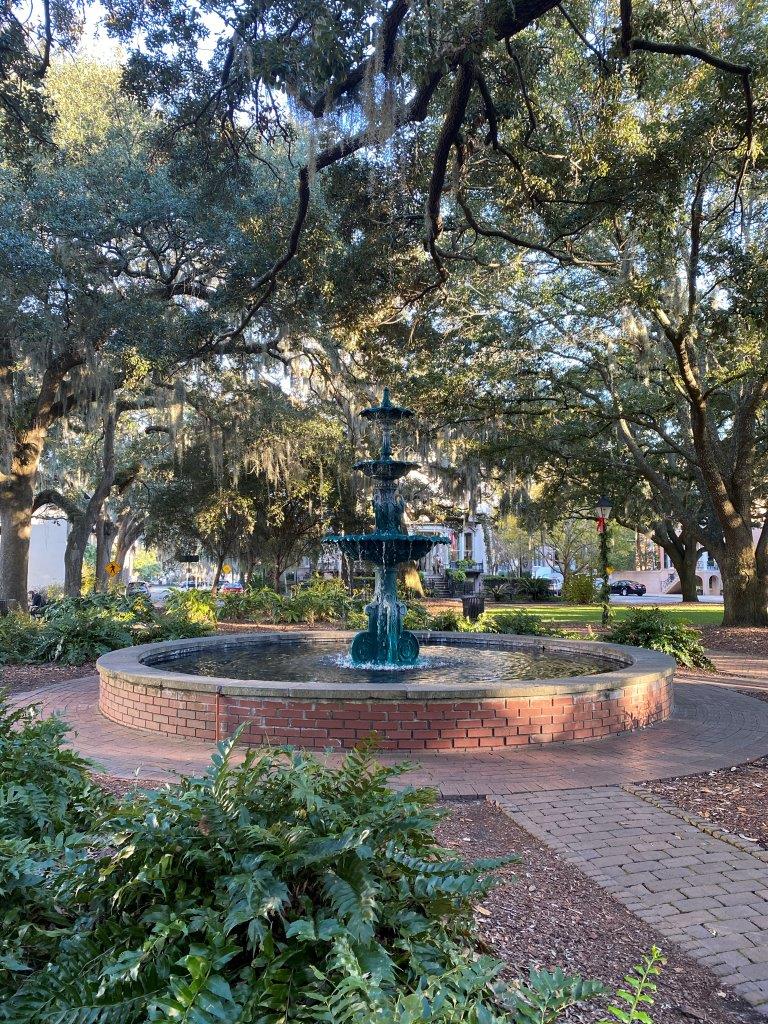
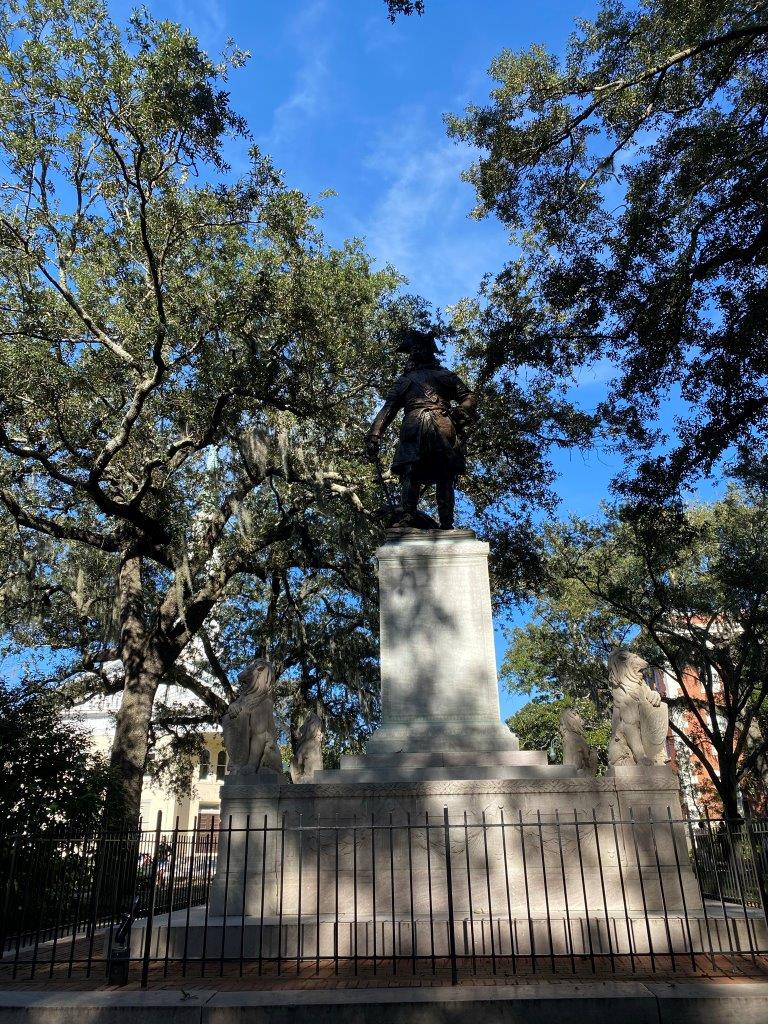
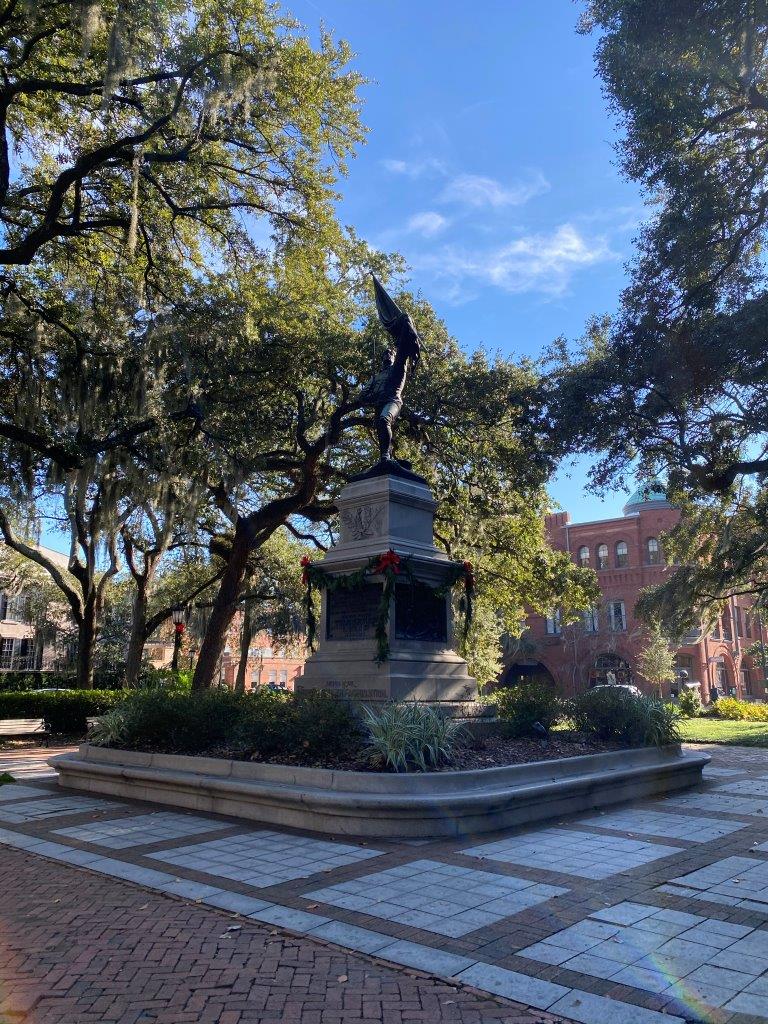
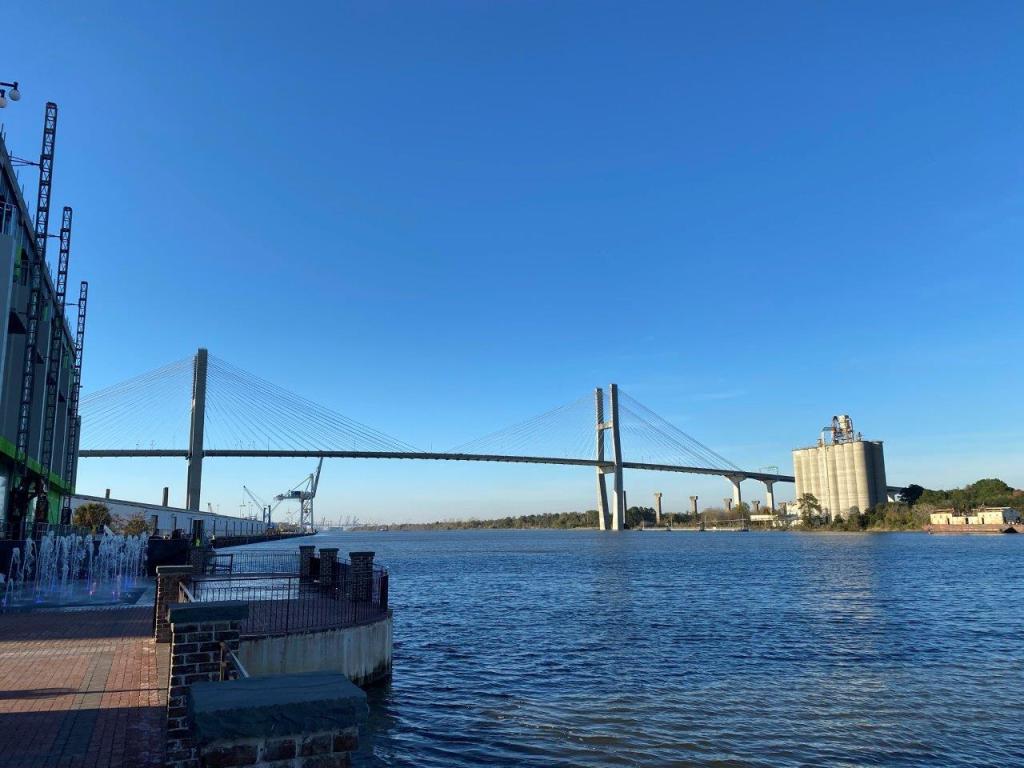
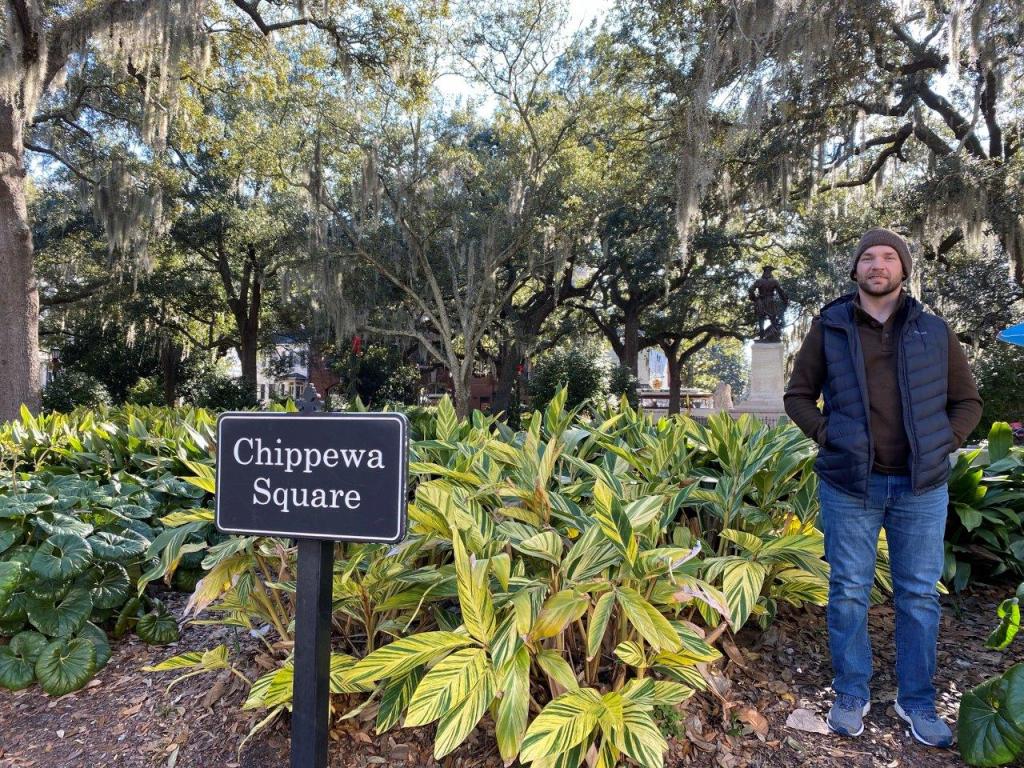
General James Oglethorpe named the 13th and final American colony “Georgia” after England’s King George II. Savannah became its first city. Under the original charter, individuals were free to worship as they pleased; however, rum, lawyers and slavery were forbidden. Savannah is also America’s first planned city. Oglethorpe designed the city as a grid system with 24 public squares. Today 22 of these squares remain. This makes the downtown area easy to walk around and navigate while sightseeing.
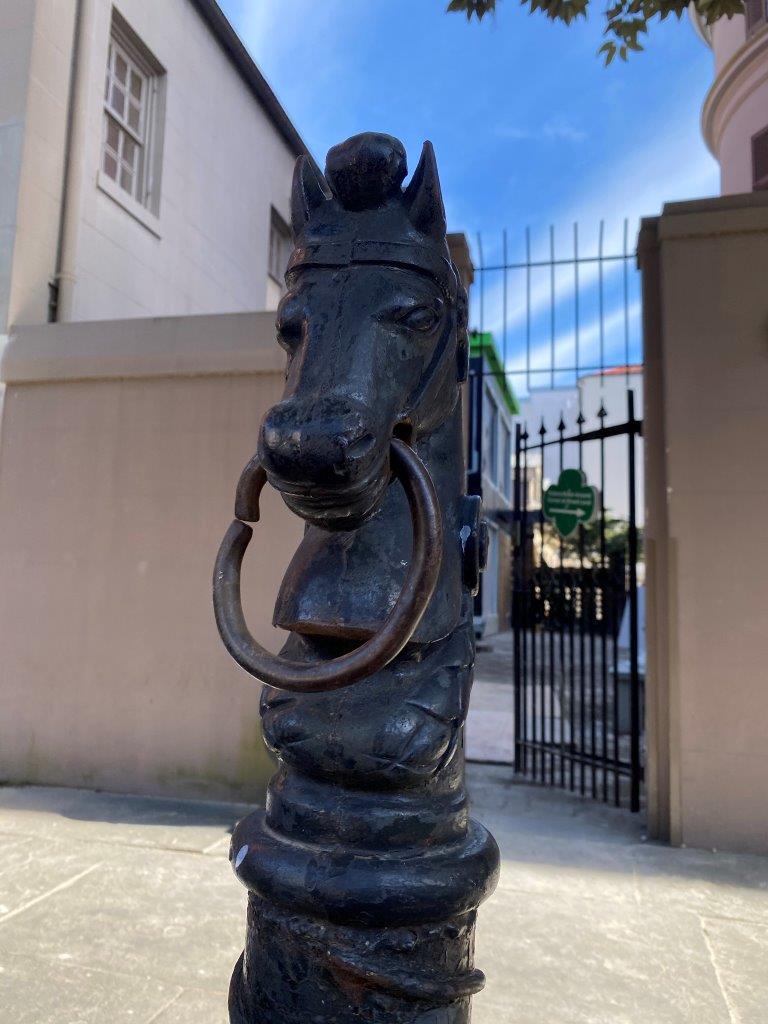
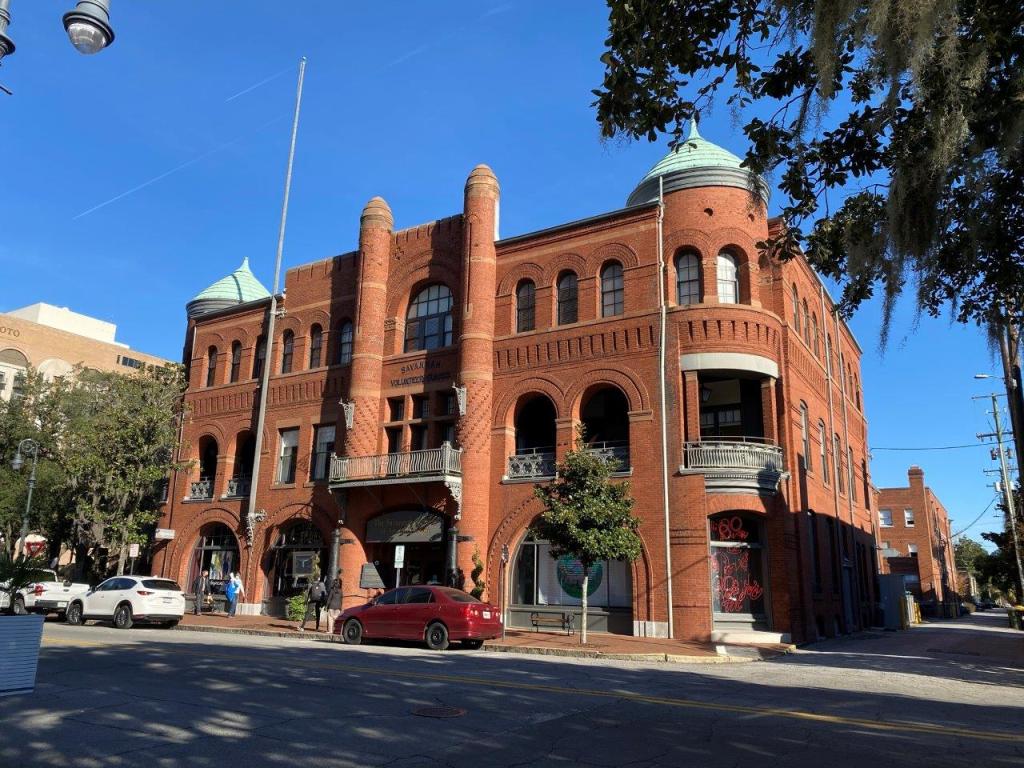
- The Mercer House (completed in 1868) in Monterey Square – If you have read the book or watched the movie “Midnight in the Garden of Good and Evil”, this is Jim William’s house.
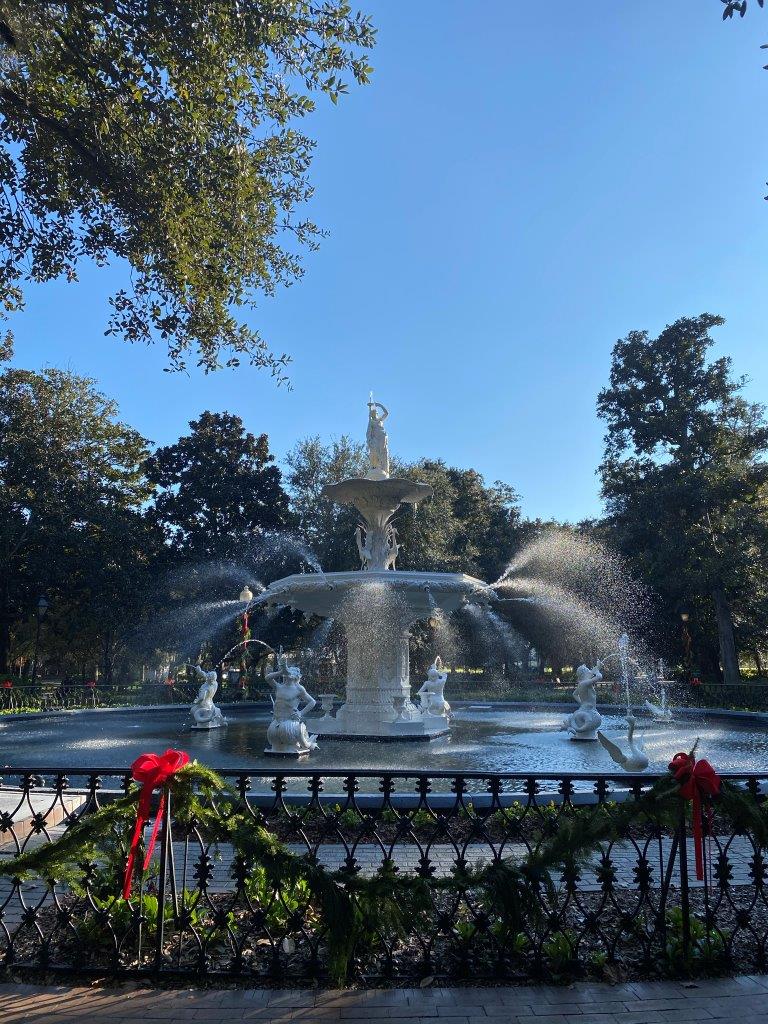
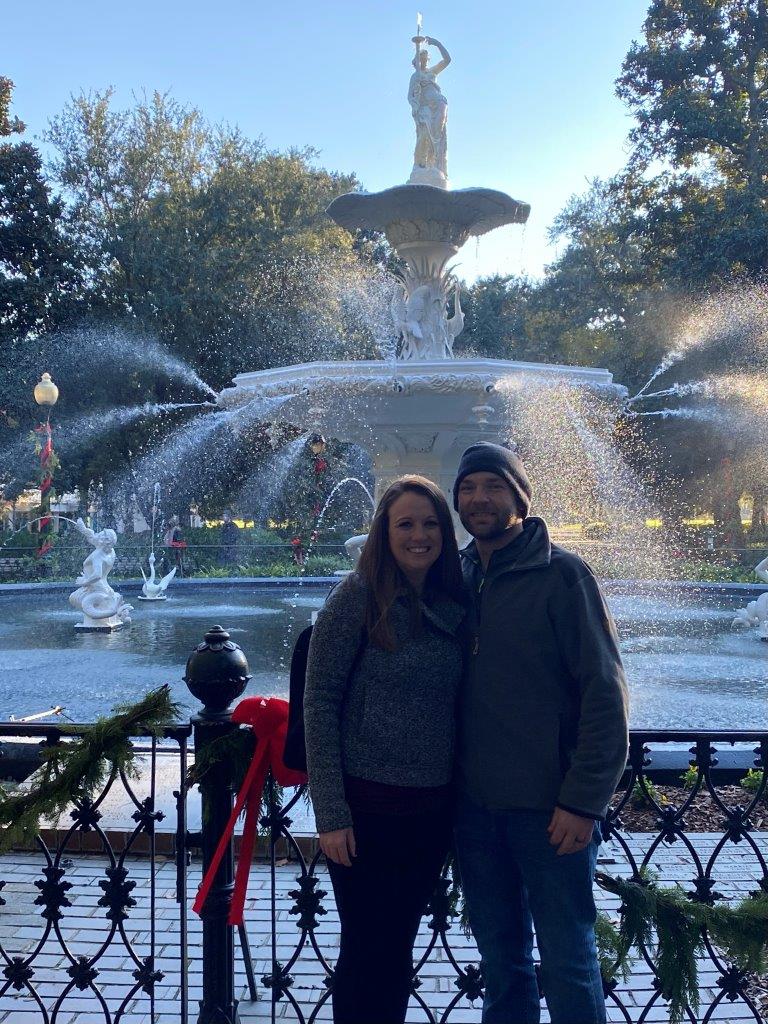
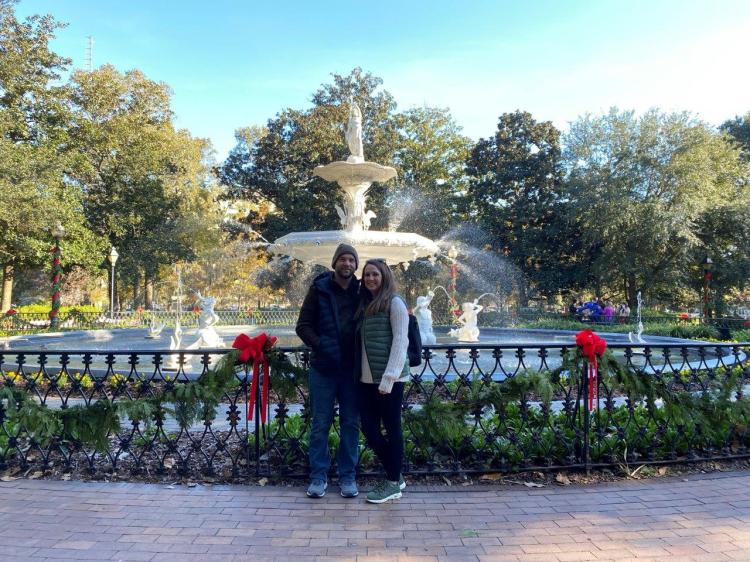
- Forsyth Park – The park occupies 30 acres in the historic district and the beautiful fountain was installed in 1858 and was modeled after the French ideal of having a central public garden. However the fountain is not one of kind being that it was ordered from a catalogue!
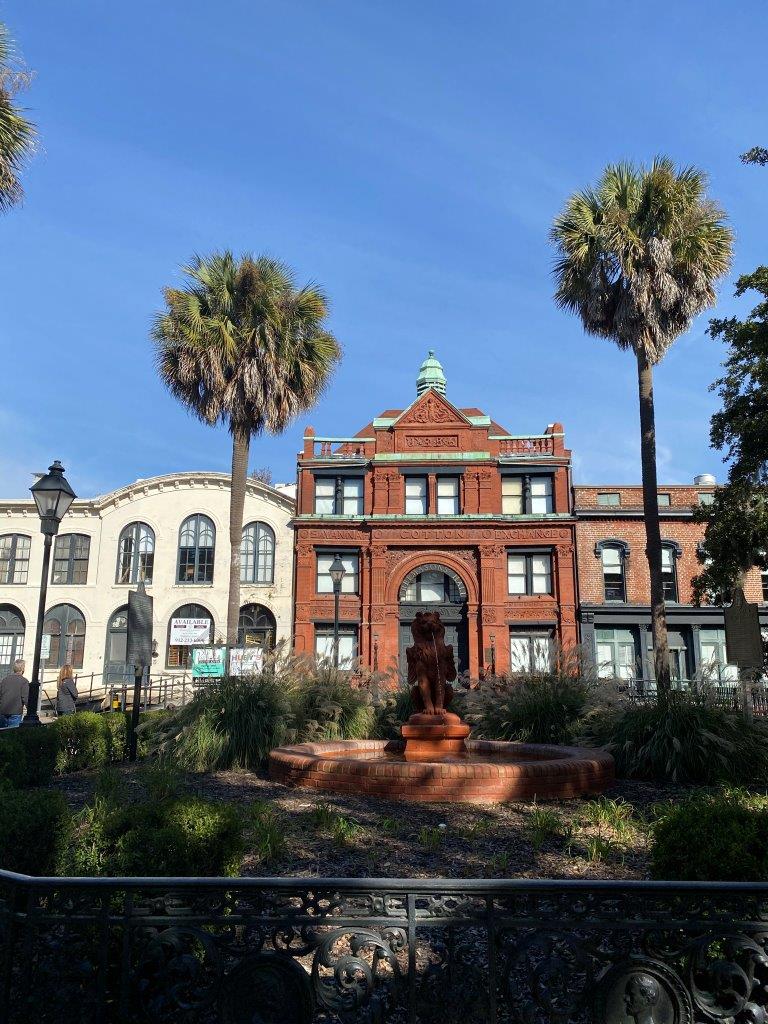
- Old Savannah Cotton Exchange (completed in 1887) – When this building was constructed Savannah ranked first as a cotton seaport on the Atlantic and second in the world.
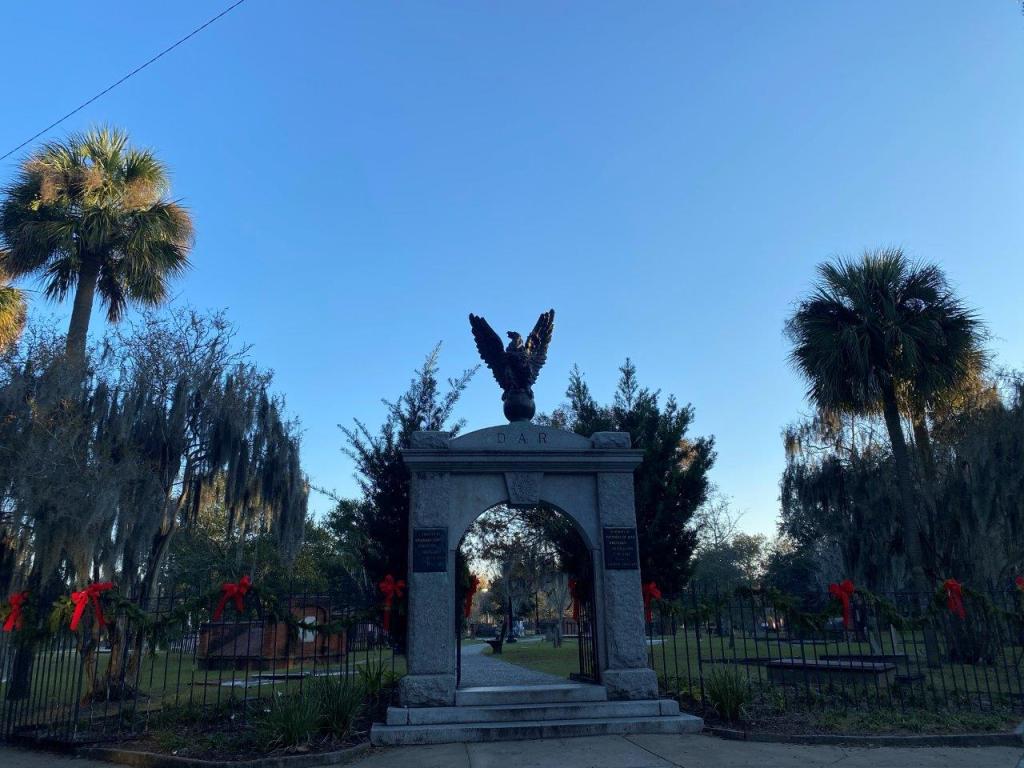
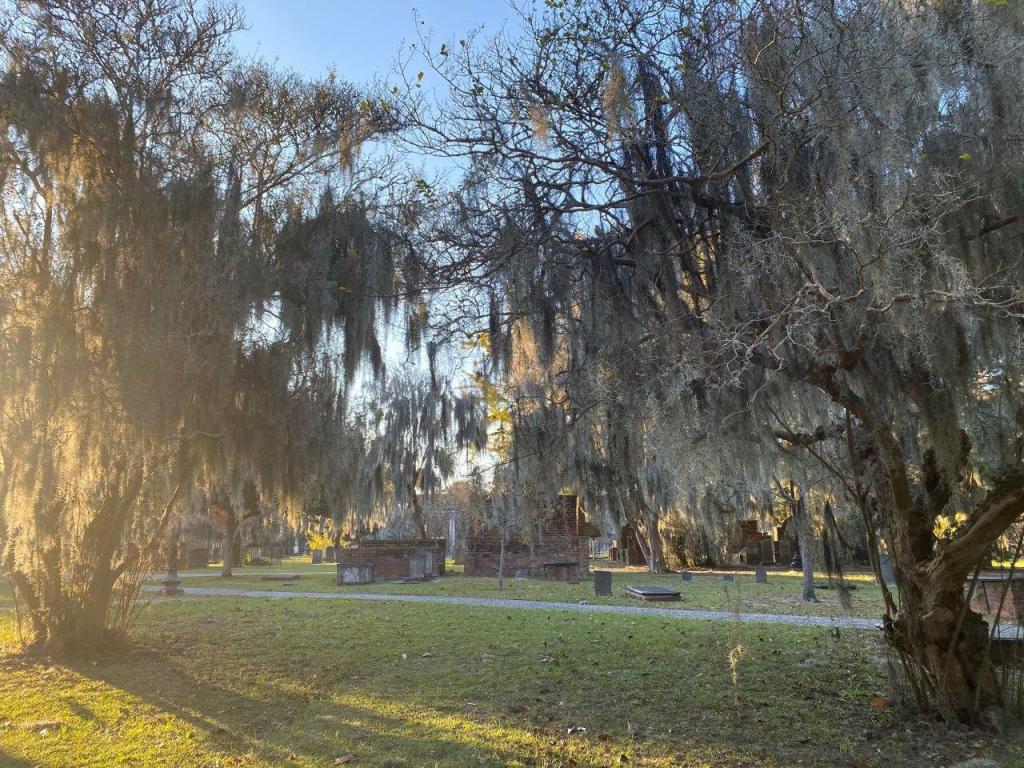
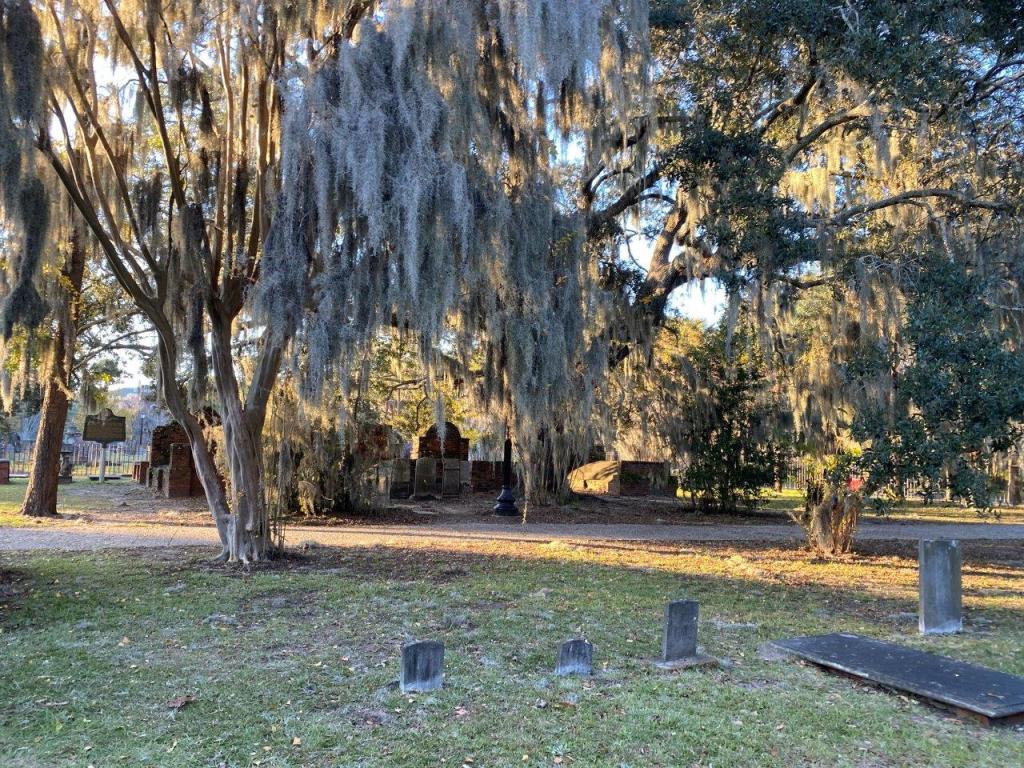
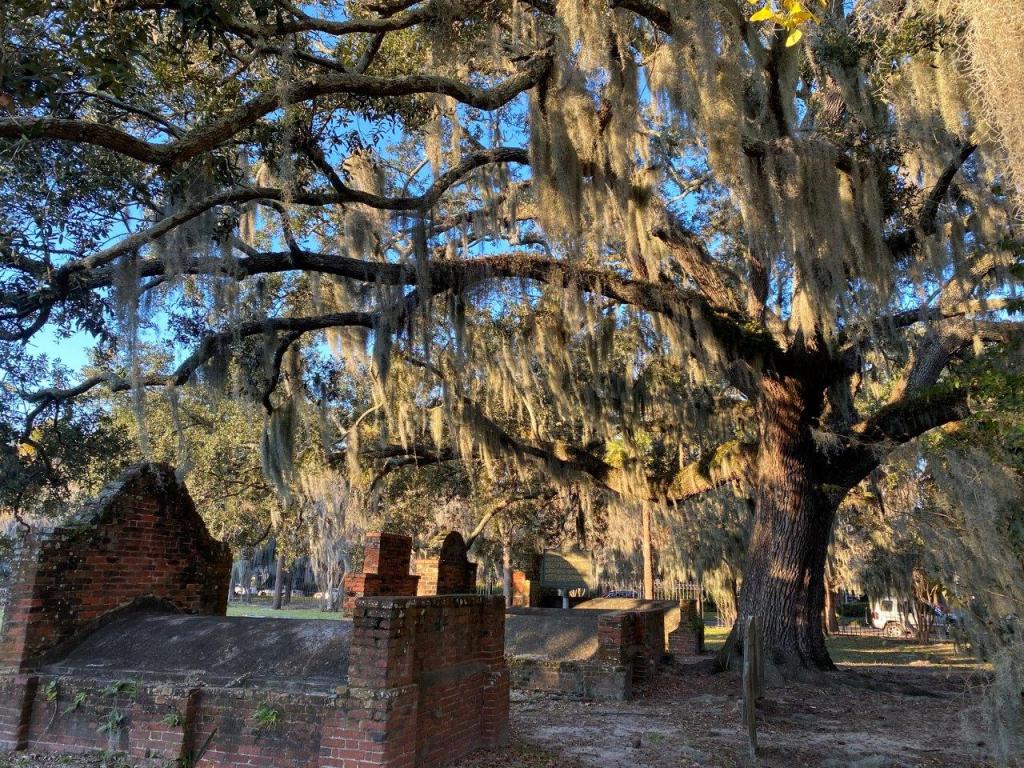
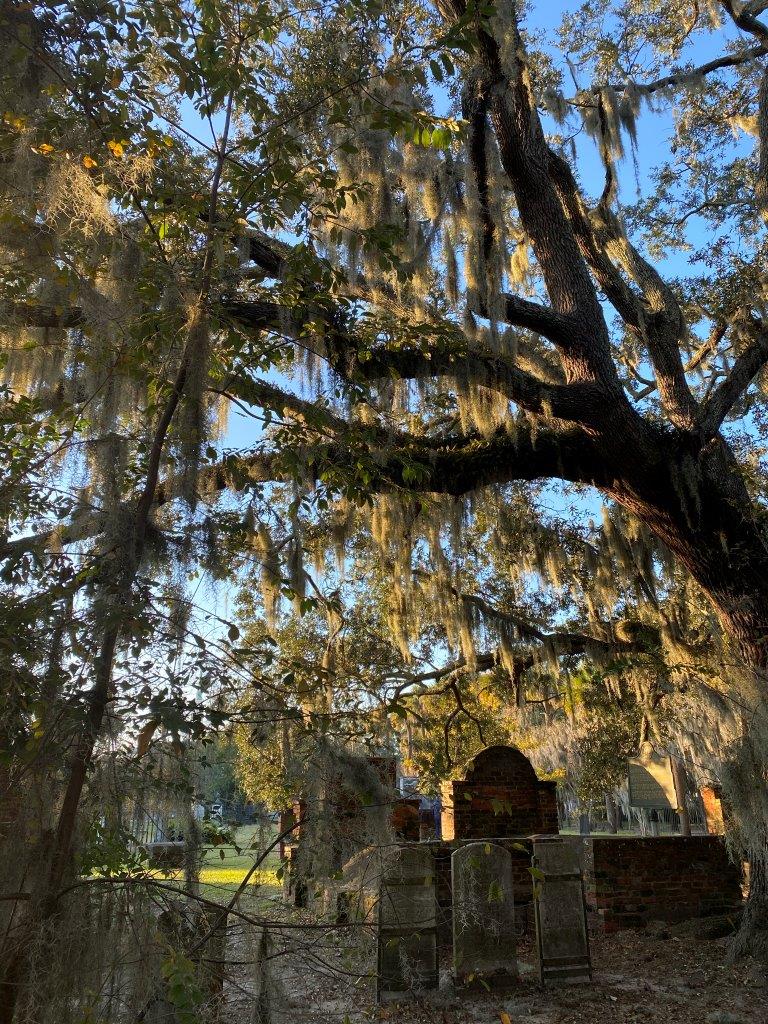
- Colonial Park Cemetery (established in 1750) – The cemetery became a city park in 1896 (over 40 years after burials ceased). While there were no longer burials in the cemetery prior to the Civil War, several hundred Union troops occupied the cemetery as a camp while in Savannah. They damaged and altered many of the stone markers and using the vaults are shelter from the cold. Along the back wall of the cemetery, are pieces of the tombstones that have been pieced back together. Another fact about the cemetery we learned, people do not realize that the cemetery extends beyond the fence into Abercorn Street. So when you walk down that sidewalk or drive in the road you are actually walking/driving over the graves of those buried in Colonial Park Cemetery. As it was said many times to us, the city was built on top of it’s dead.
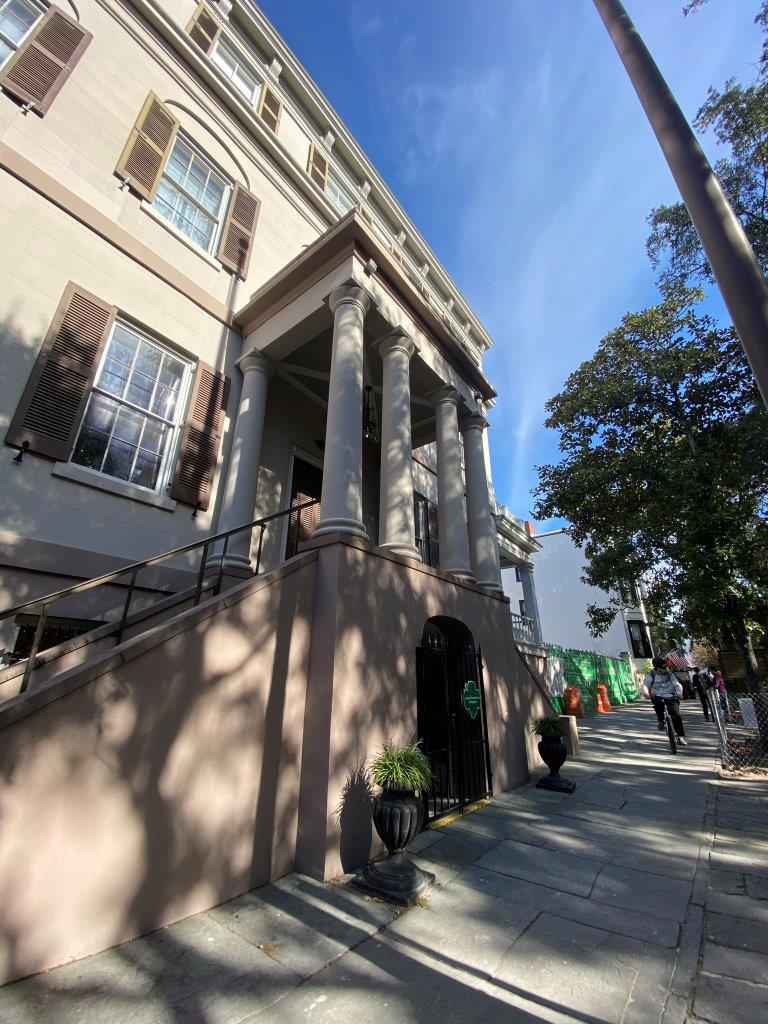
- The Juliette Gordon Low Birthplace – This home where Girl Scout founder Juliette Gordon Low was born and lived as a child. The Girl Scouts of the USA purchased the home in 1953.
- The Sorrel-Weed House (Madison Square) – The house was built in the 1830s for French Haitian merchant Francis Sorrel. The house has been featured on HGTV for it’s architecture, but also on SyFy Channel for its ghosts. I went in this house on a haunted Savannah tour years ago and it is CREEPY at night!
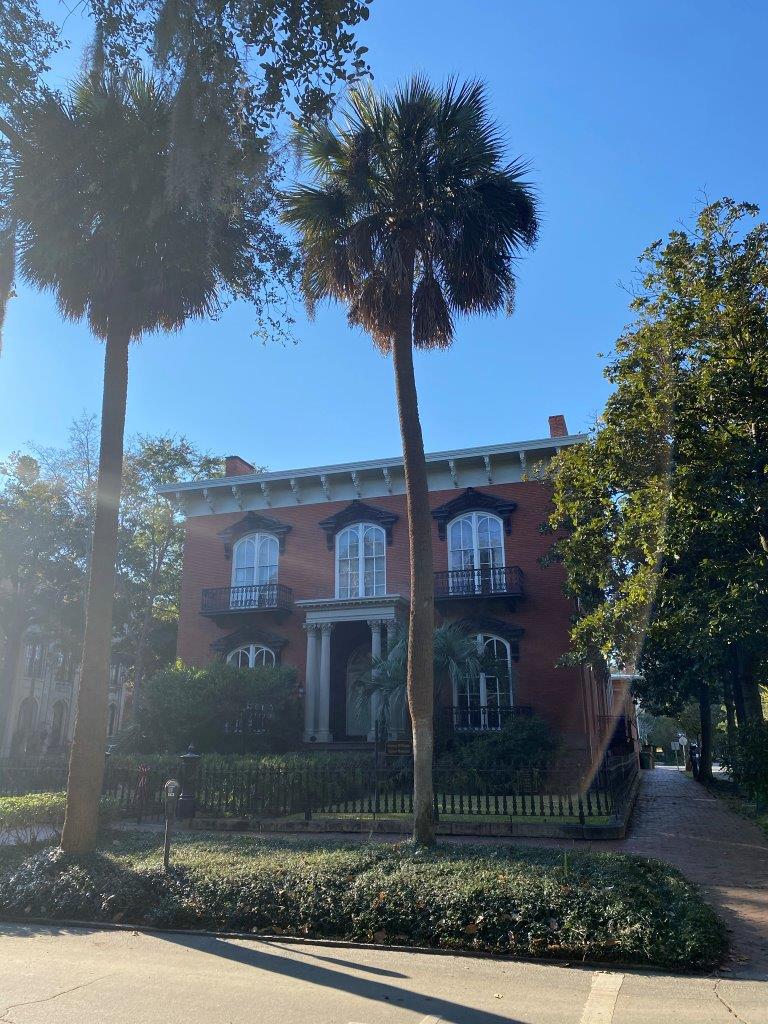
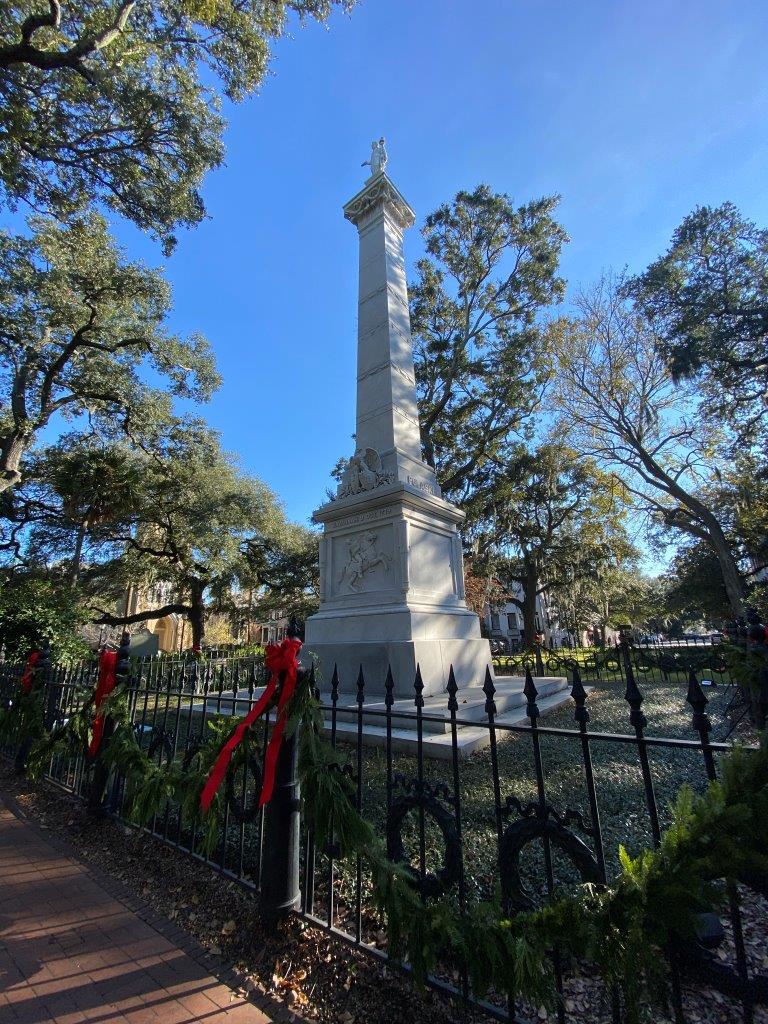
The Mercer House
Some of the places we ate at during the week were:
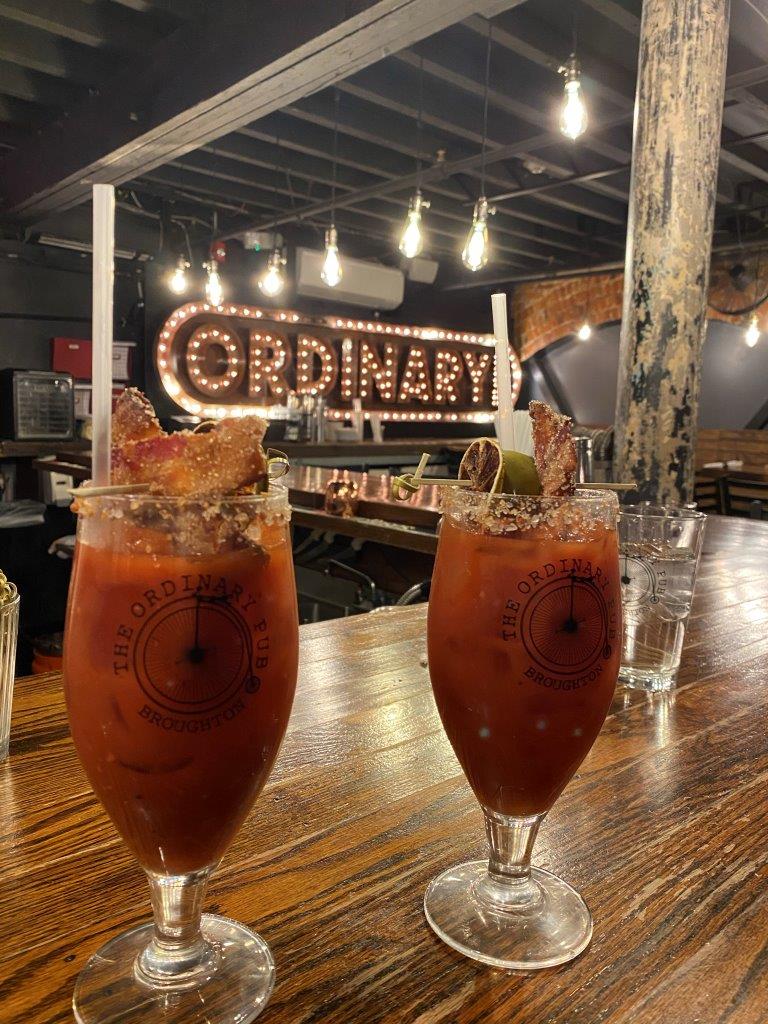
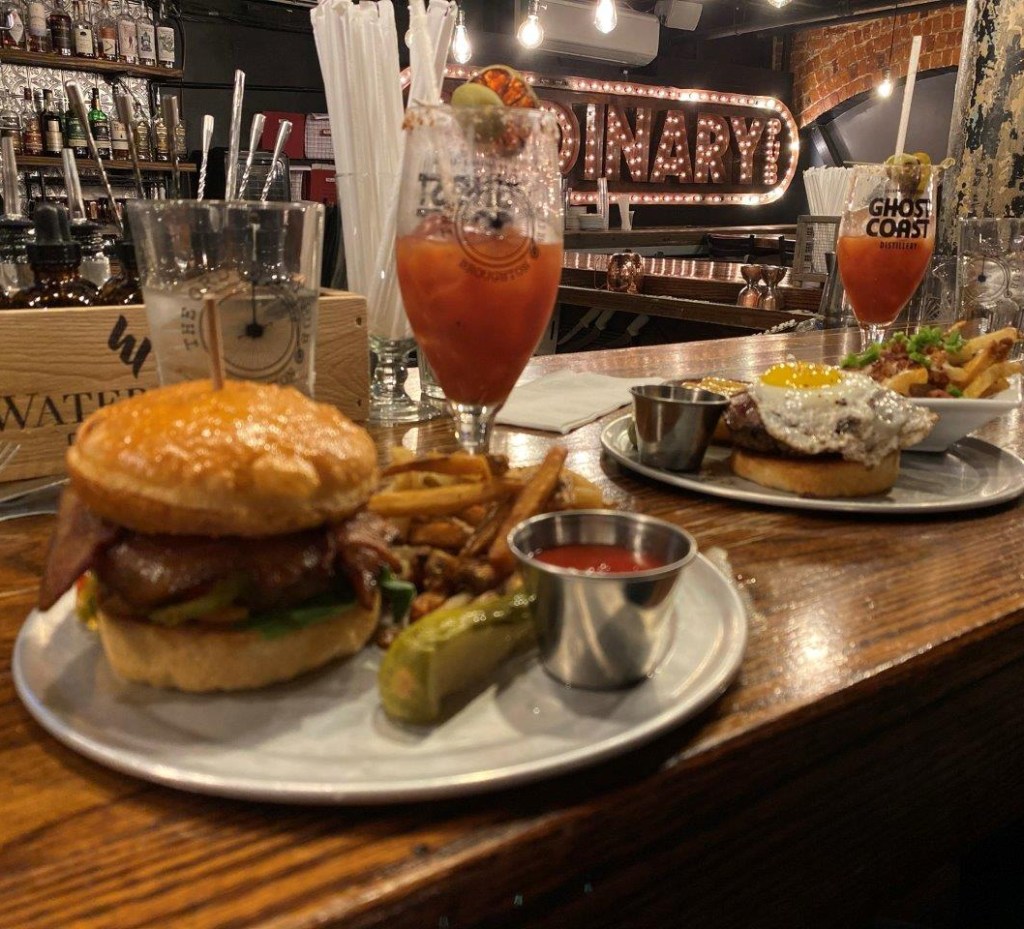
- The Ordinary Pub where we tried their bacon bloody mary and had burgers for lunch.
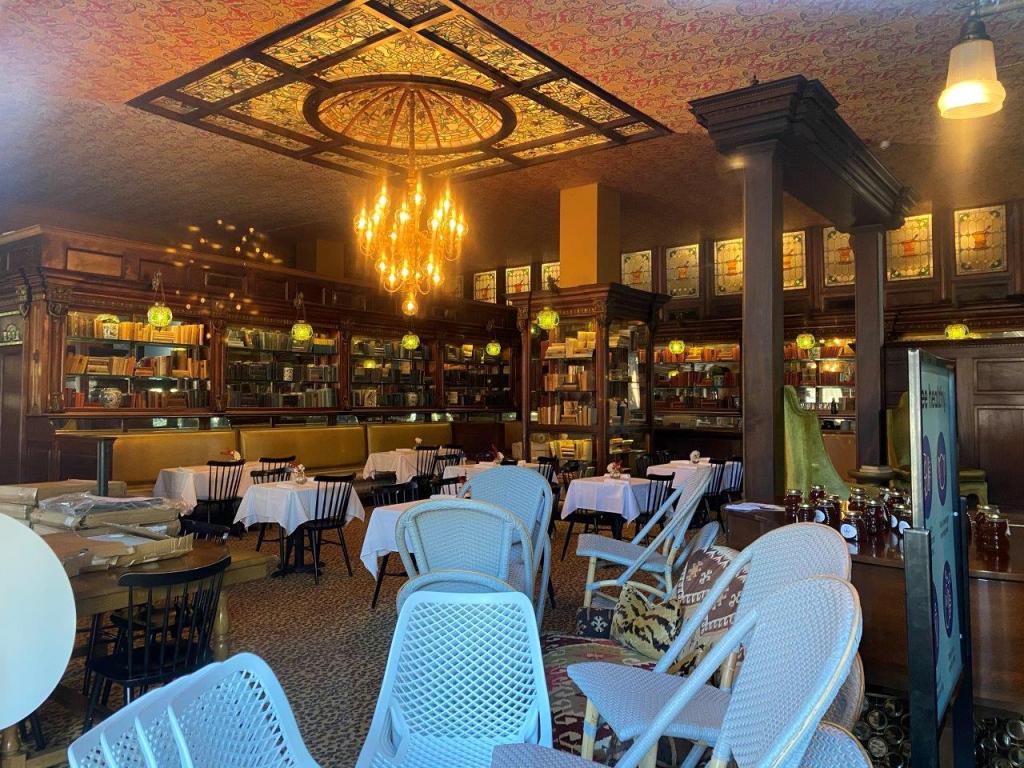
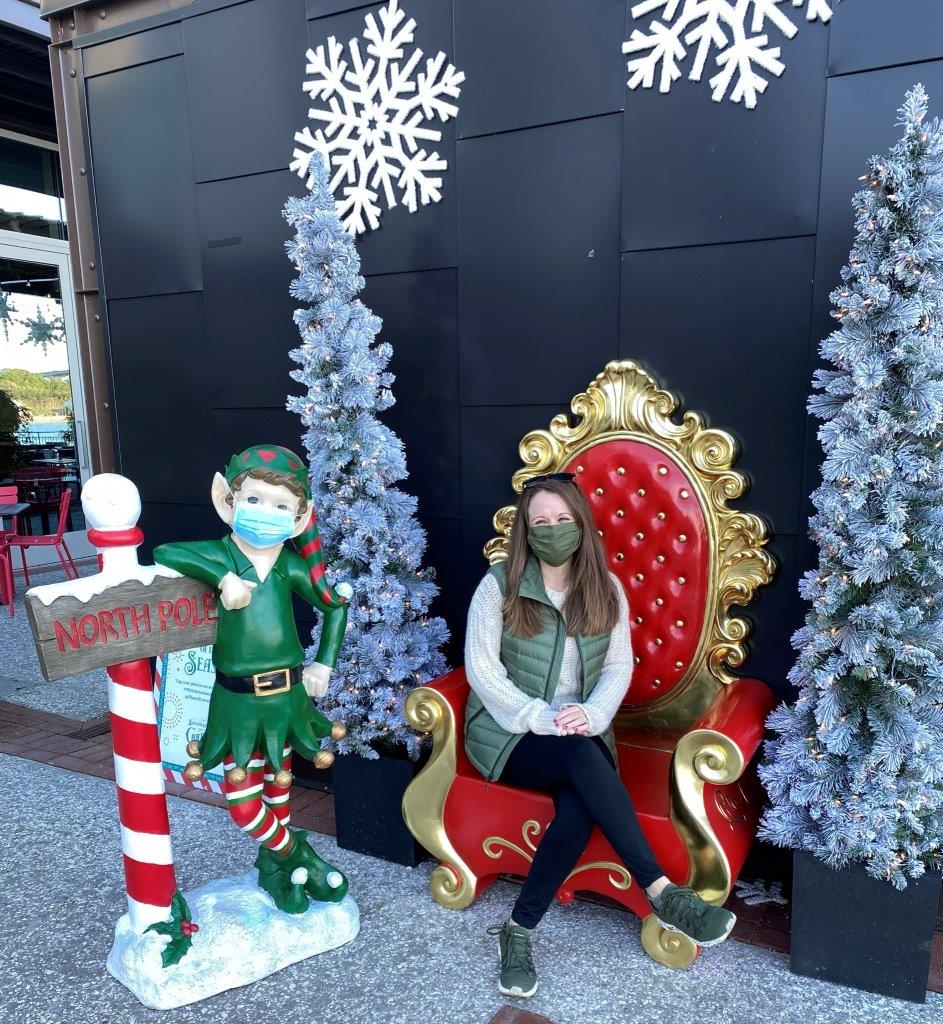
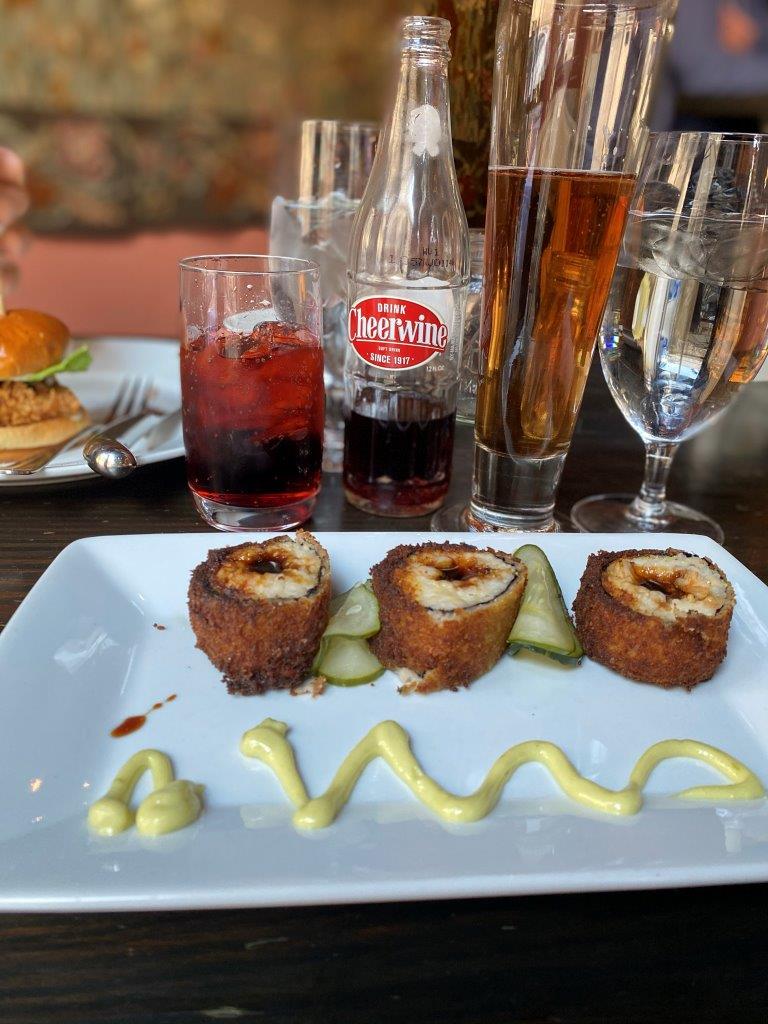
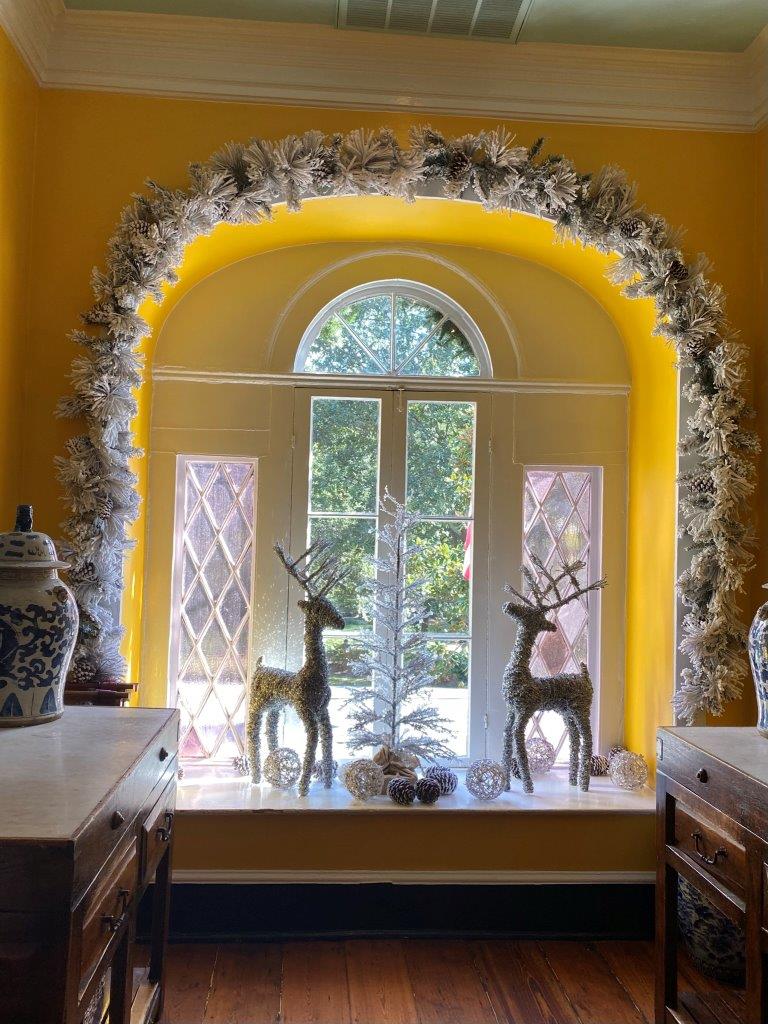
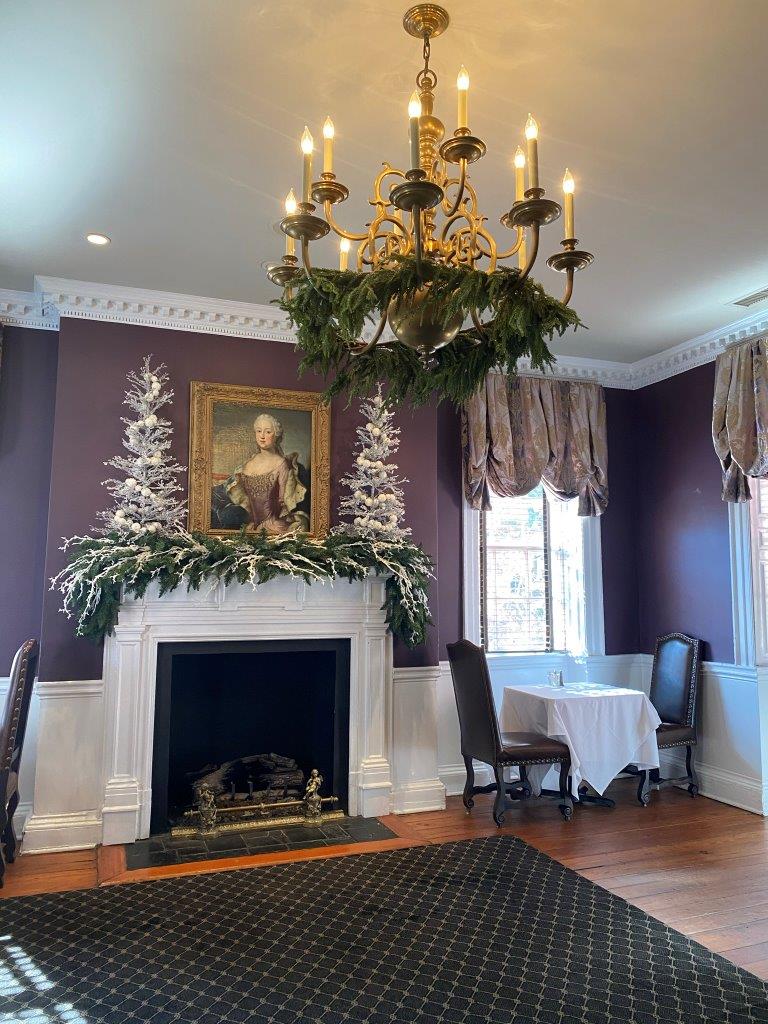
- The Olde Pink House located in Reynolds Square is where we had lunch one day. I had the she crab soup and southern sushi. Jonathan had a fish sandwich. The hostess told us neither the upstairs nor the tavern downstairs were being used for seating during lunch and we were welcome to go look around. It was beautiful and decorated for the holidays. The full history of The Olde Pink House can be found by clicking here. A fun fact is it housed the Planter’s Bank, the first bank in Georgia, and housed the monies of all the colonists (today the vaults are used as wine cellars). Also the house is pink in color due to the soft native Georgia brick used to build the house bled through the white plastered walls.
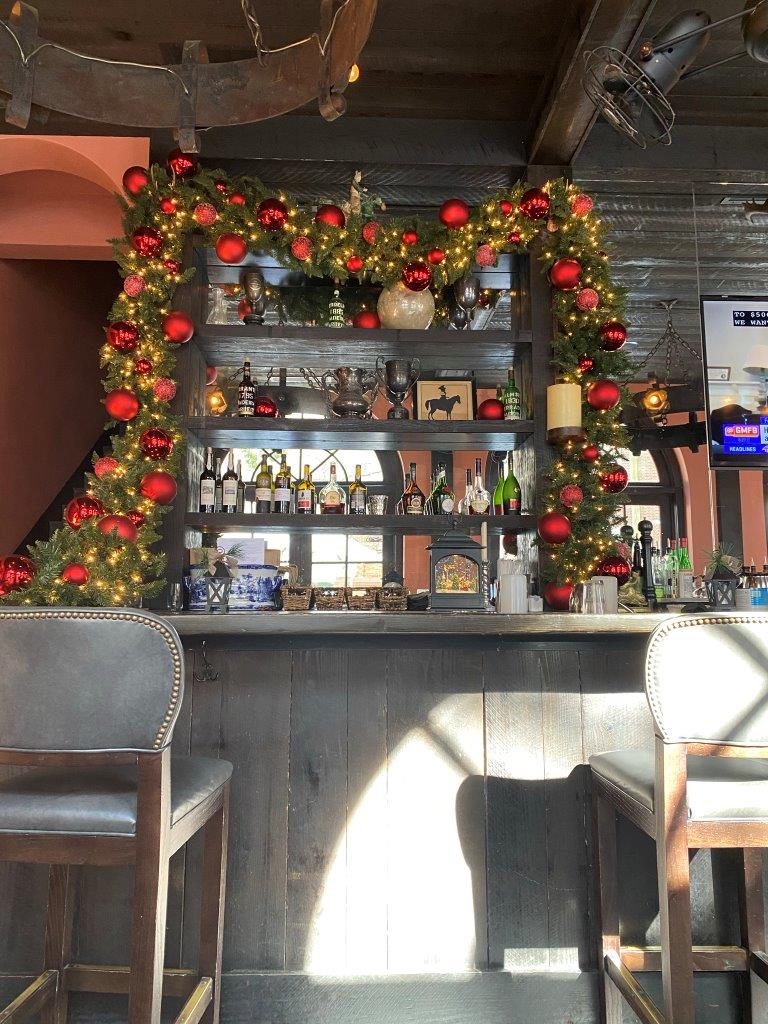
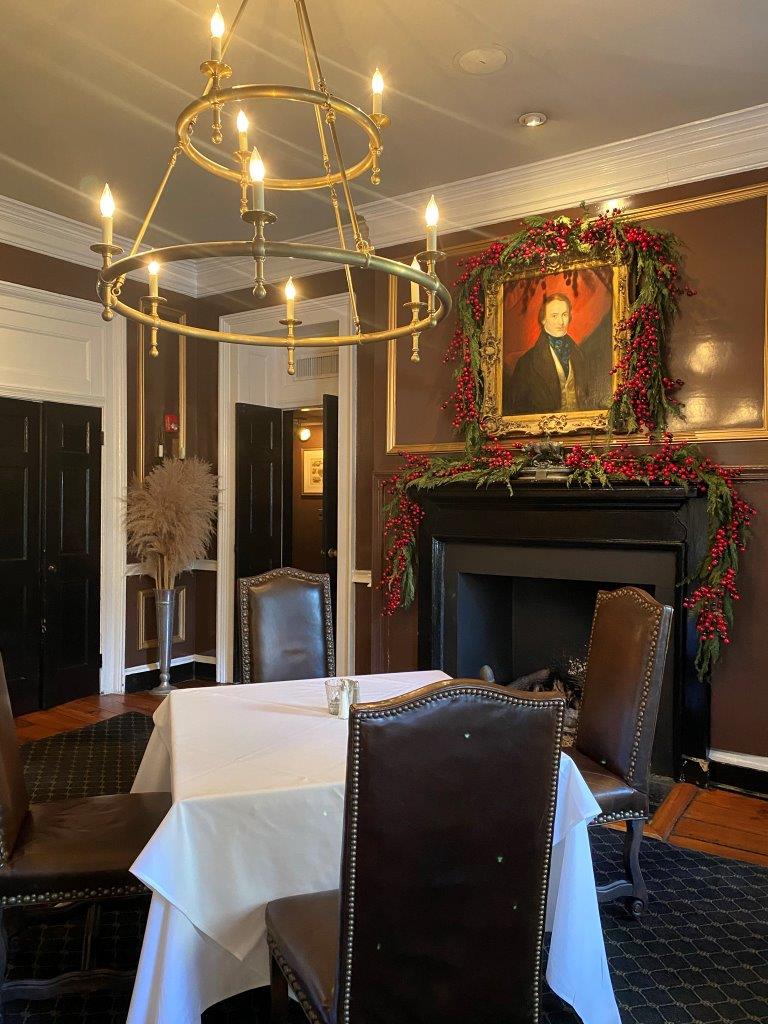
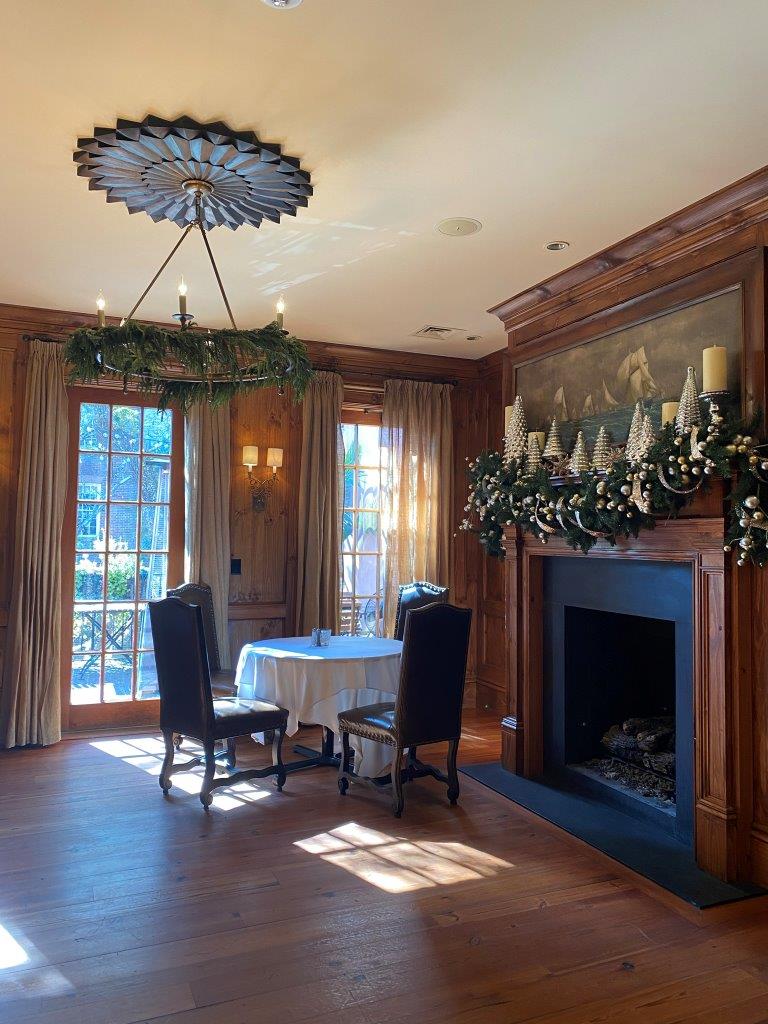
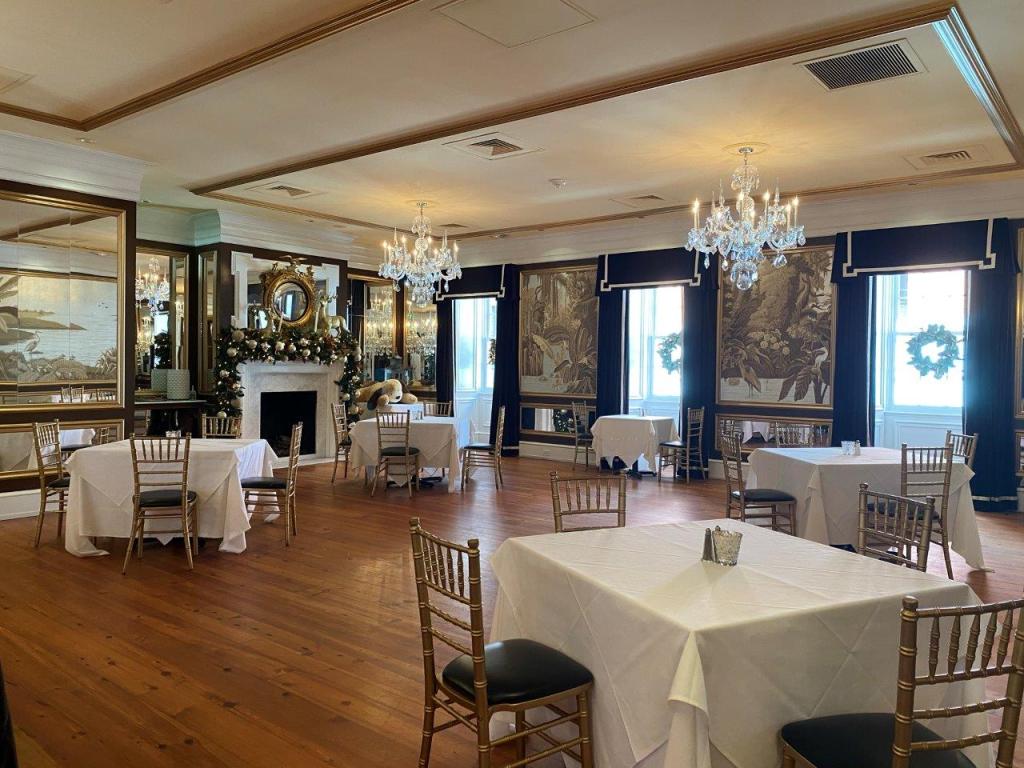
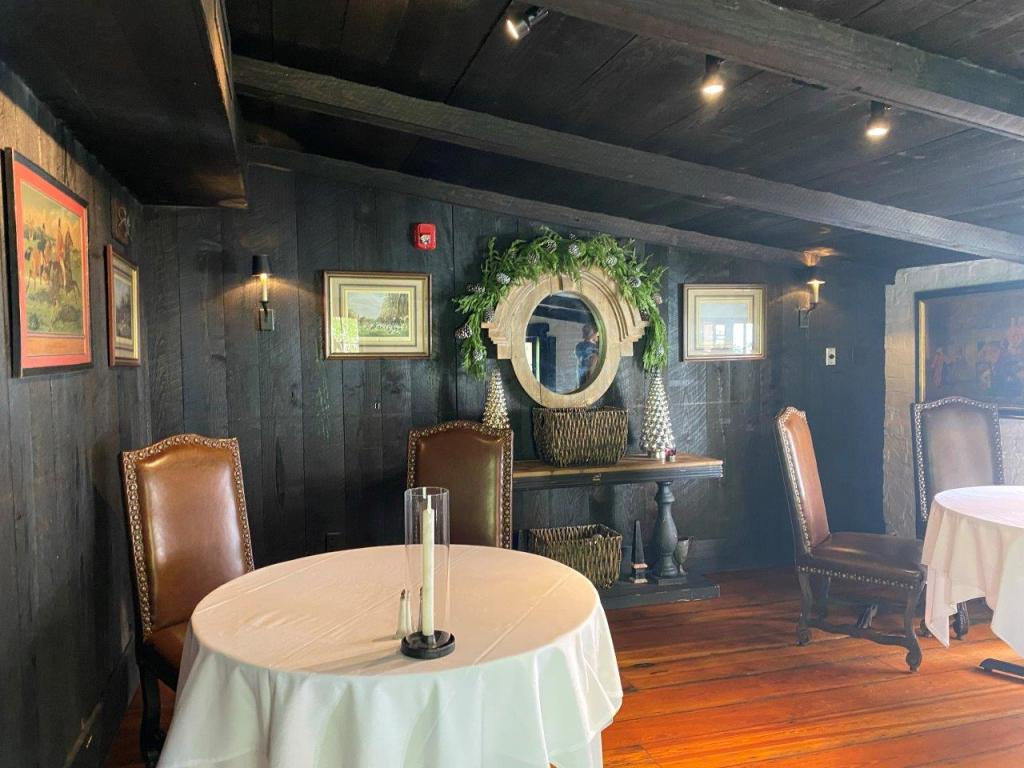
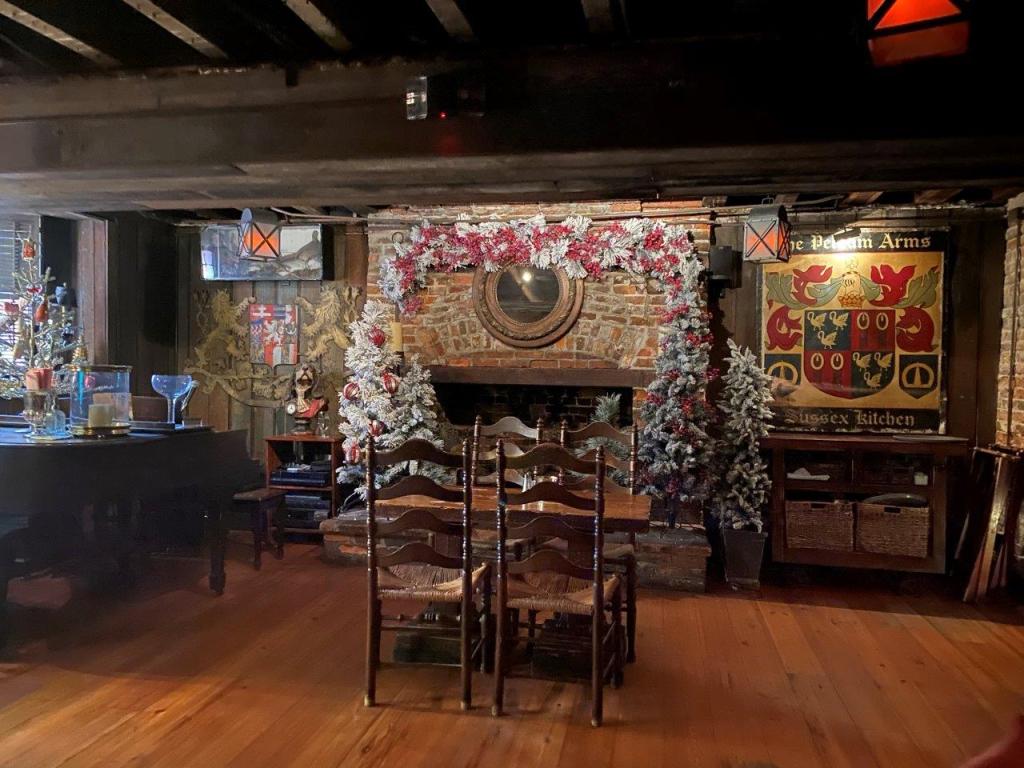
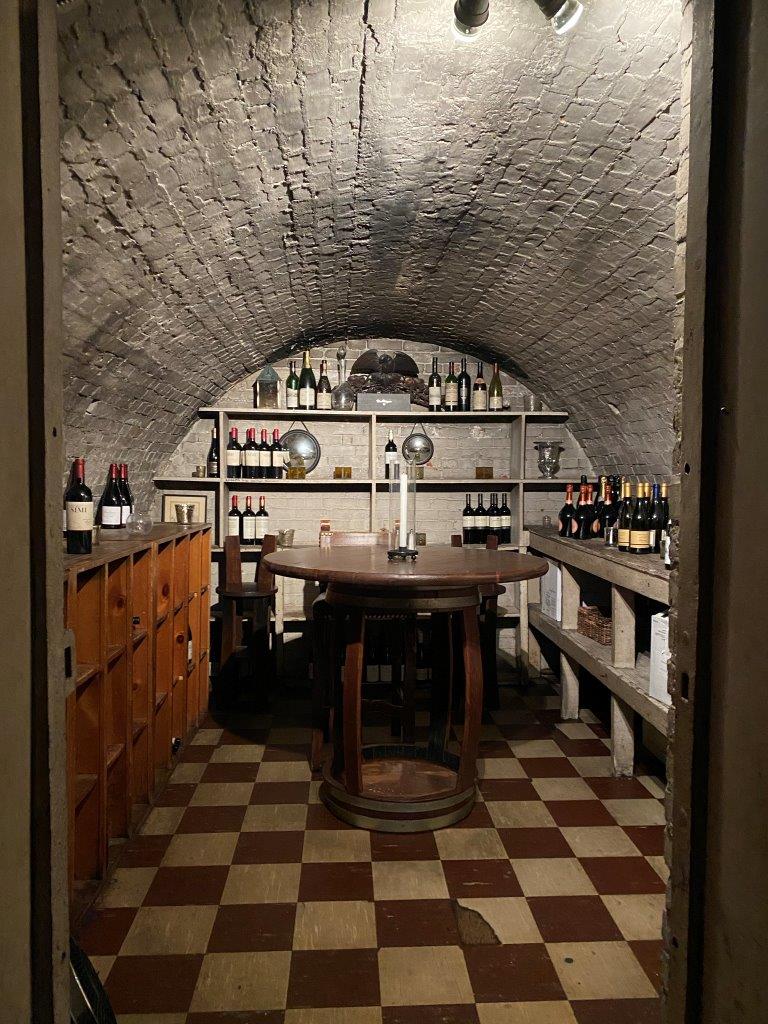
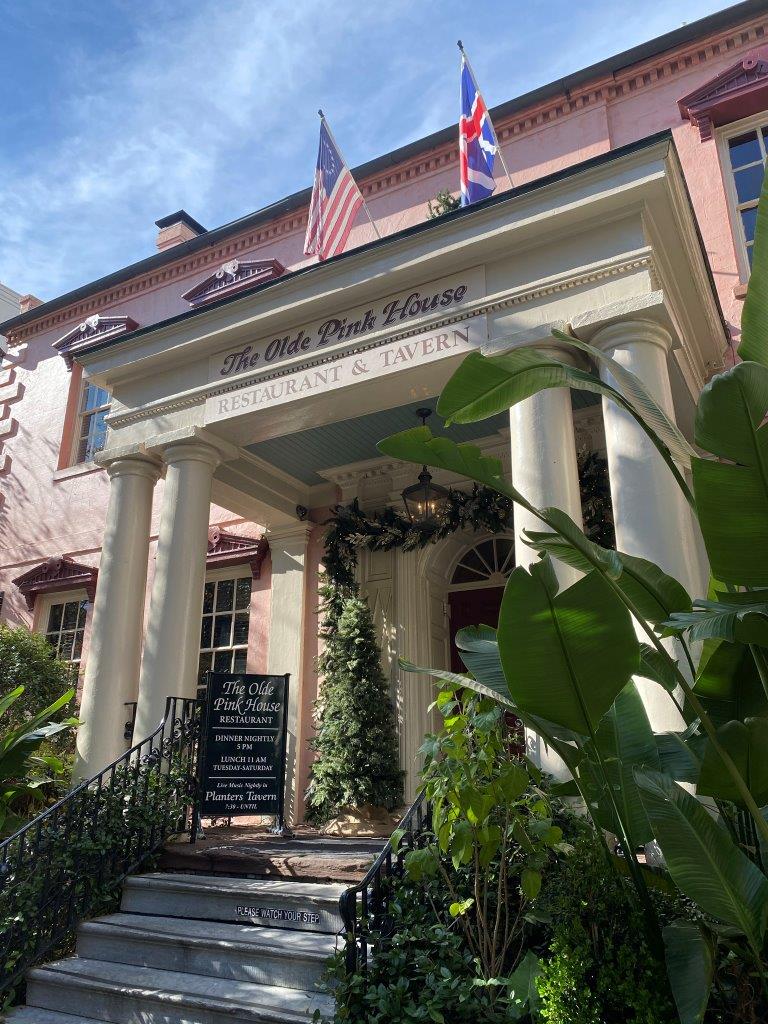
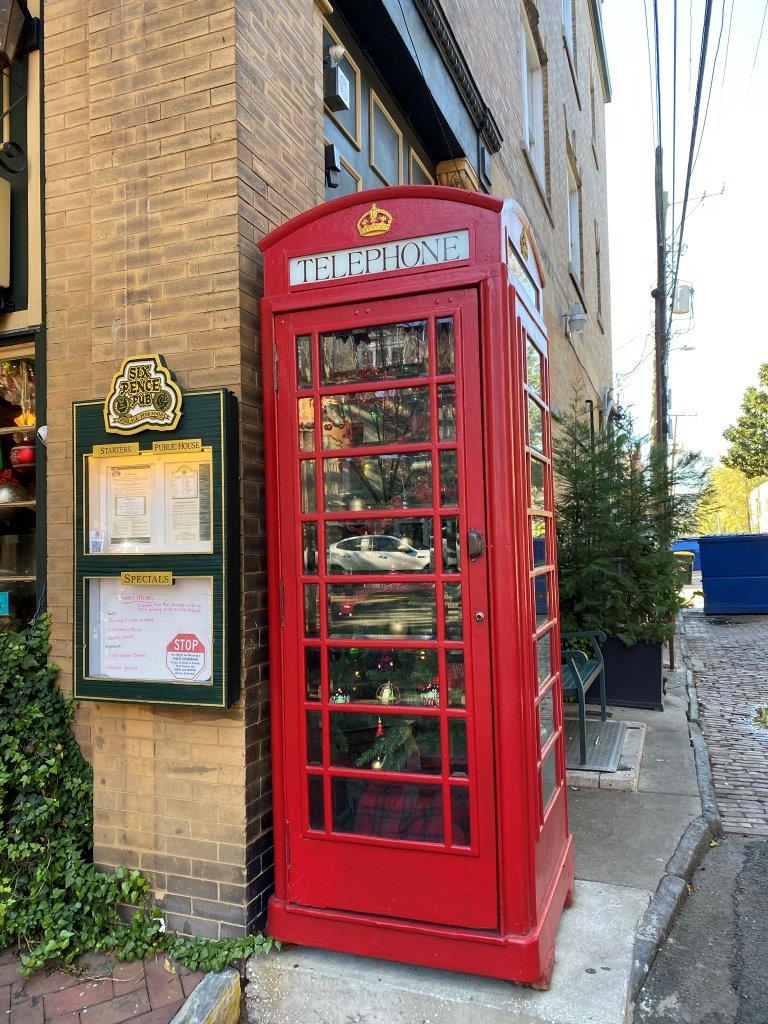
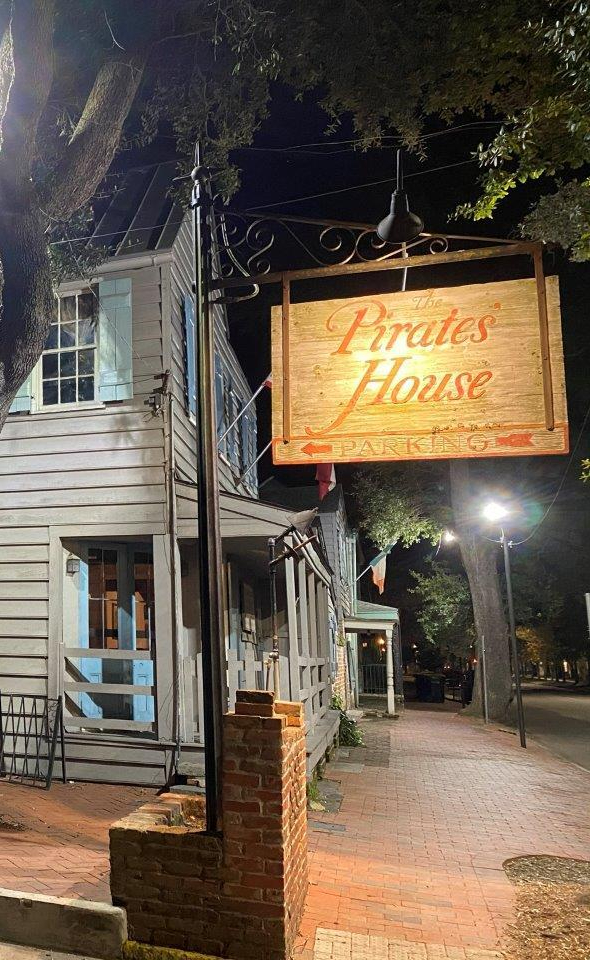
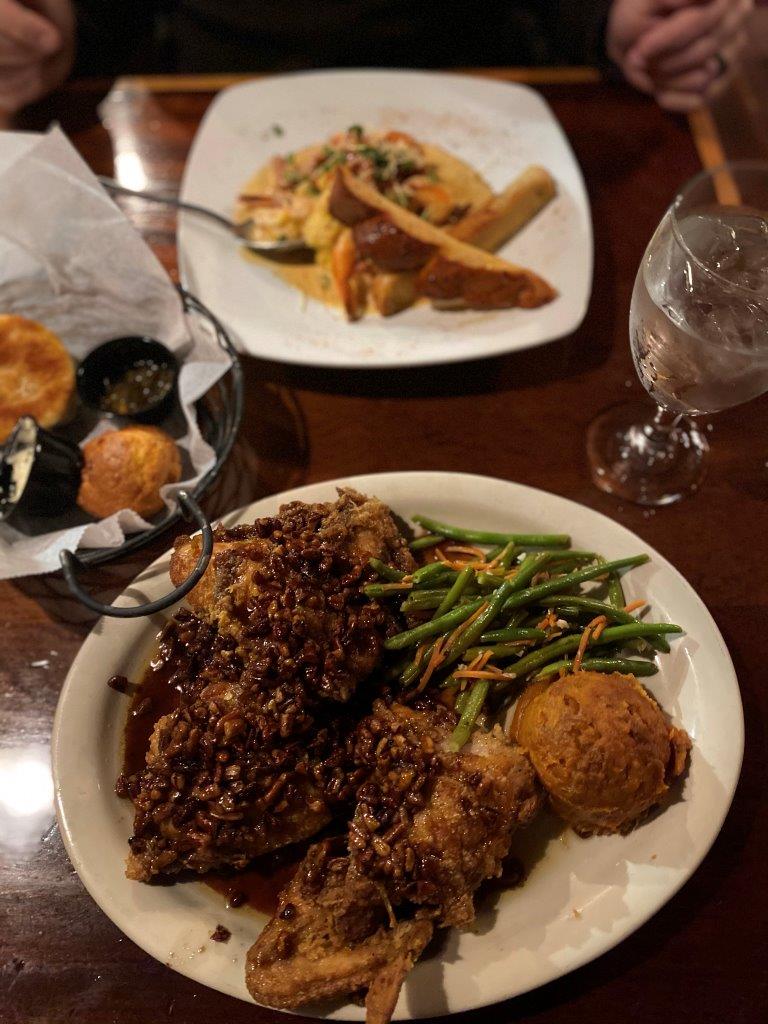
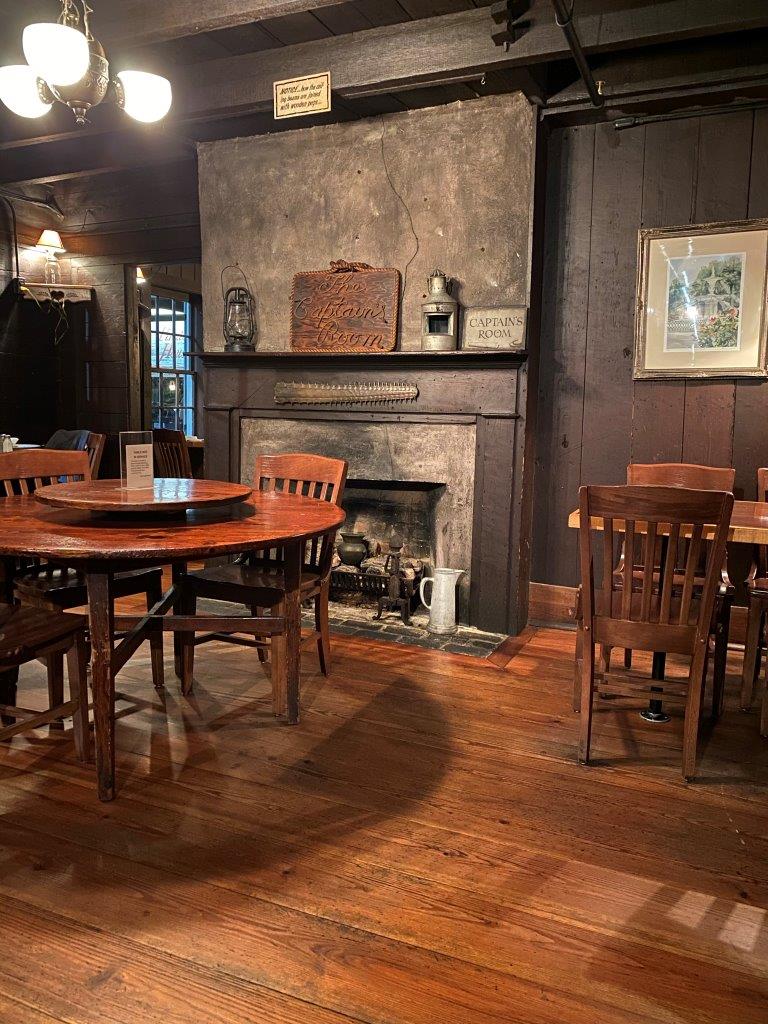
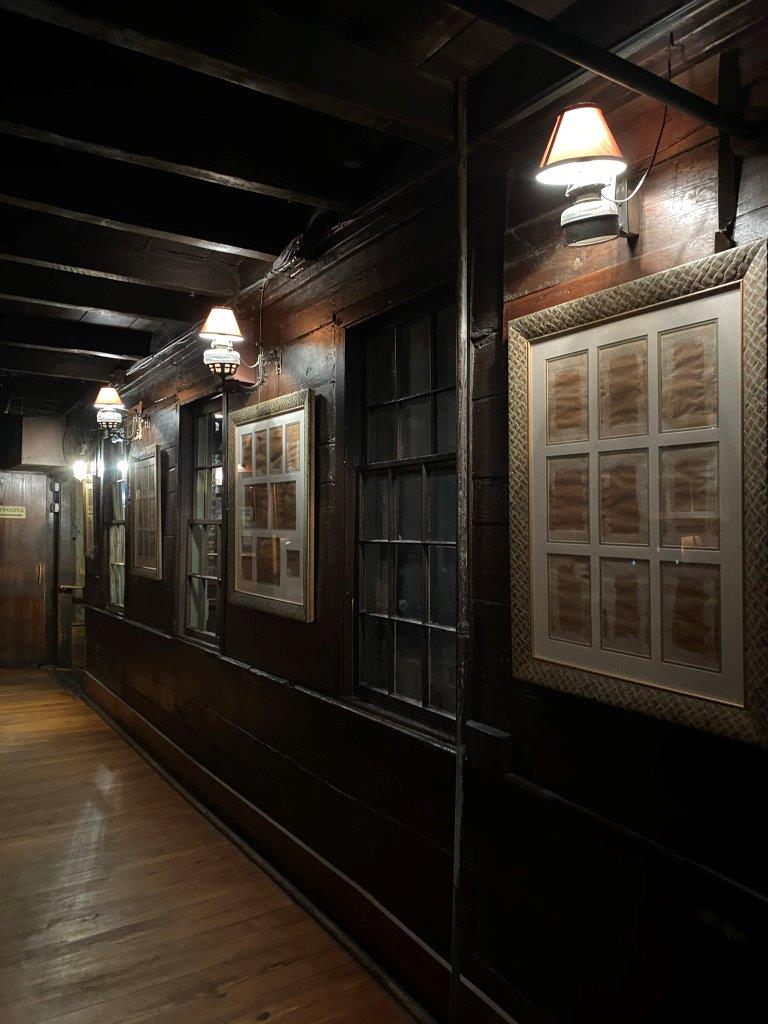
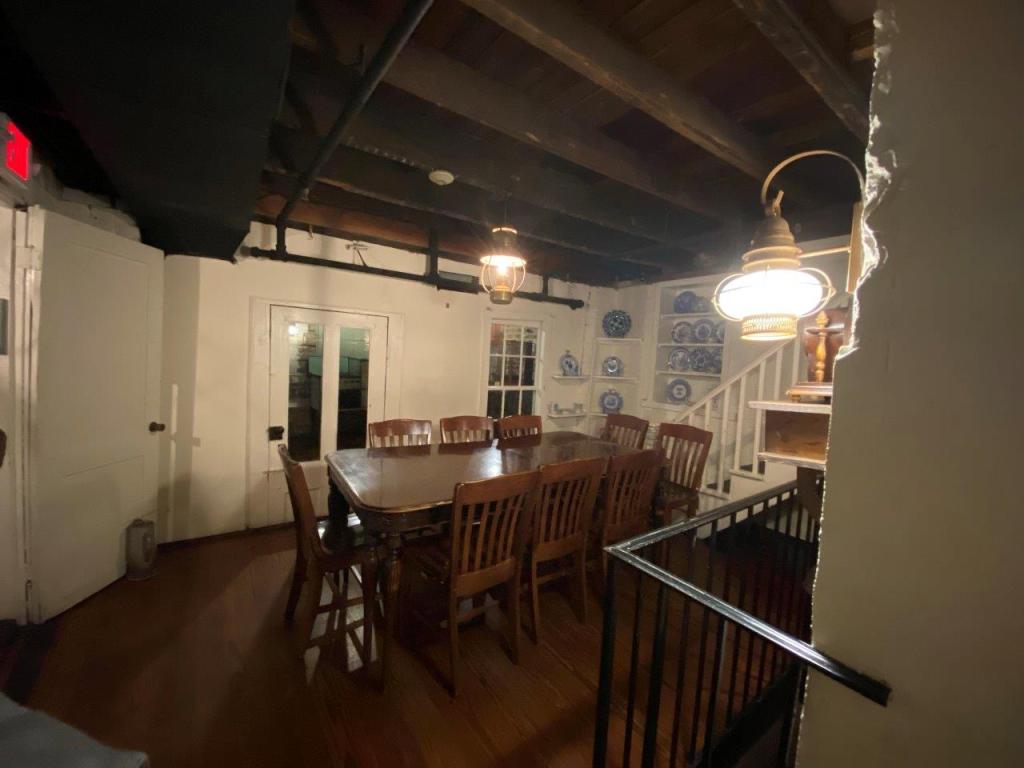
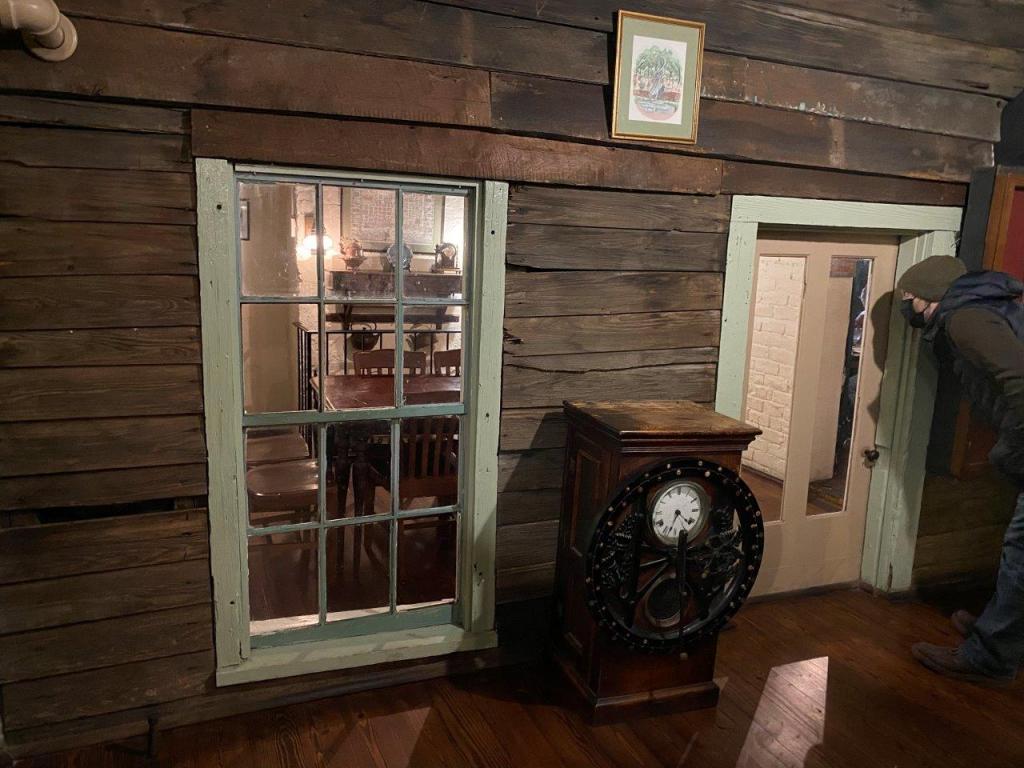
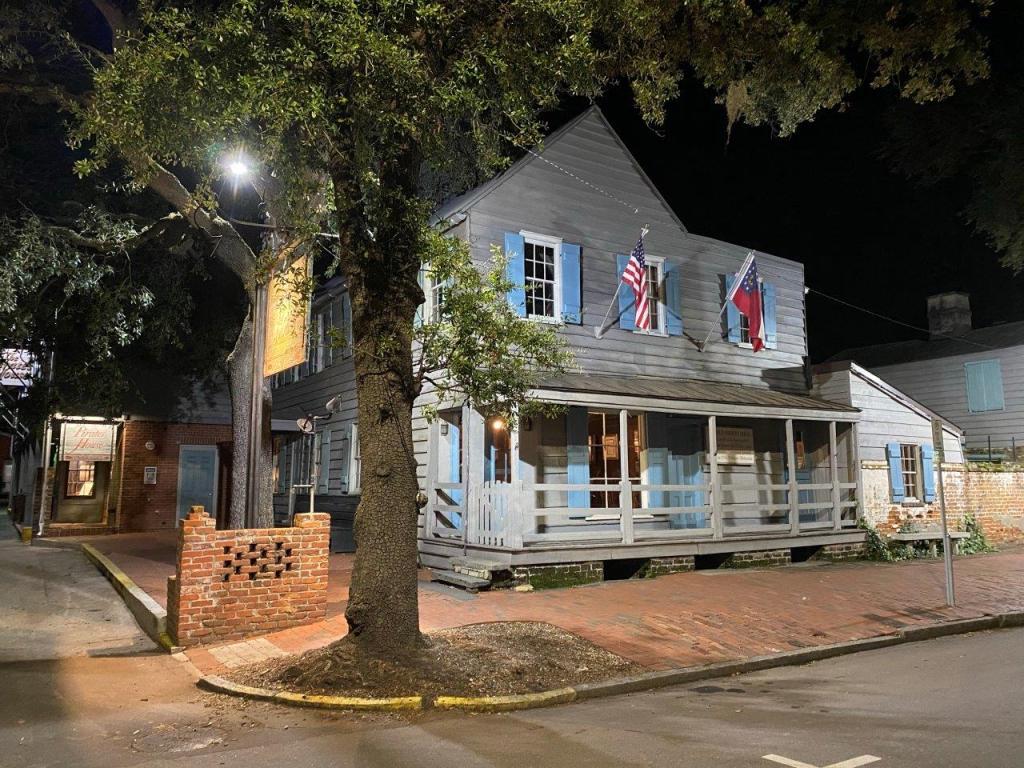
- The Pirates’ House which is located on one of the most historic spots in Georgia. It is the location of the first public agricultural experimental garden in America. The Herb House portion of the restaurant is said to be the oldest standing structure in the state of Georgia. Also hence the name, the inn was also a rendezvous for pirates and visiting sailors. And if the history and haunts aren’t reason enough to visit the restaurant, the food is delicious and the portions are huge! I had the award winning honey pecan fried chicken and Jonathan had the shrimp n’ grits. The restaurant wasn’t busy so our waiter told us to walk around and check out the building before we left.
- One night while we were there, we didn’t feel like venturing out for dinner and decided to have a Vinnie Van Go-Go’s pizza delivered. Eating yummy NY style pizza in a hotel bed on vacation is the life!
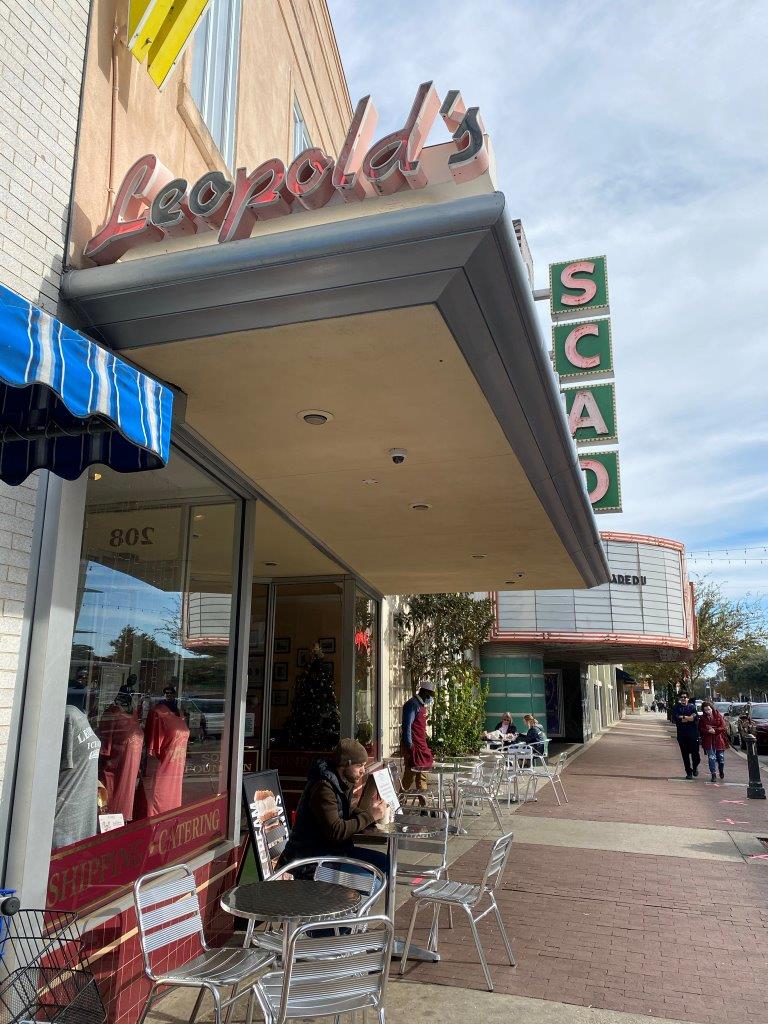
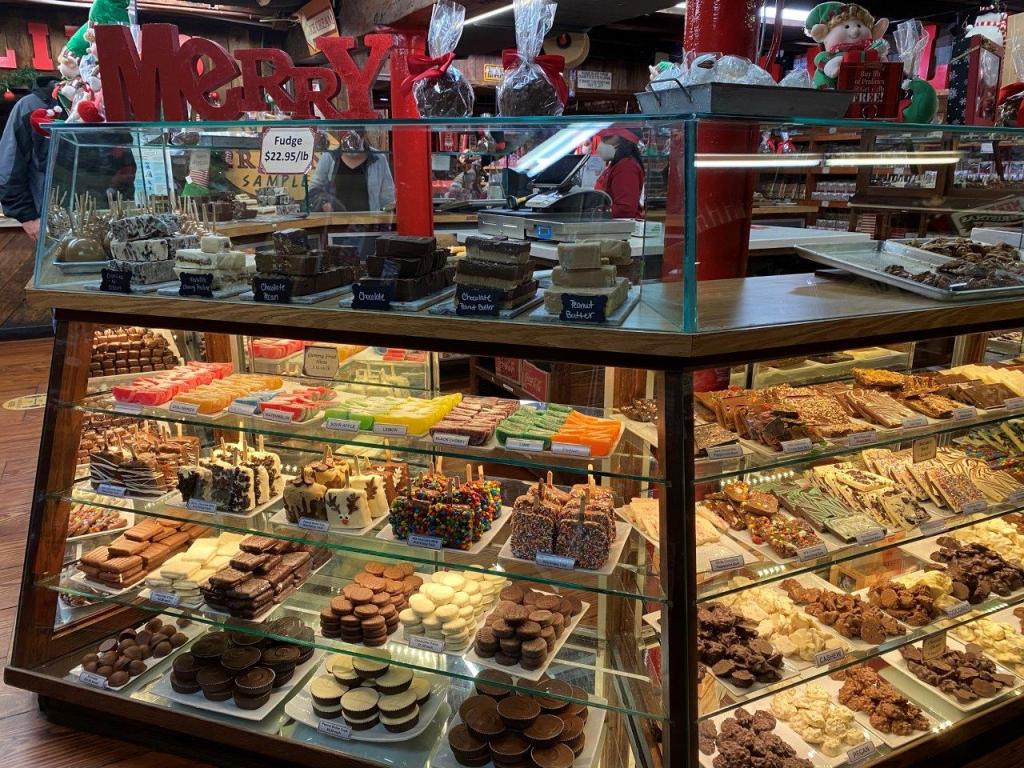
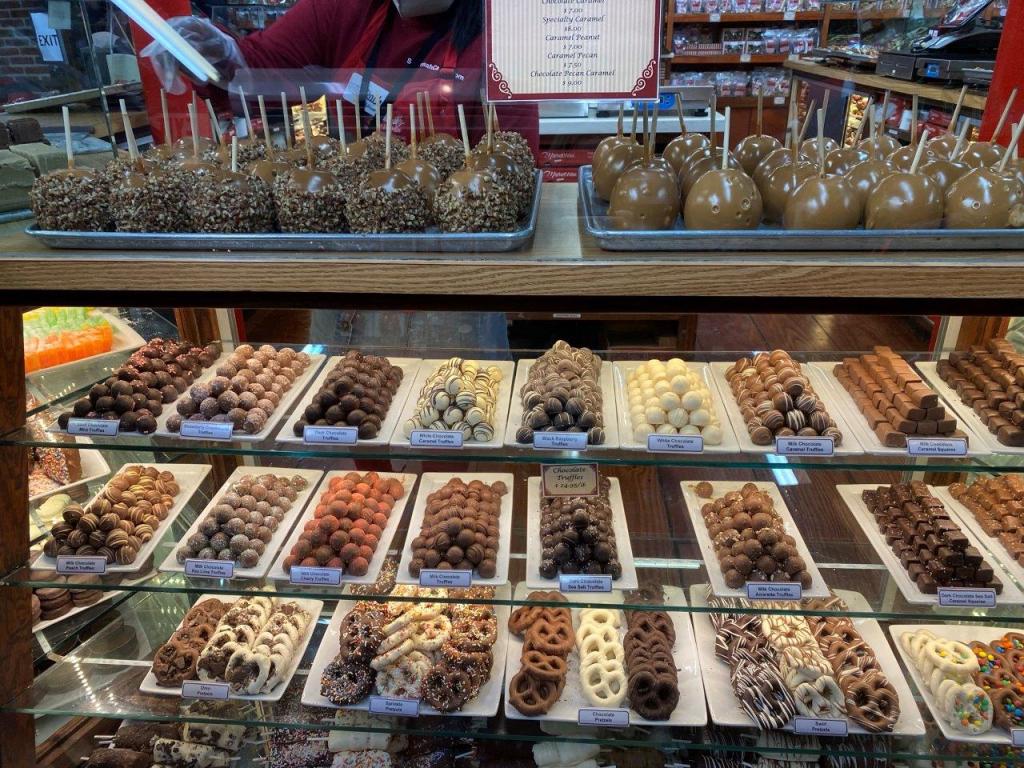
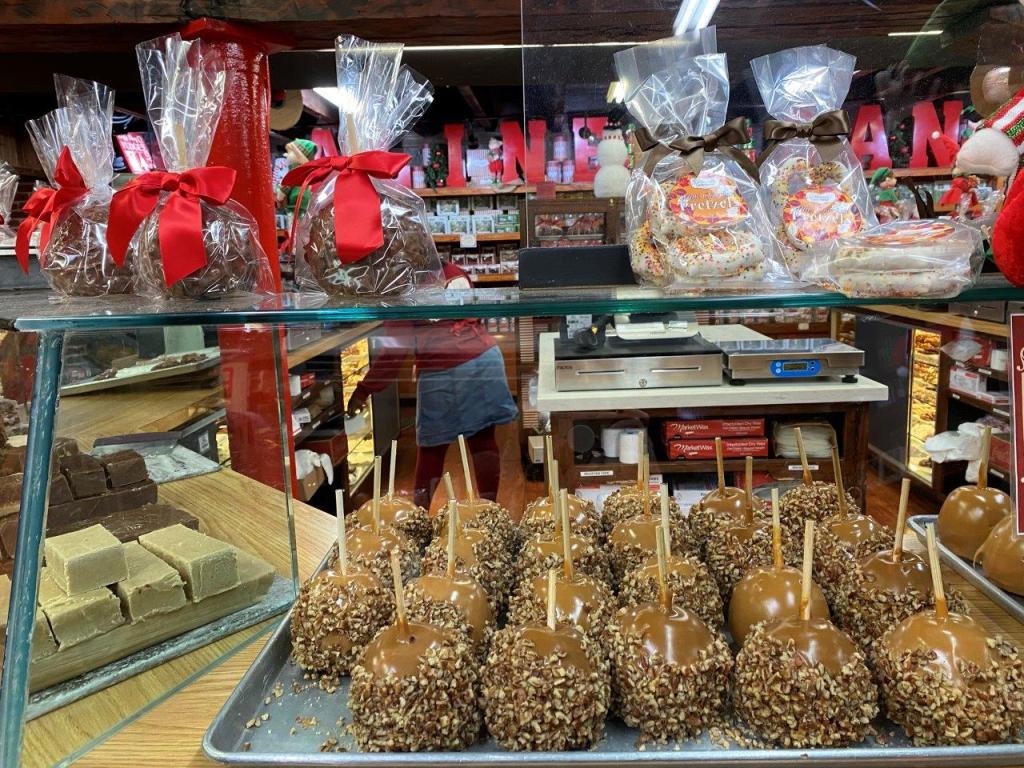
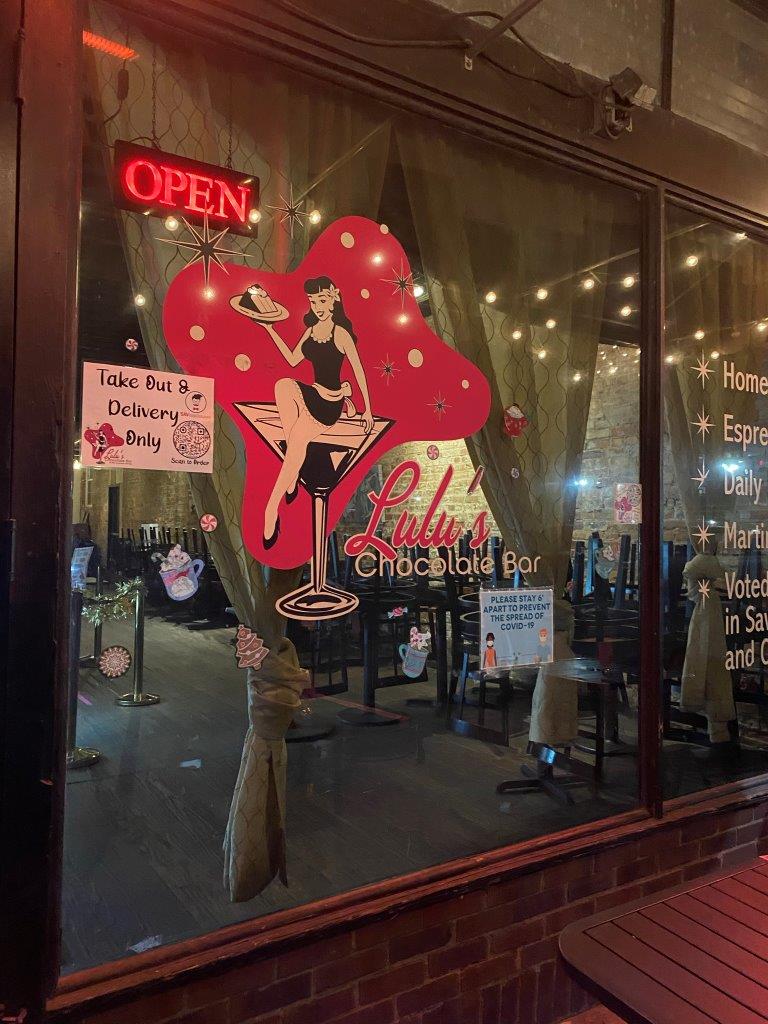
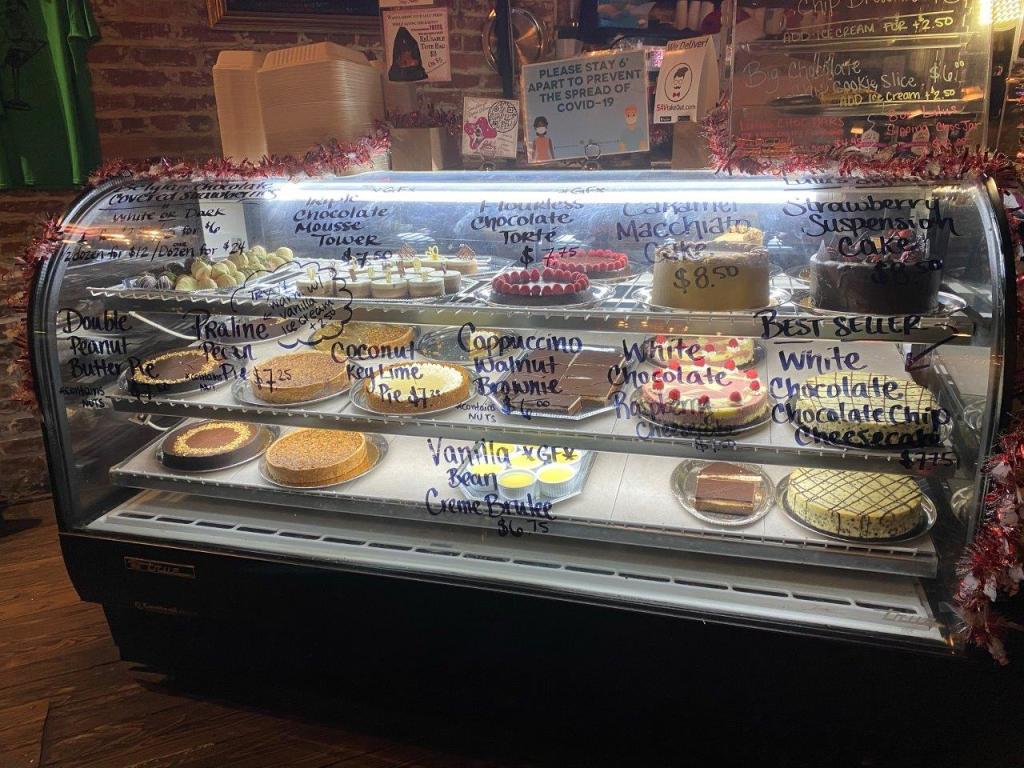
- Leopold’s Ice Cream, Savannah Candy Kitchen on River Street and Lulu’s Chocolate Bar were all good places for desserts
- The local coffee shops I/we tried were The Coffee Fox, Shuga Girl, and The Sentient Bean.
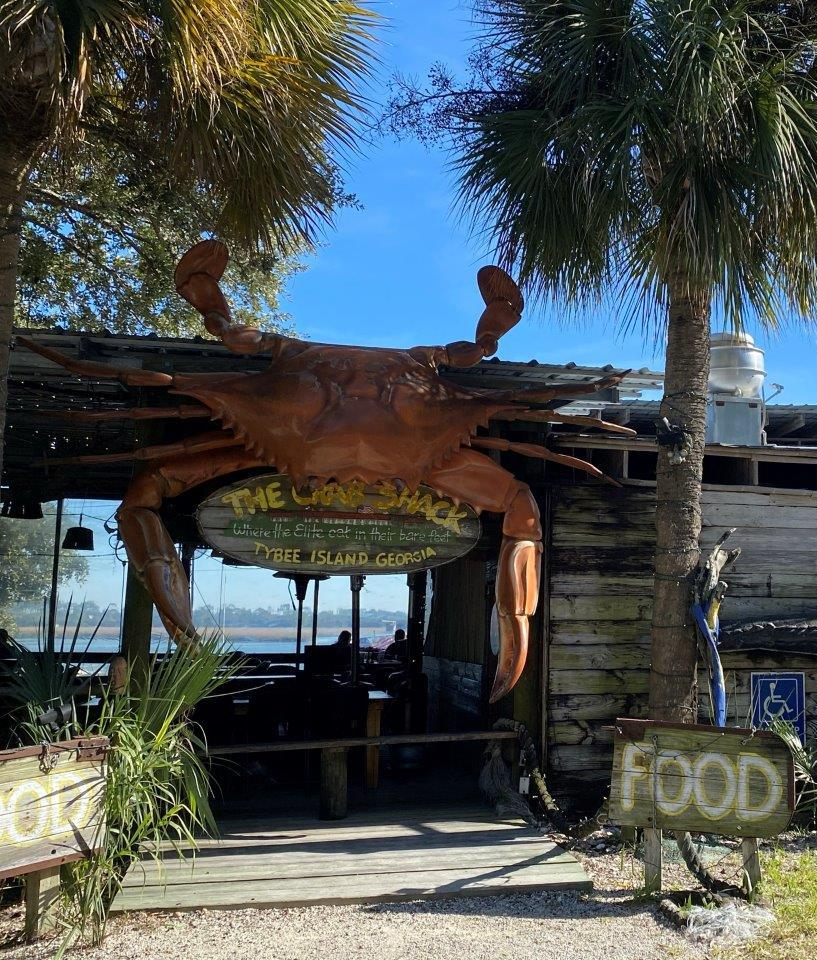
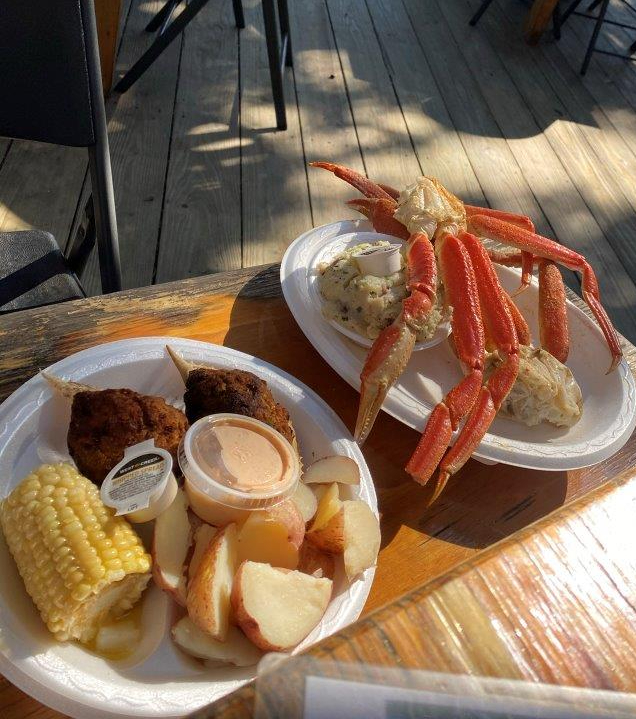
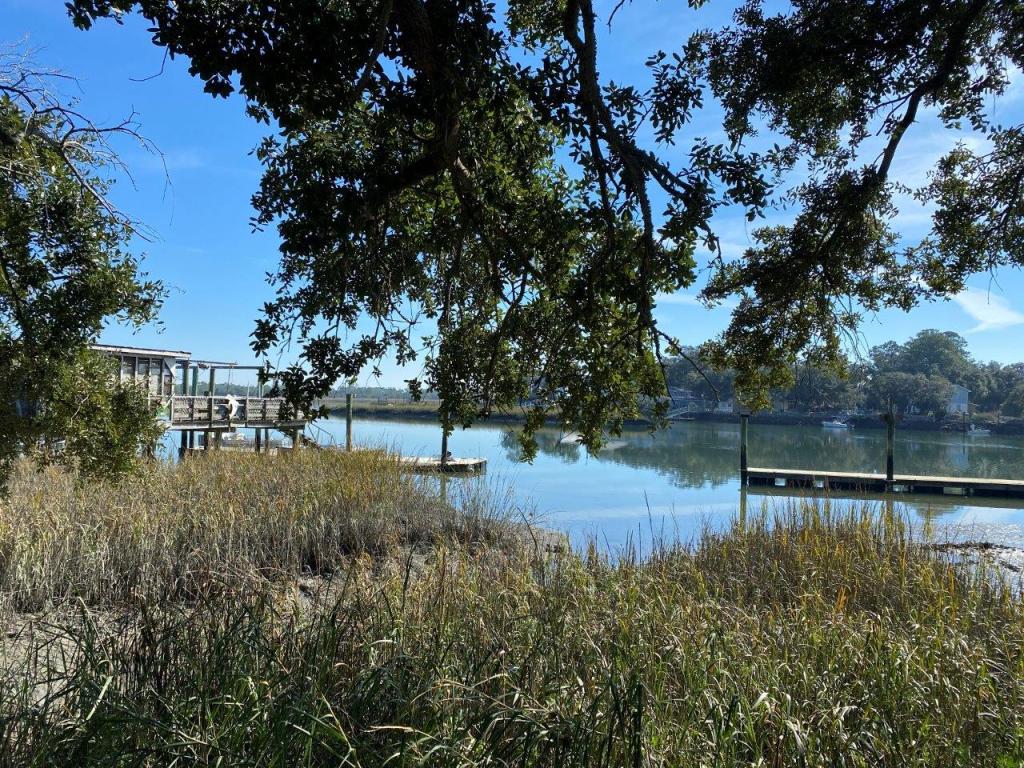
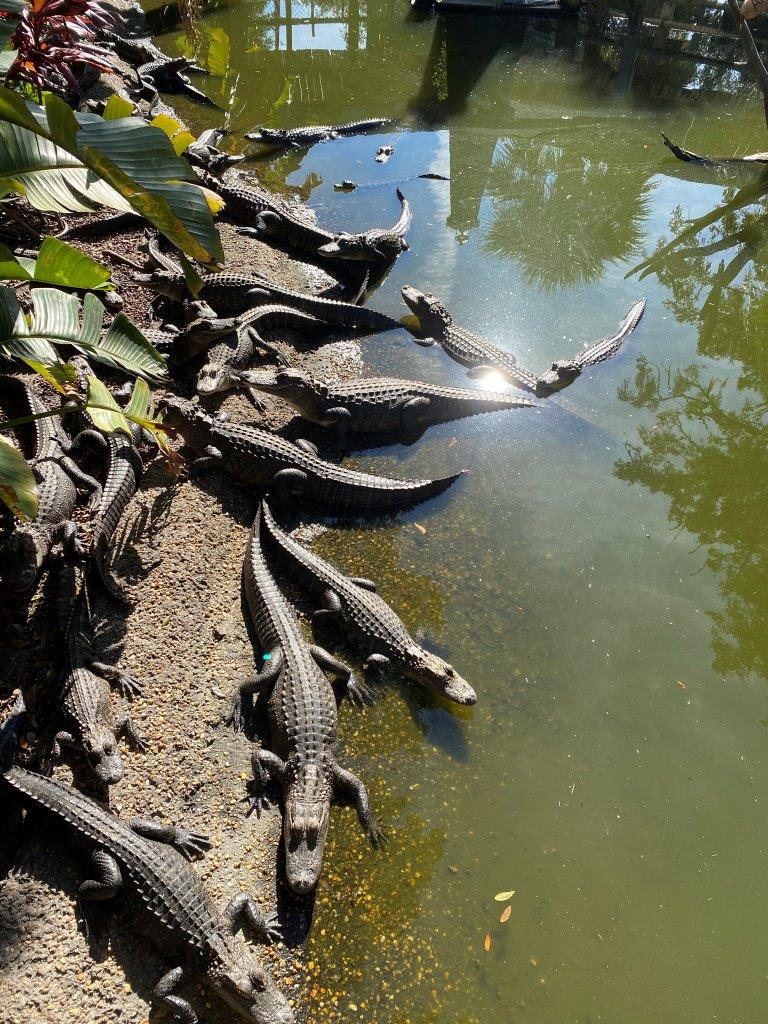
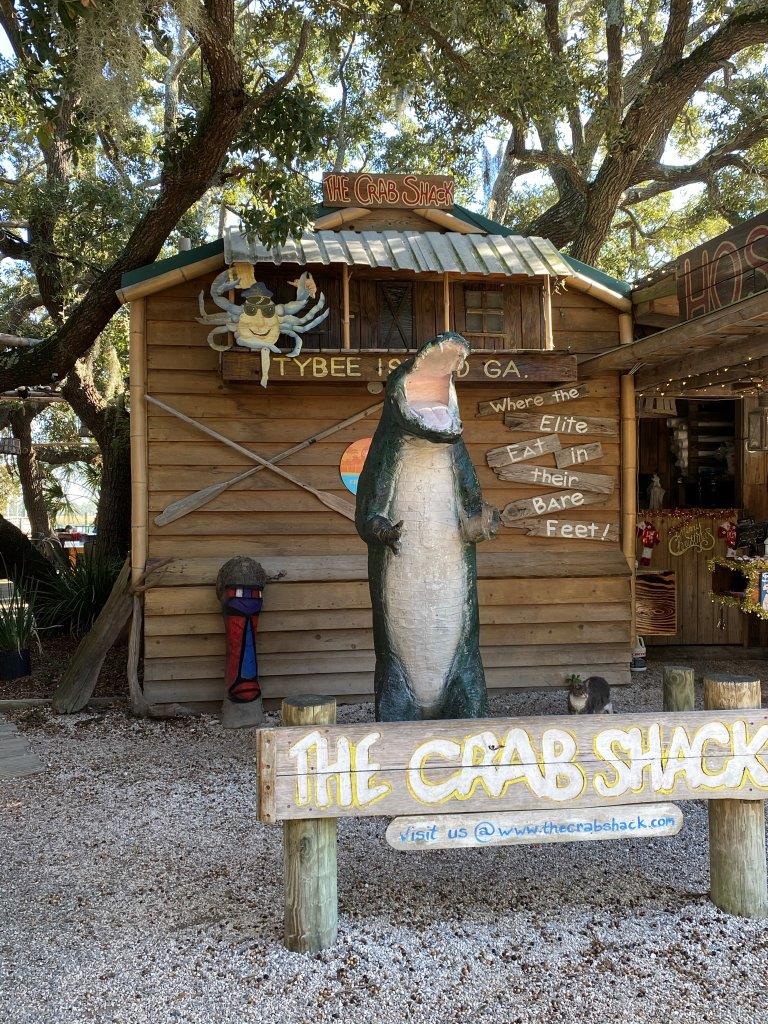
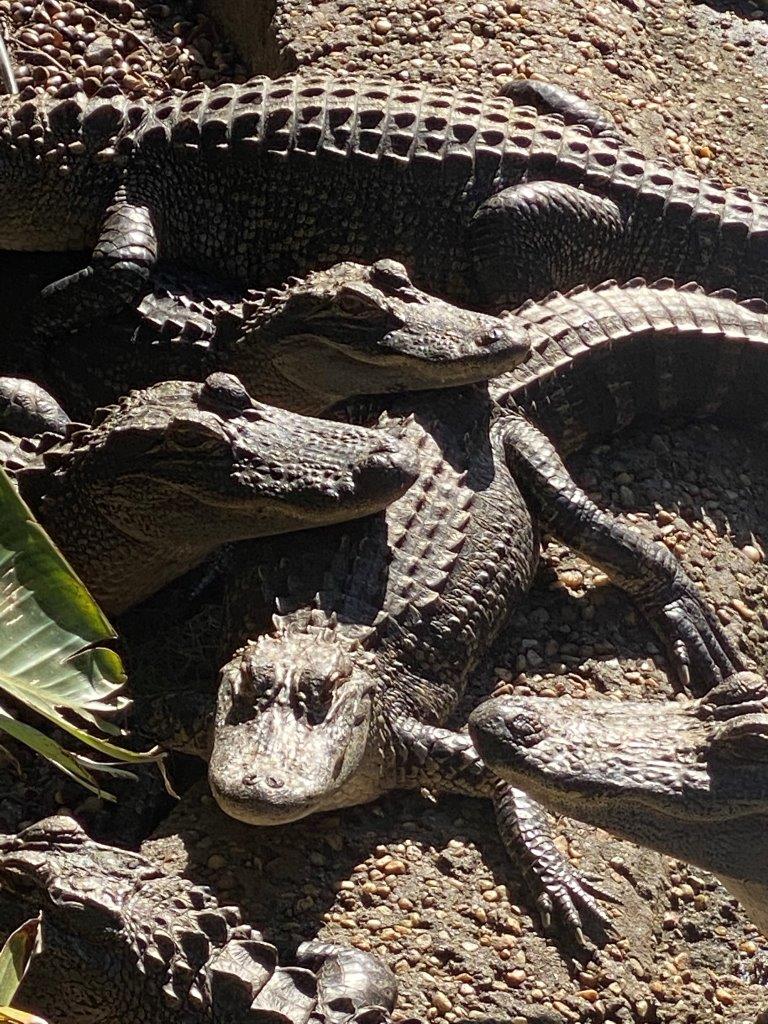
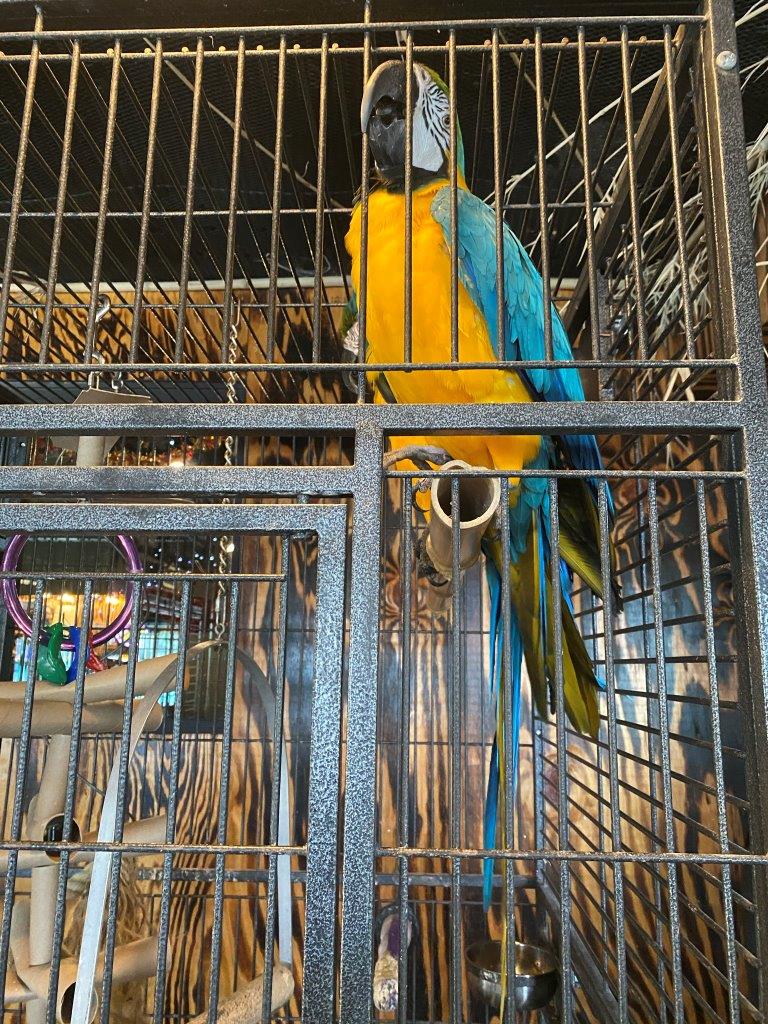
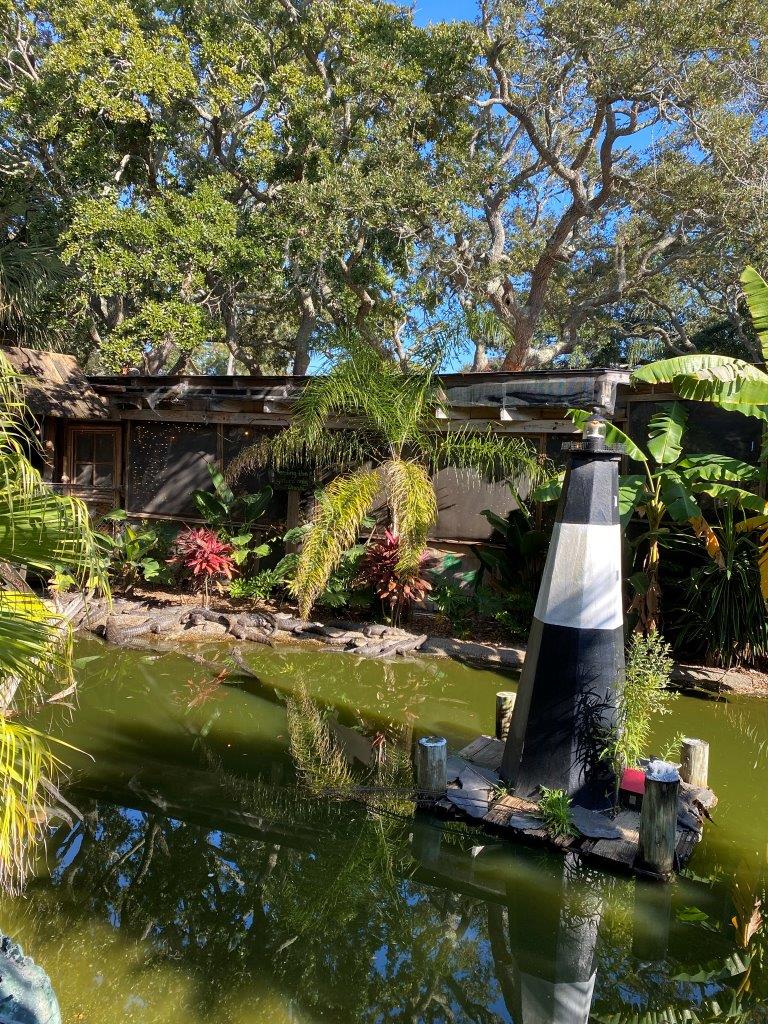
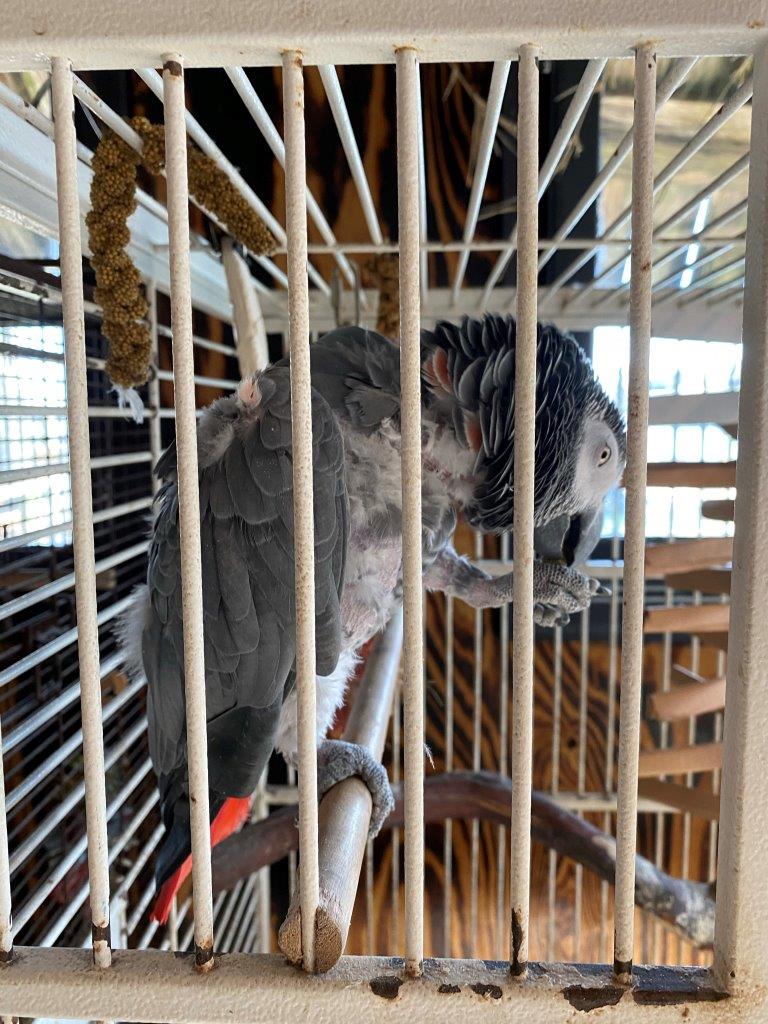
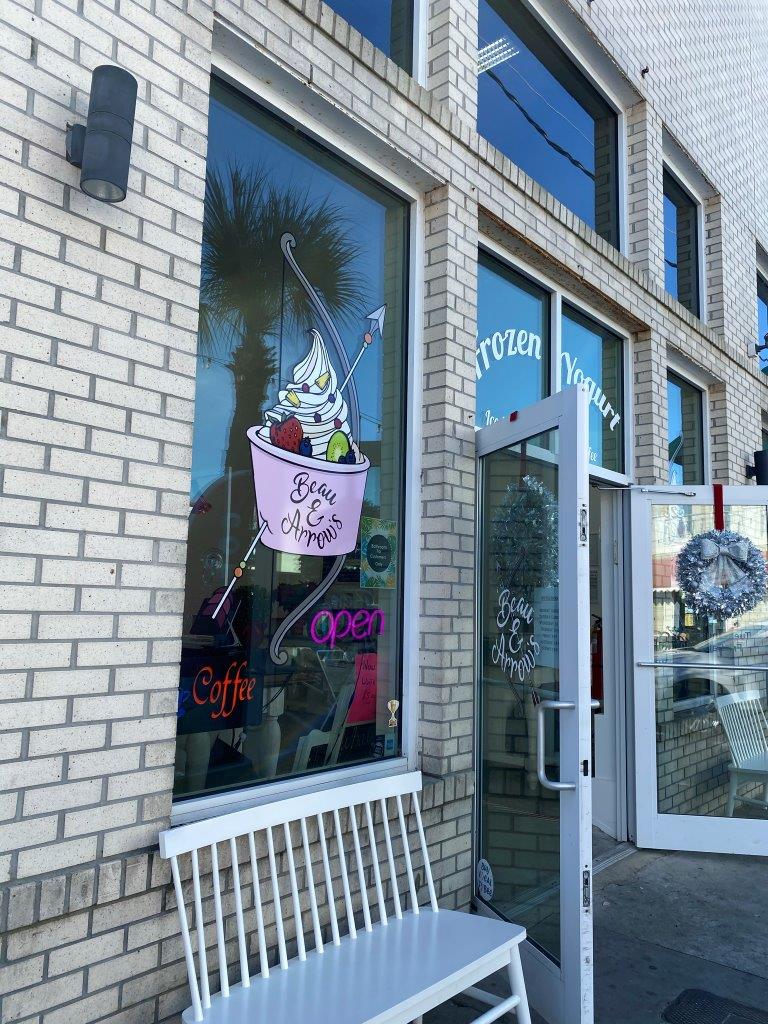
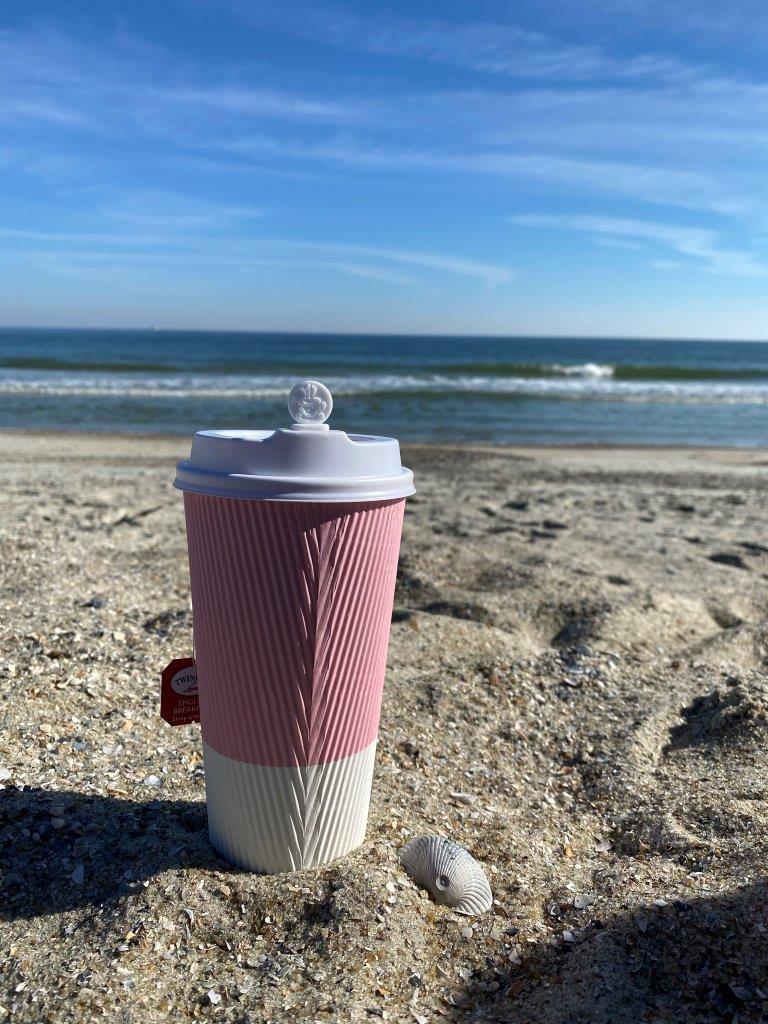
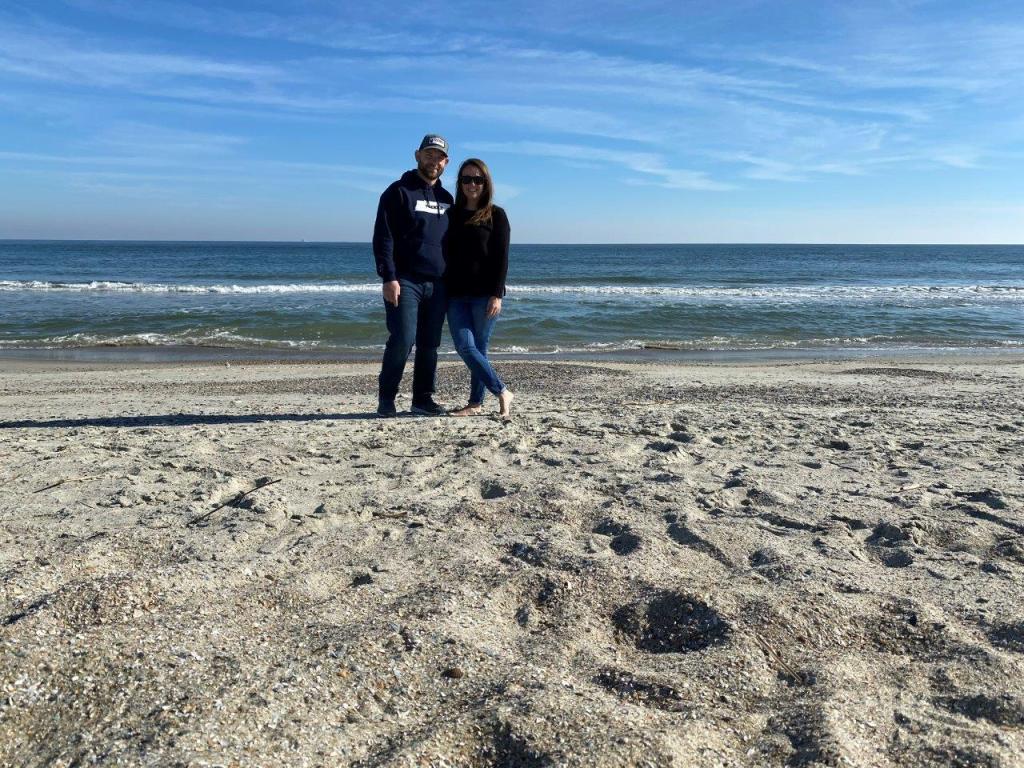
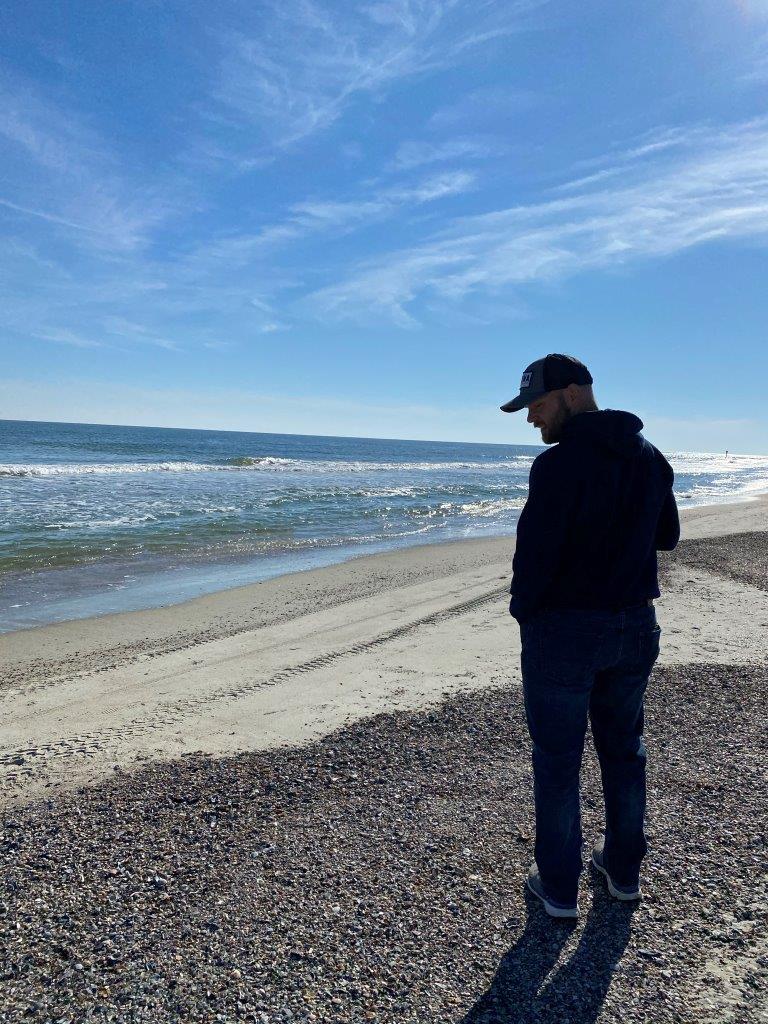
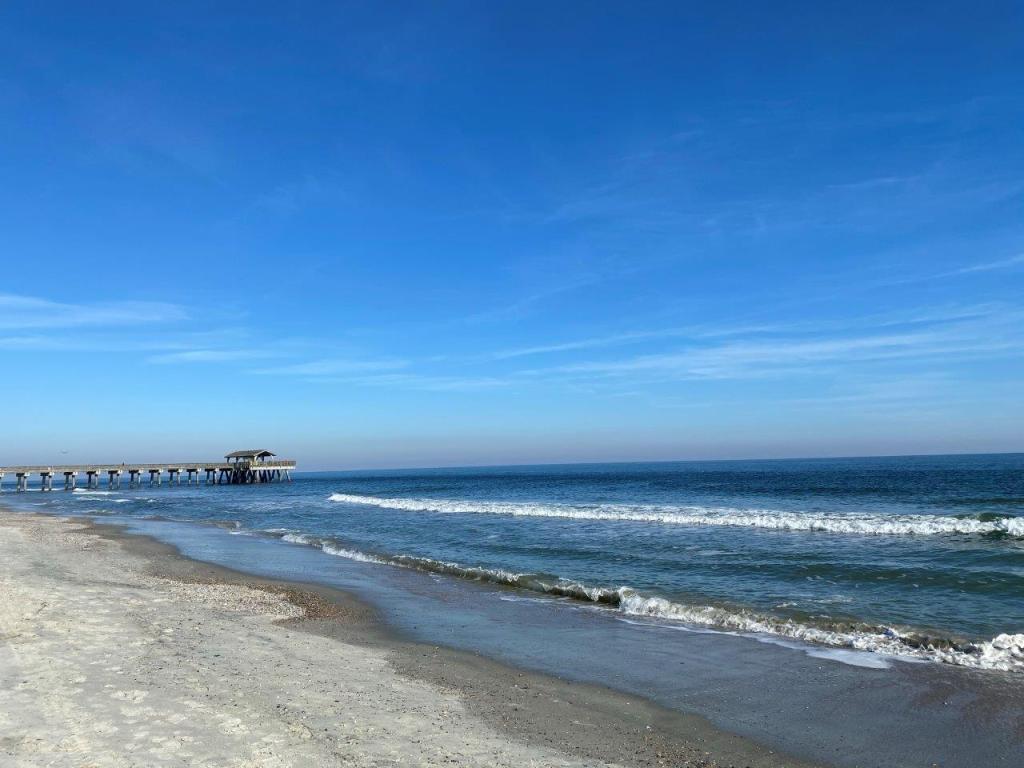
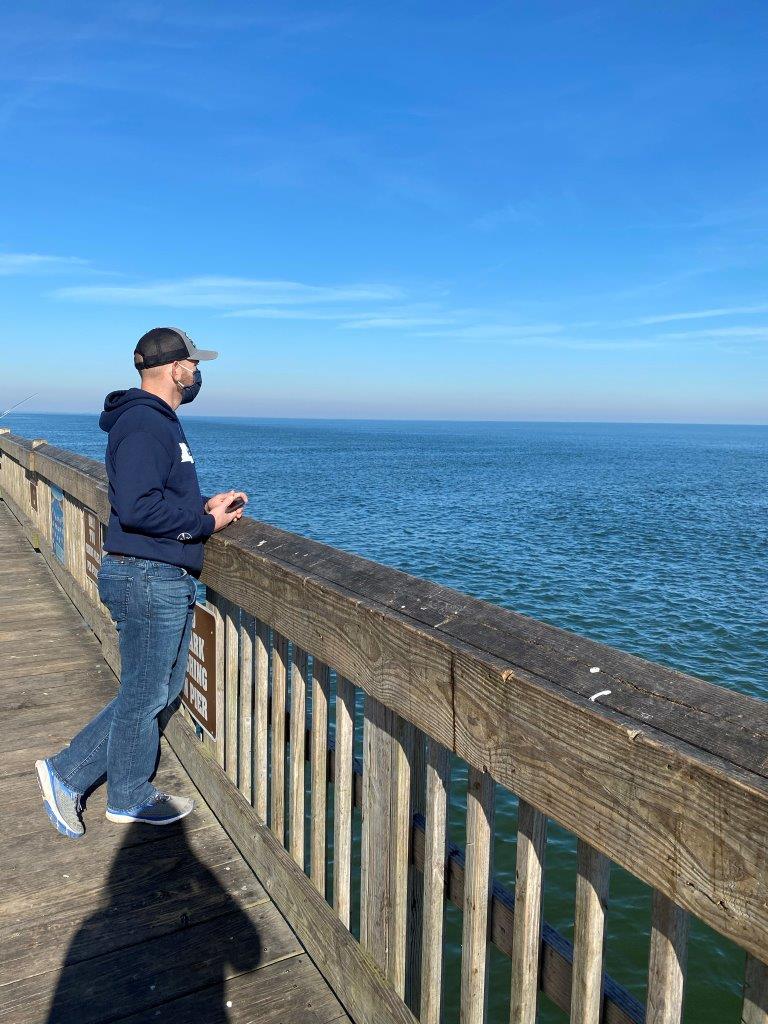
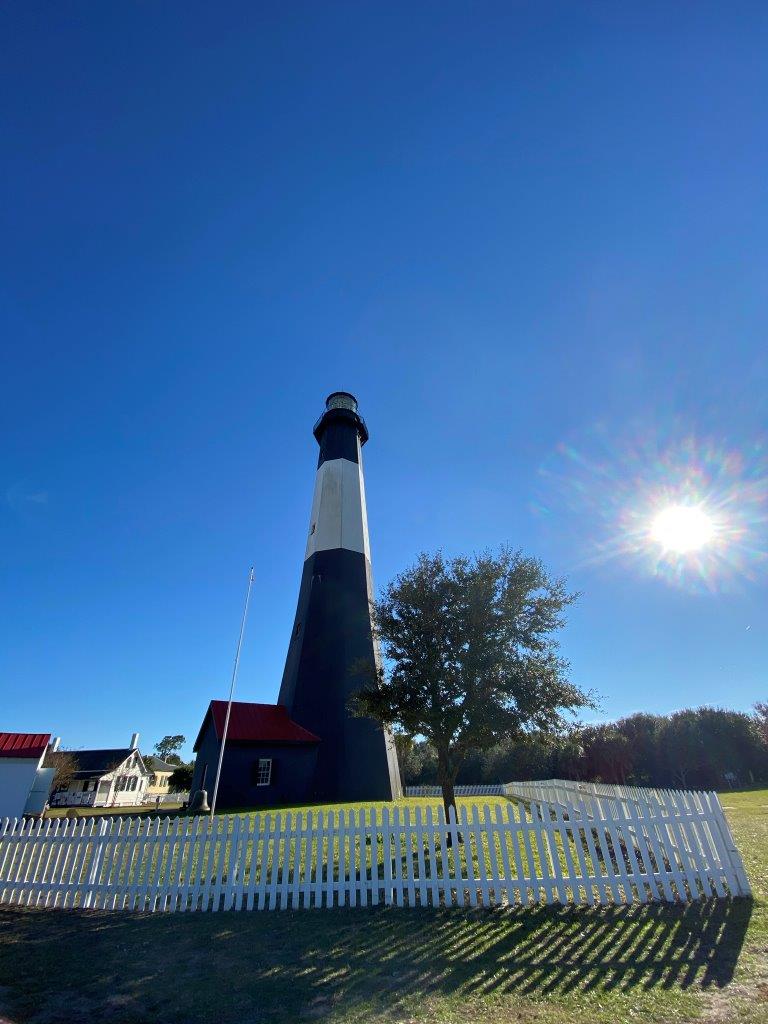
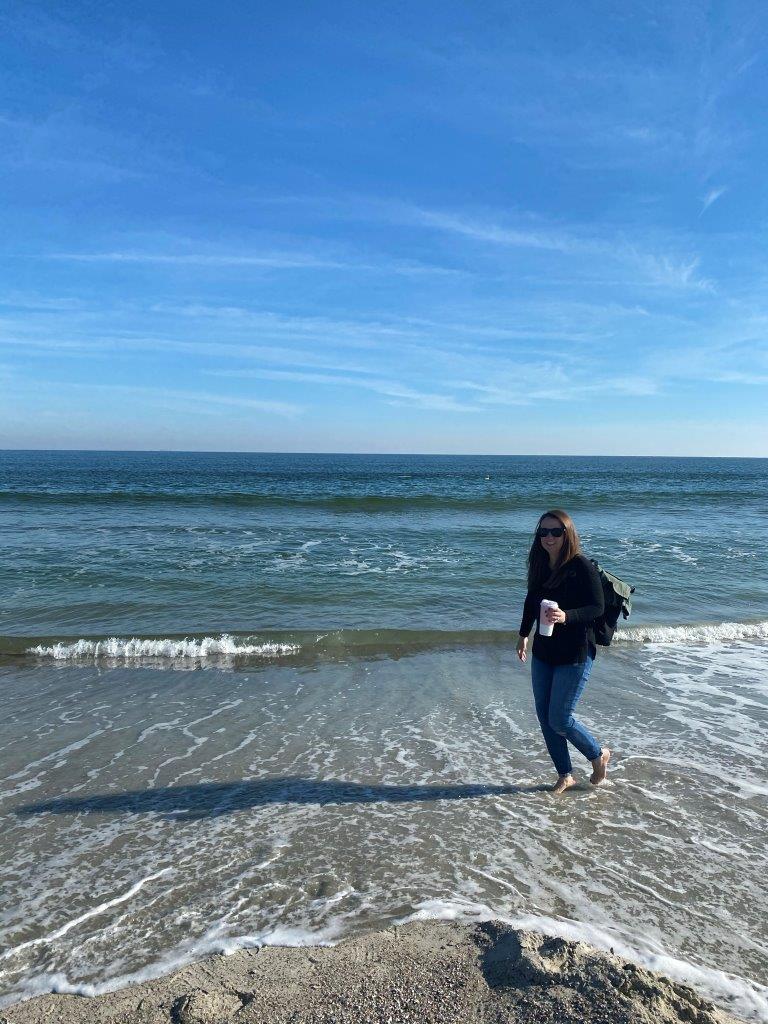
On Thursday, we drove to Tybee Island and had lunch at The Crab Shack. We check out their alligator pond and bird shack before driving to the beach. We grabbed some coffee and hot tea at Beau & Arrows before putting our feet in the sand for the rest of the afternoon.
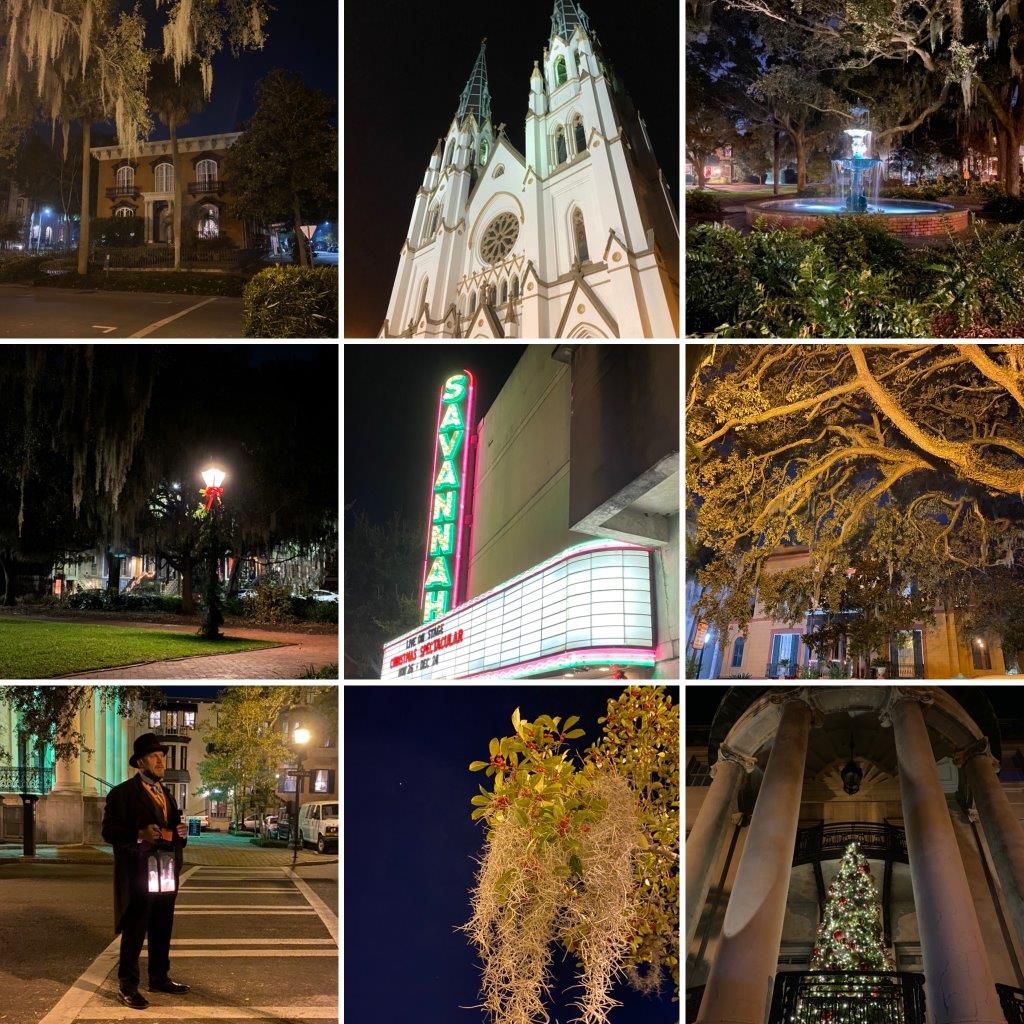
For our last night in Savannah, we went on a ghost tour with Dan of Savannah History & Haunts. He was fantastic in telling the history of the city built on its dead. We both enjoyed this tour and definitely recommend it if you want to learn the history of Savannah and the haunts that go along with it.
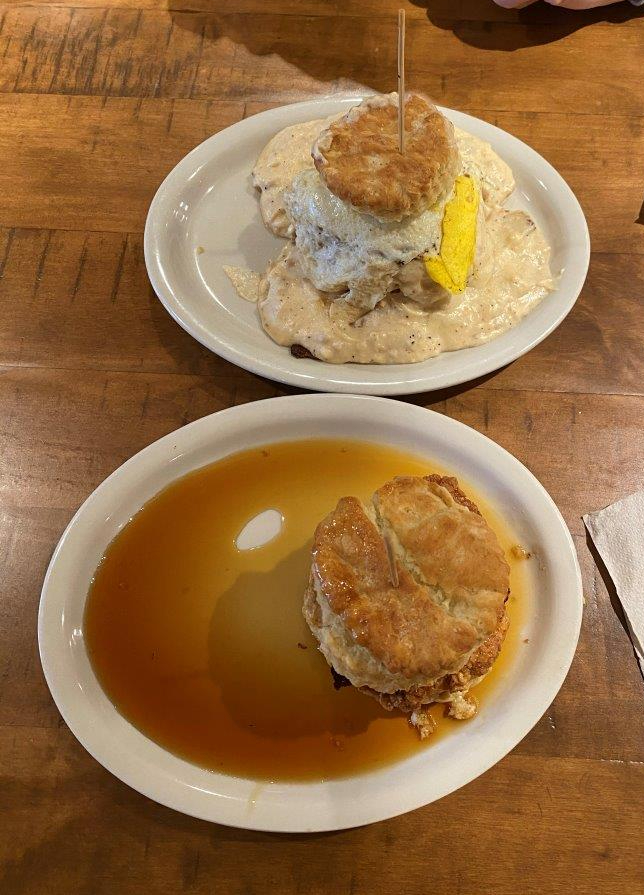
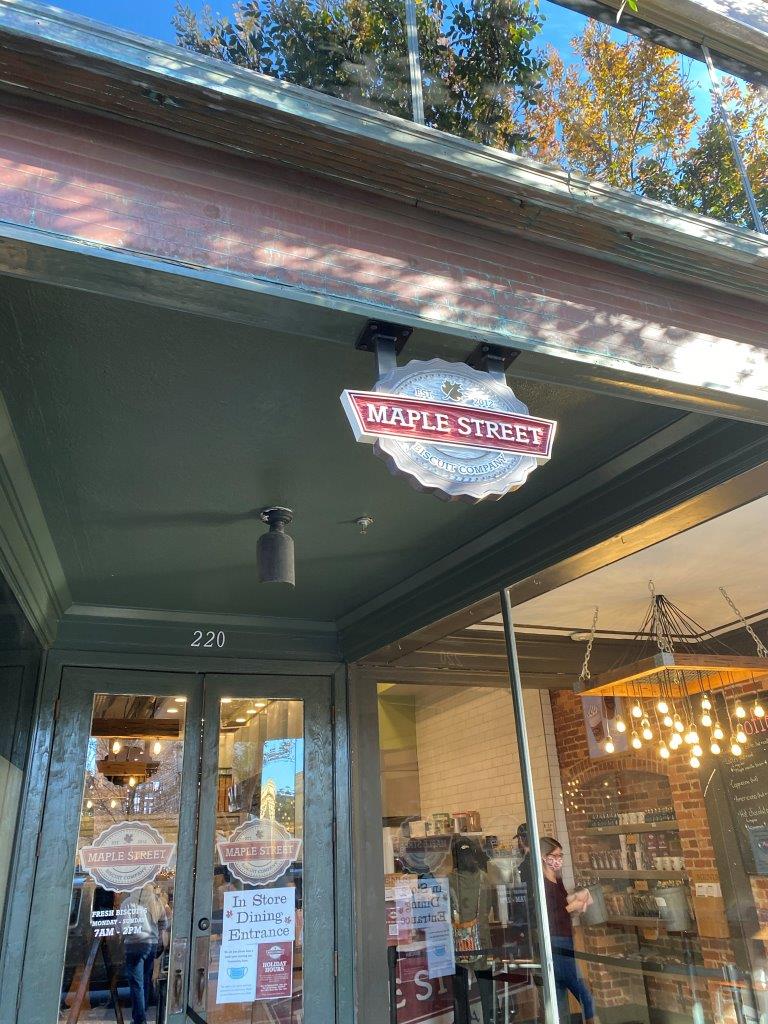
Friday morning we had breakfast at The Maple Biscuit Company before driving back to Charleston to catch our flight back home.
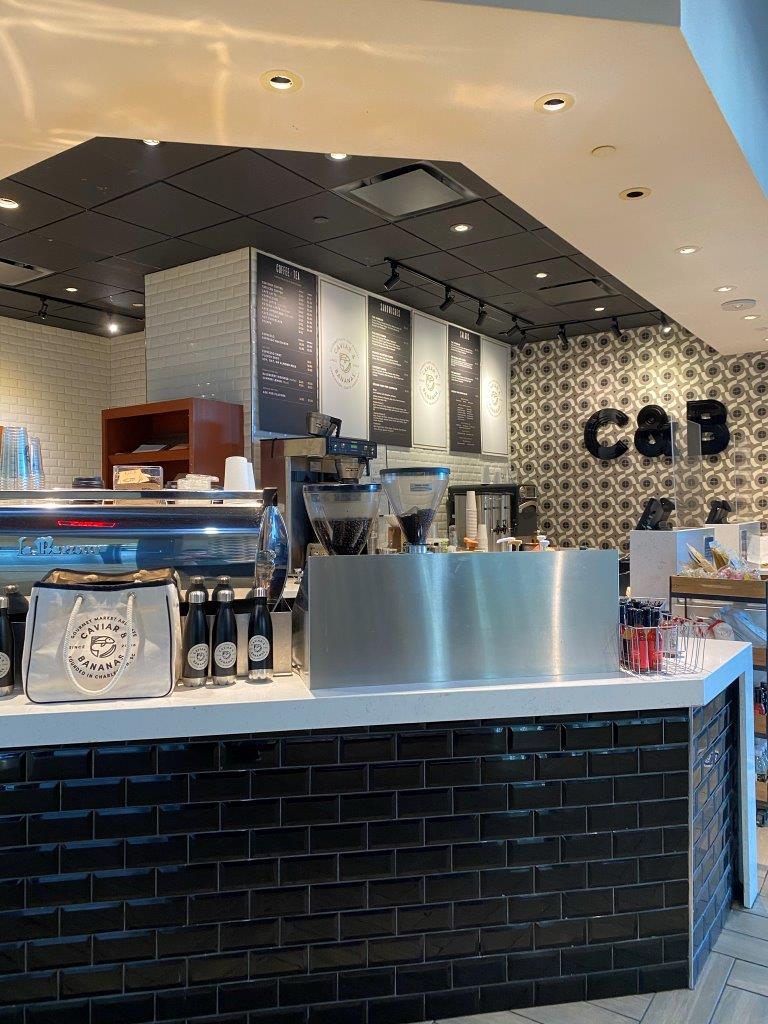
At the Charleston airport, I got the chance to try one more of the Charleston restaurants I didn’t get a chance to try while we were in the city, Caviar & Bananas. The sandwiches we had for lunch on the plane were delicious!
Neither Charleston nor Savannah disappointed and I’m sure we will be visiting again!
 So Many Places So Little Time